Bioengineering
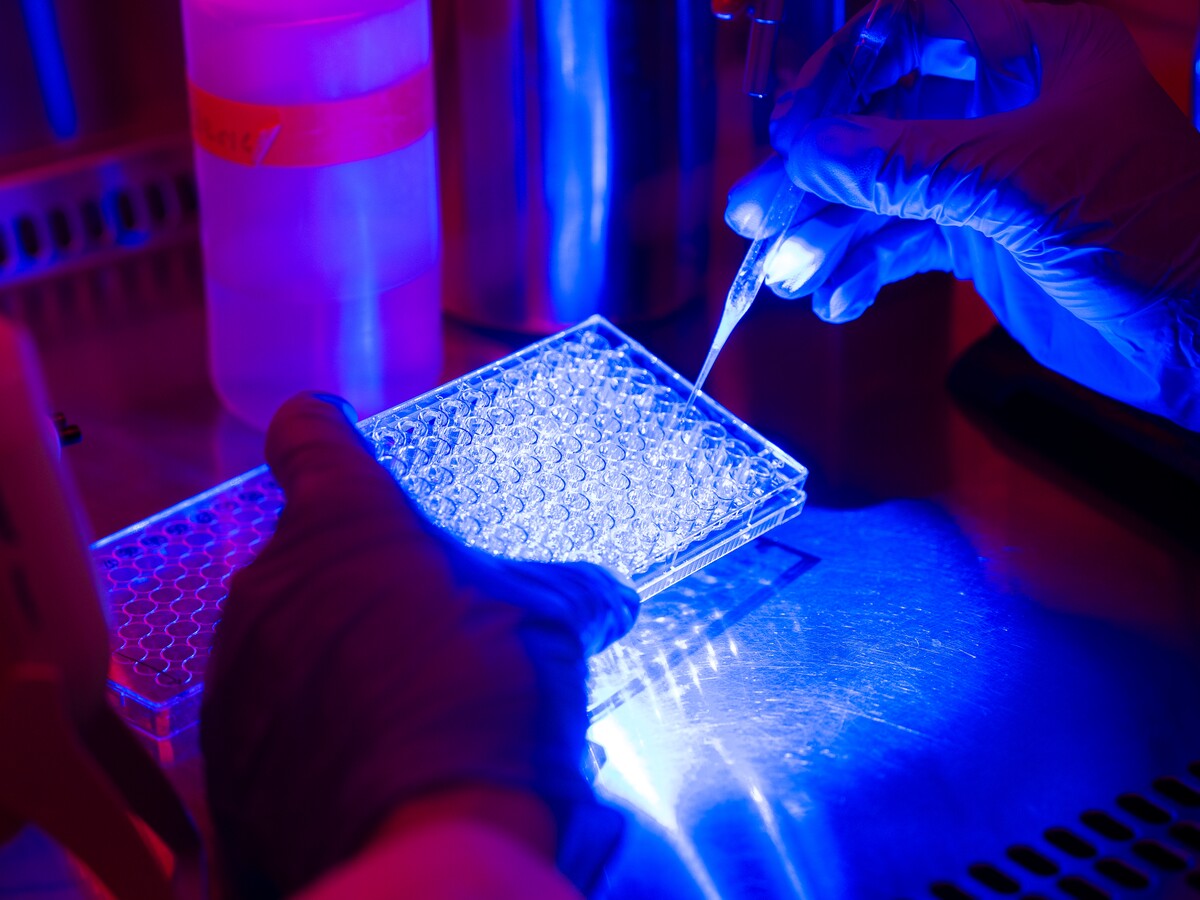
The Paul Dalton lab is transforming 3D tissue engineering with a microfiber scaffold that mimics the body’s natural cell-supporting matrix. Biomed startup VivoTex brings the development’s medical benefits to market.
More than 300 programs across nine schools and colleges. Find your path — from undergraduate degrees to advanced research.
Academics OverviewYour journey to the UO starts here. Submit an application, explore financial aid and scholarships, or schedule a campus visit.
Admissions OverviewLife at the UO is more than classes. It's community, culture, and the kind of experiences that shape who you become.
Student Life OverviewThe University of Oregon has a 150-year history of innovative research with outsized impact for society. We ask bold questions, then relentlessly pursue answers.
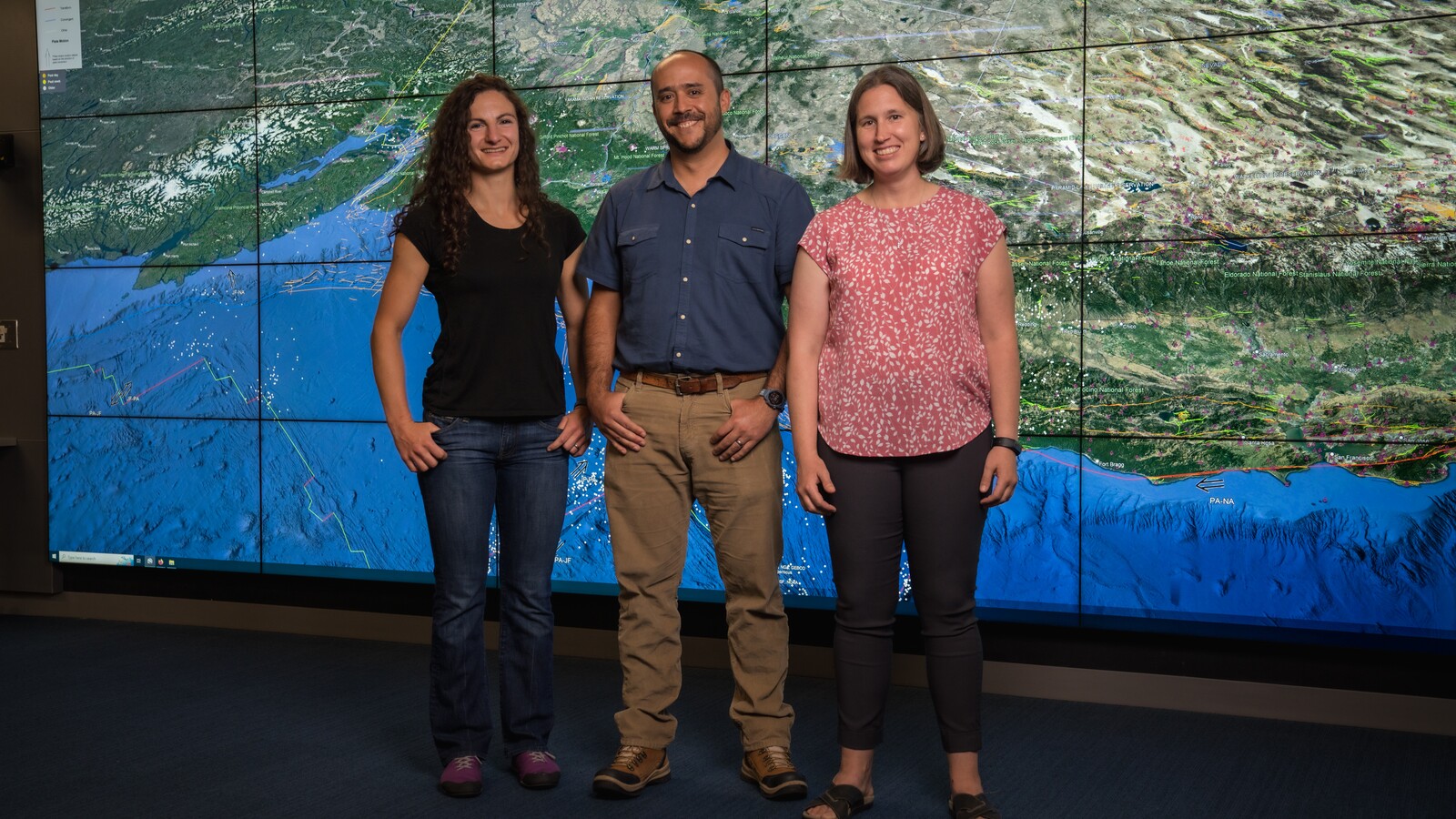
Catastrophic events such as earthquakes, floods, and fires are increasing in frequency and magnitude. How can we adapt? The UO advances new knowledge on resilience, including leading a $15 million National Science Foundation center that brings together U.S. researchers to study earthquake hazards in the Pacific Northwest. The goal: Help communities prepare.
Seismic monitoring. Sustainable building design. Tissue engineering. In the lab and in the field, the UO takes on challenges both local and global. We make meaning through scholarship and creative practice that help us understand our changing society.
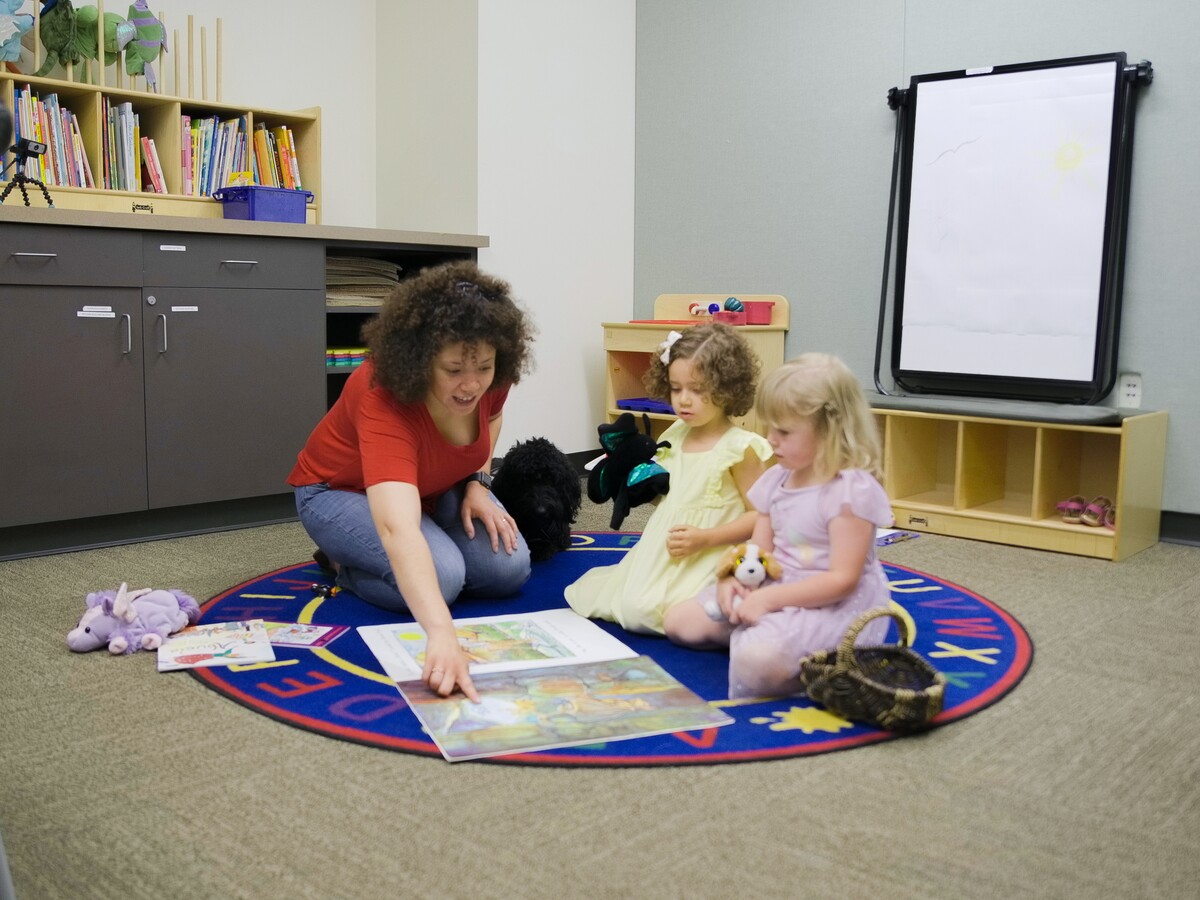
While University of Oregon research areas are broad, we strategically focus on four key impact areas—including prevention science and behavioral health, where the UO is a national leader.

Oregon’s research centers and institutes support a collaborative research community engaged in a broad range of investigative activity, from humanities and quantum science to neuroscience to education.
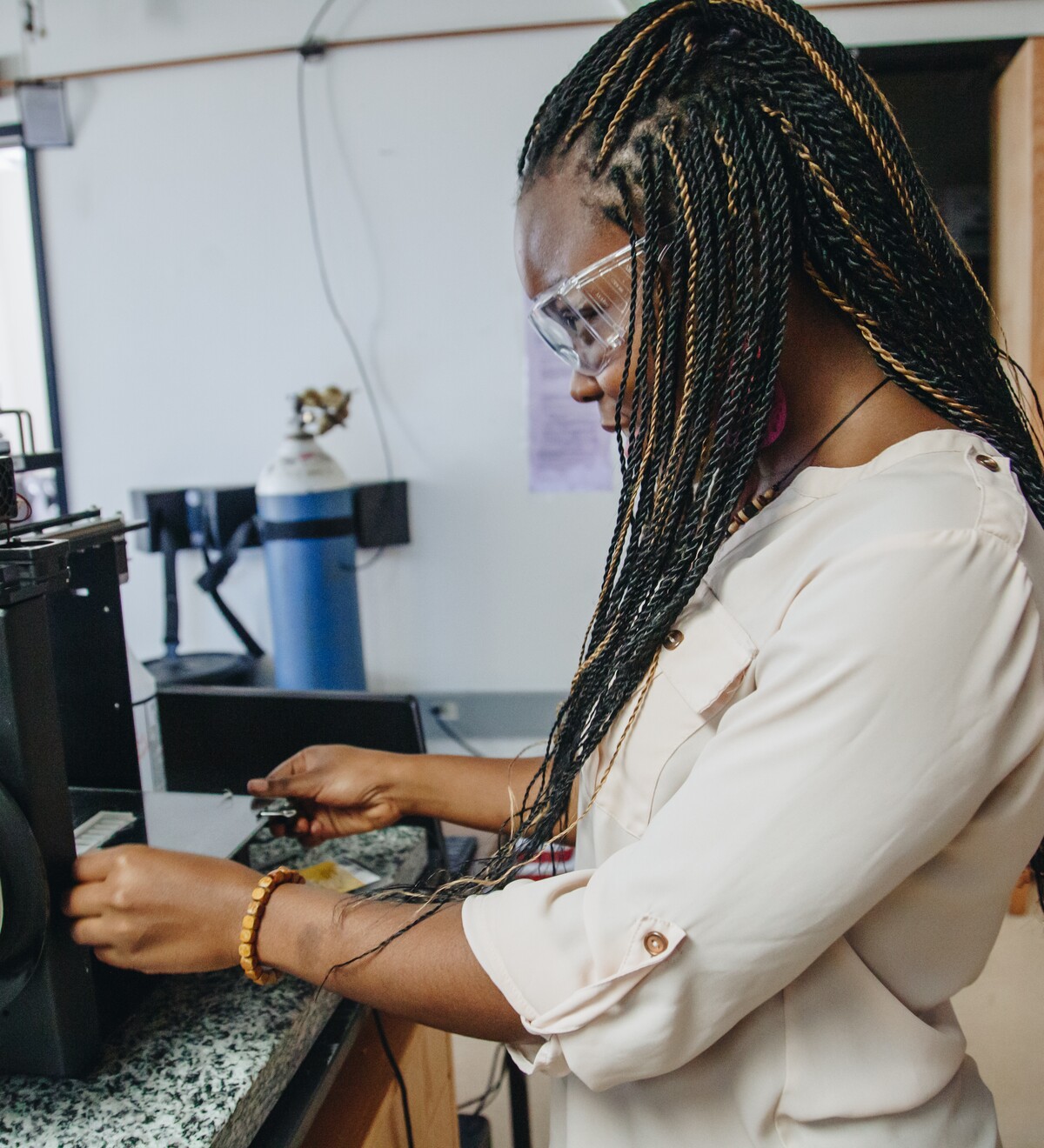
Participating in research is vital to the Oregon undergraduate experience. Working alongside mentors, students help advance science while gaining research experience and clarifying their academic and professional goals.
University of Oregon researchers think big and go for it, with institutional support from the start. Across disciplines, the university has a track record of driving discovery and breakthroughs.
The Paul Dalton lab is transforming 3D tissue engineering with a microfiber scaffold that mimics the body’s natural cell-supporting matrix. Biomed startup VivoTex brings the development’s medical benefits to market.
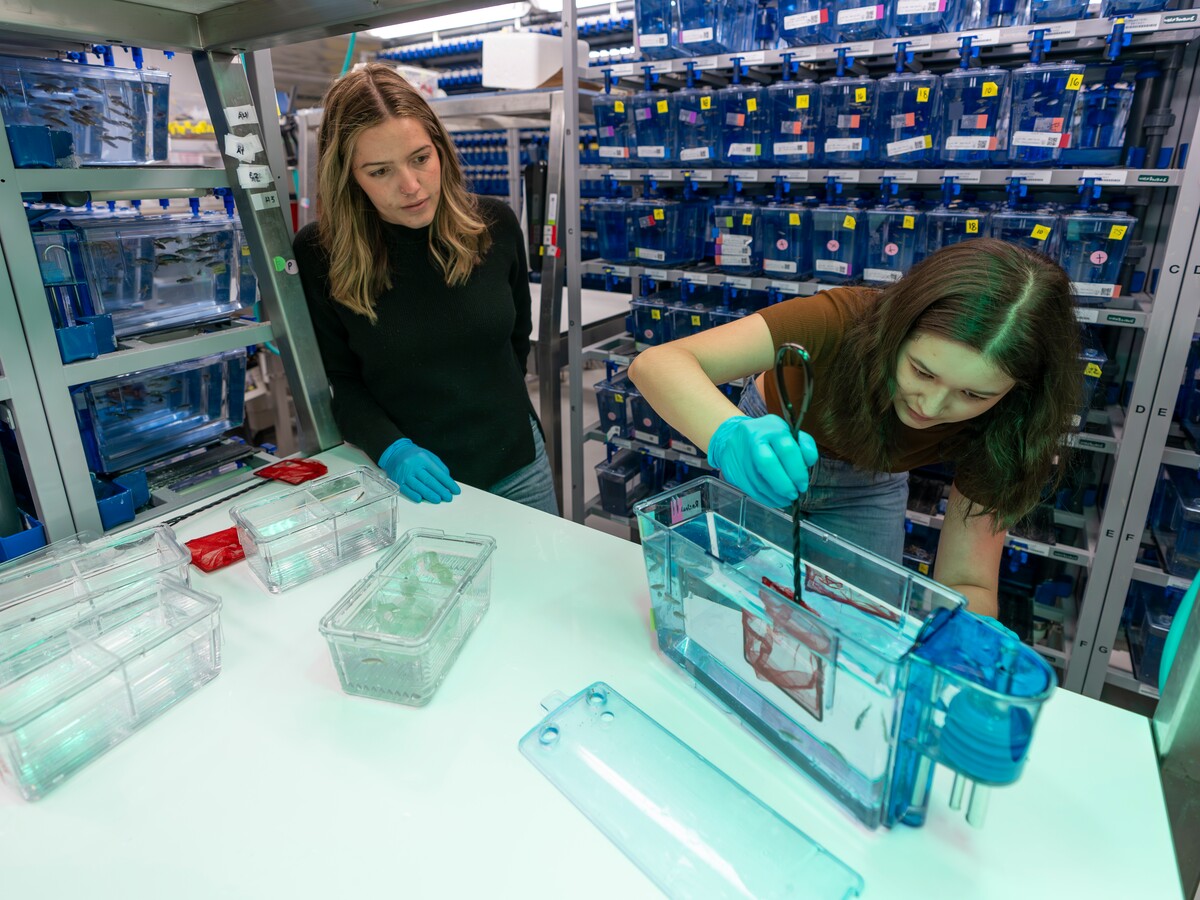
Four UO research labs are exploring how gut microbes affect social behavior and brain development in zebrafish—work that could yield insights into human disorders.

UO researchers work with Indigenous and rural communities in Oregon to find ways of reducing climate-changing carbon in the atmosphere in ways that build trust with historically marginalized groups.
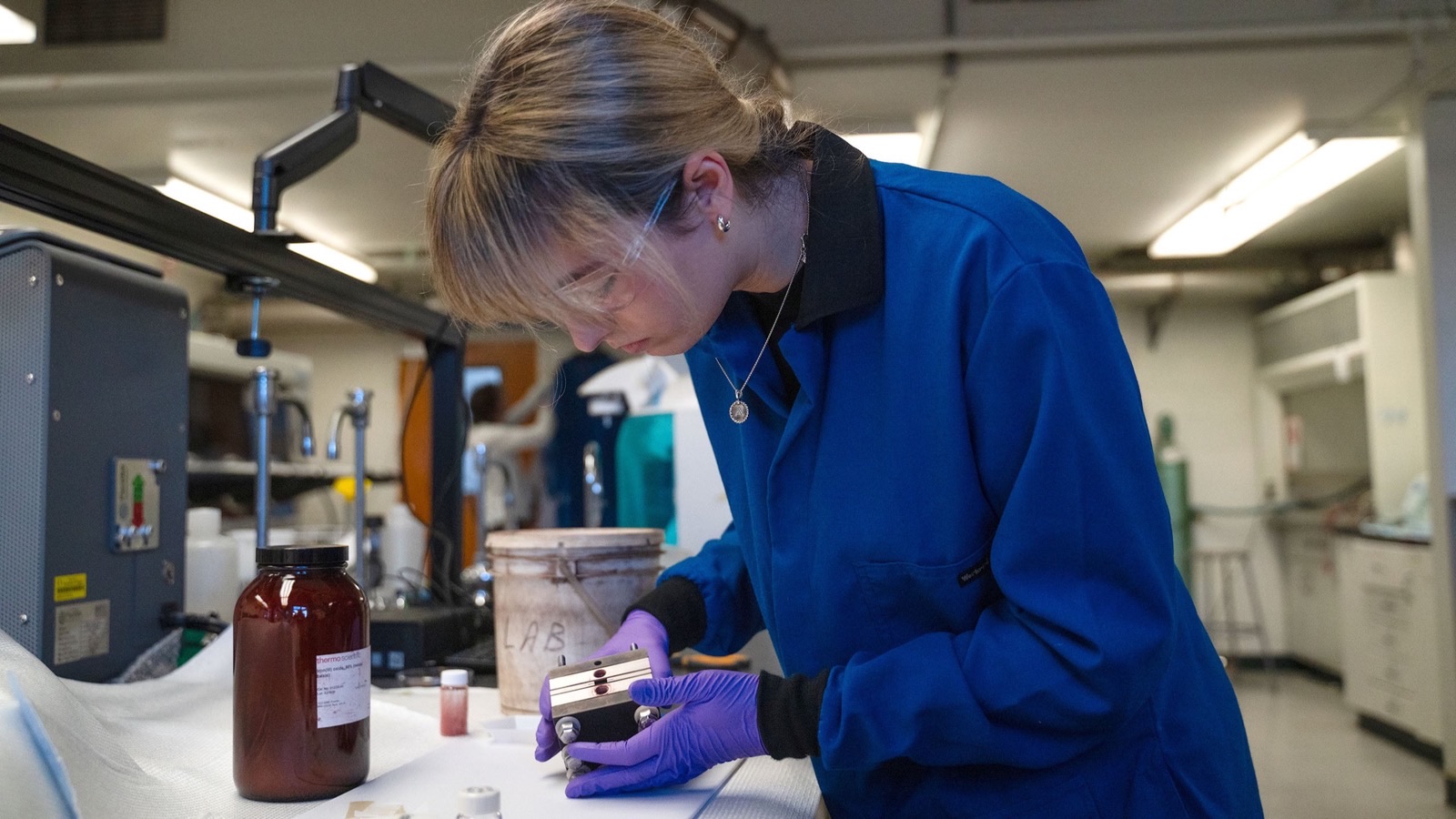
Chemist Paul Kempler and his team have discovered a way to create iron without burning fossil fuels. Their chemical breakthrough holds huge promise for shrinking the steel industry’s carbon footprint.

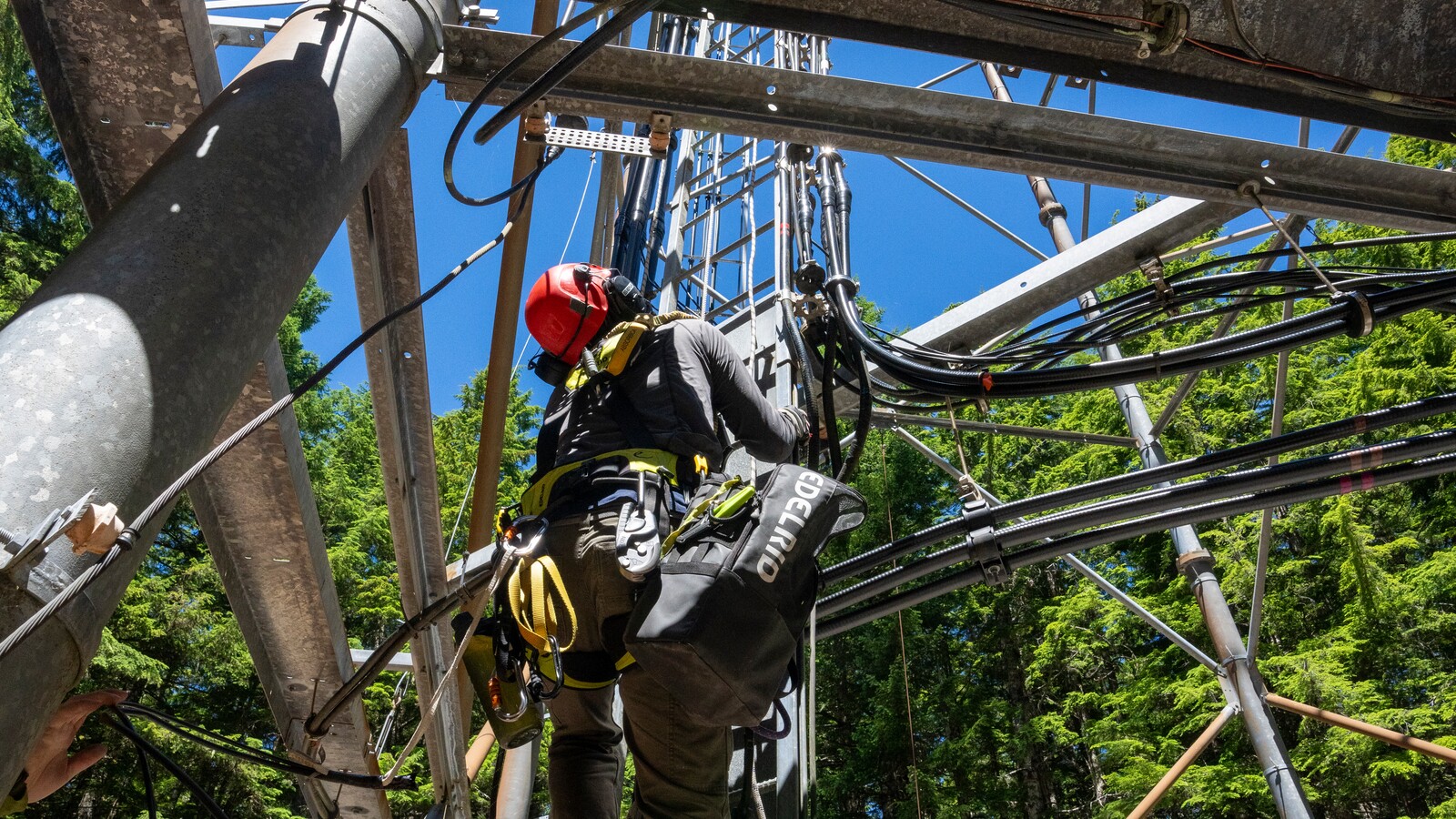
Oregon is one of six sites speeding the development of quantum technologies. Ingenious technical feats by Nik Zhelev and team are working to freeze frame quantum objects, or qubits, opening the door for fresh discovery.
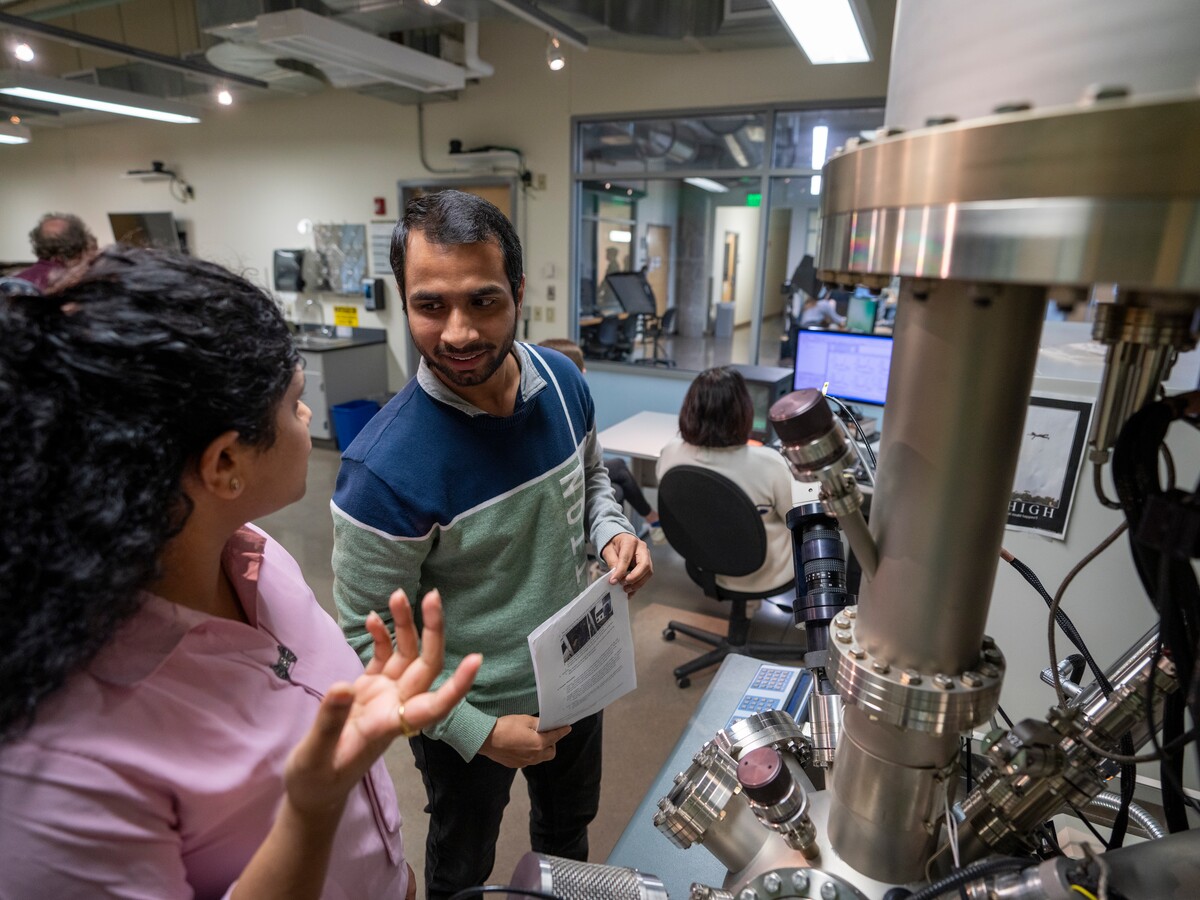
Cutting-edge facilities and tools help power UO research—including a scanning transmission electron microscope that lets biologists at the Center for Advanced Materials Characterization explore at the atomic scale.
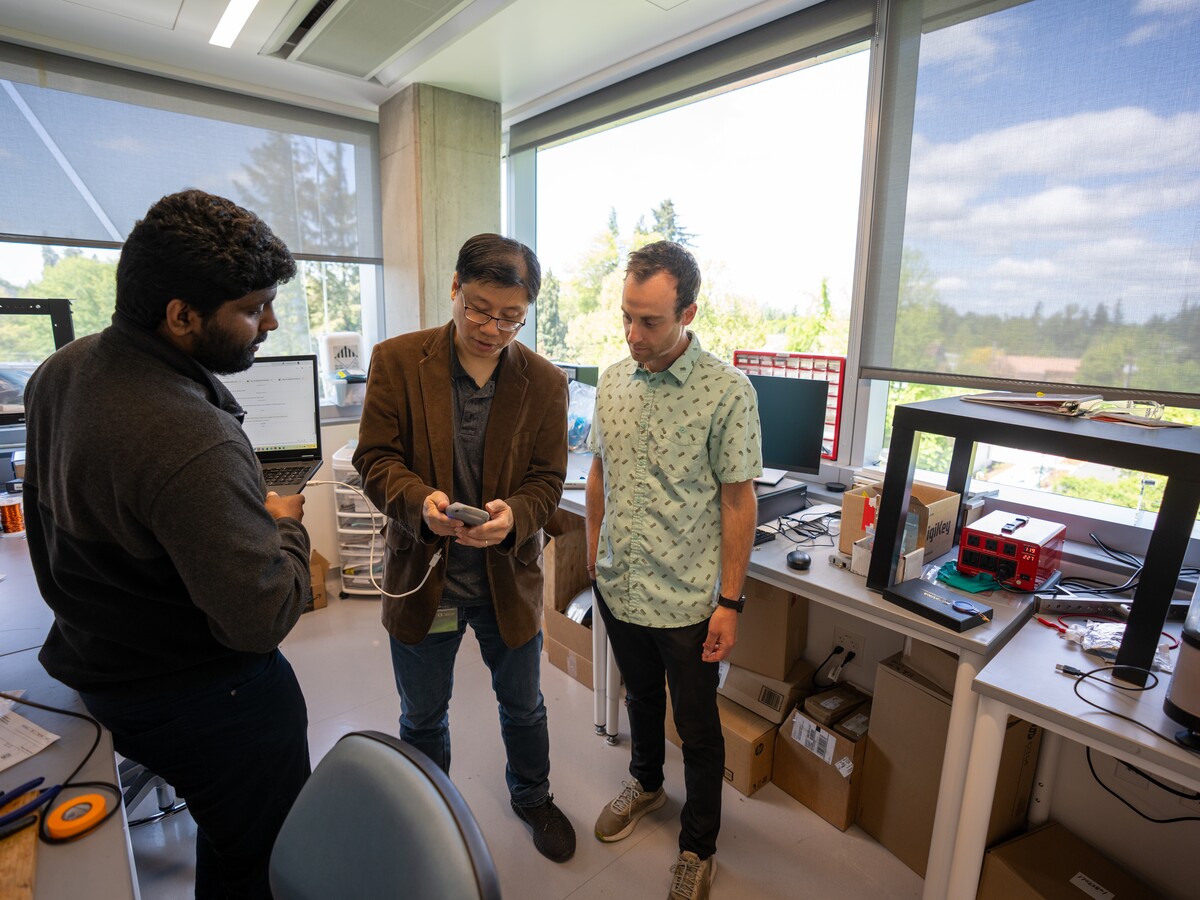
Your vision, Oregon’s expertise. Learn how your business, lab, or organization can tap into the UO’s research talent and facilities to bring big ideas to life.
The UO has created a fully supported pathway to help faculty navigate research projects—from funding, planning, and managing, to launching a start-up.
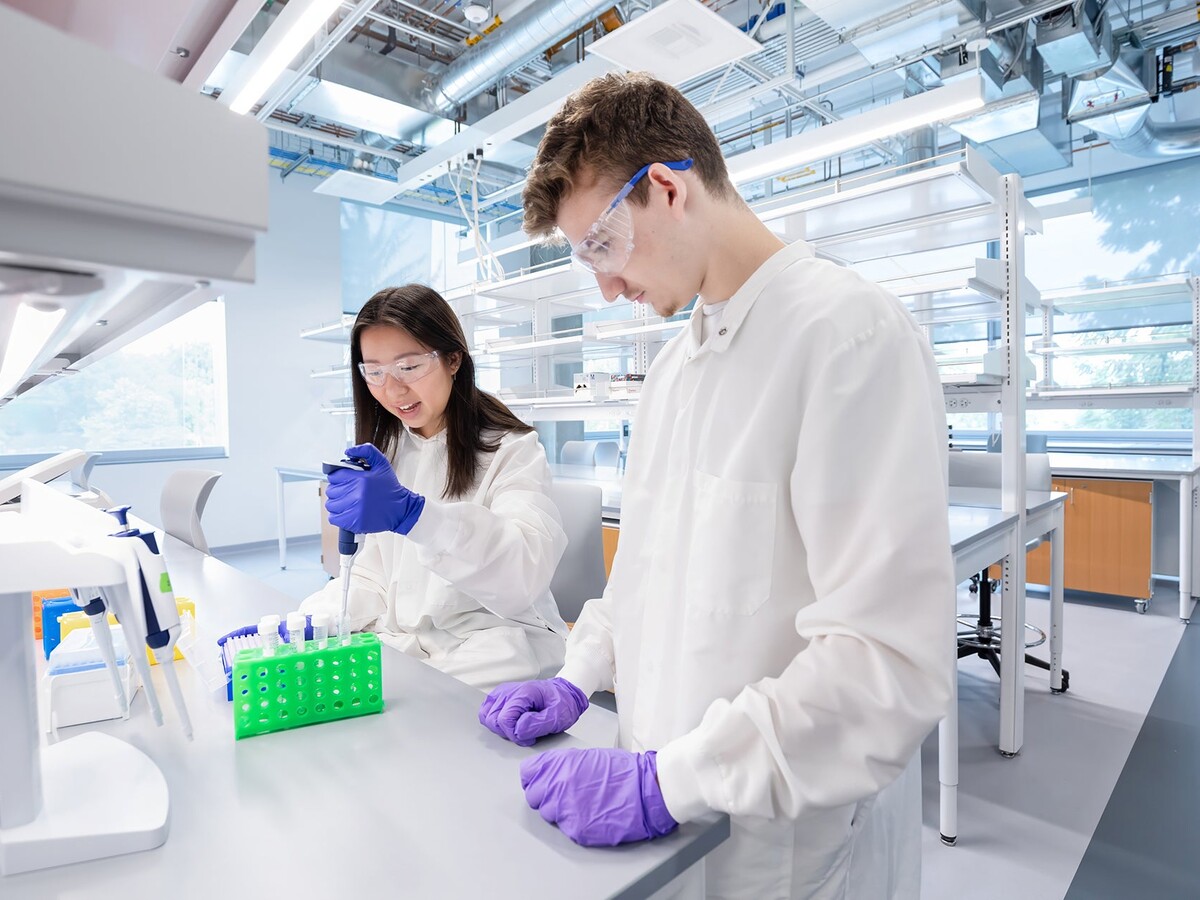
Oregon supports entrepreneurs throughout their project timeline, including securing funding, ensuring compliance, and building partnerships.