Education
1996
Ph.D.
Cultural
Anthropology,
UC
Santa
Barbara.
1991
M.A.
Cultural Anthropology, UC Santa Barbara.
1985-86 Grad.
Program, Psychology, U. of Illinois
Urbana/Champaign.
1985
B.A.
Psychology, UC Santa Barbara.
1980-85
Undergraduate Education, San Diego State
University.
Areas of Interest
I am interested in the evolution of human psychology and life history, and their impact on human behavior, health, and culture, broadly construed.Evolutionary psychology: Psychological adaptations for cooperation, exchange, social niche creation, attractiveness assessment, parental and alloparental investment, and health risk buffering.
Human
behavioral ecology/Human biology: Evolution of life history
traits and
tradeoffs, and the
effects
of ecological and inter-personal variation on life history and health
outcomes.
Cultural Anthropology: Effects of market integration on Shuar economy, social relations, and health; Evoked culture; use and function of art and narrative, and the cognitive mechanisms that underlie them.
Research Approach and Background
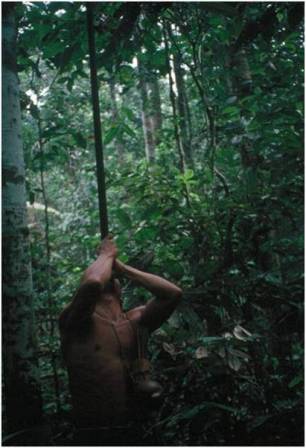
My work lies at the intesection of cultural and biological anthropology, cognitive psychology and evolutionary biology. I address questions about the evolution of the information processing functions of the human mind and their effects upon behavior, health, and culture. This work involves: (1) gaining insights into critical human adaptive problems by working with people living in small-scale, natural fertility, forager-horticultural groups; (2) working out hypotheses about how our psychology evolved to solve these problems; (3) testing hypotheses about specific aspects of our evolved psychology via cross-cultural psychological experiments, direct behavioral observation, interview techniques and physiological measures, and; (4) documenting how these psychological adaptations or their byproducts lead to both similar and different behaviors and cultural phenomena in response to differing local conditions.
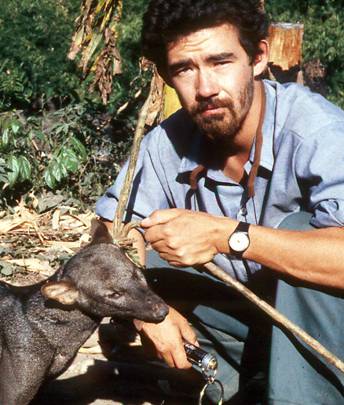
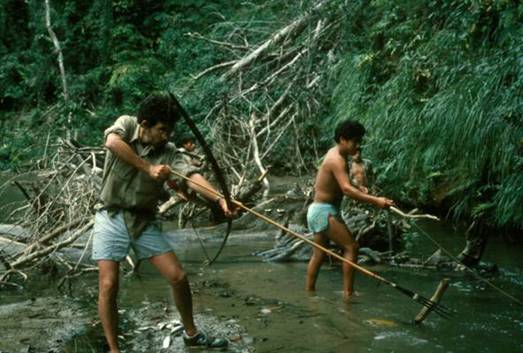
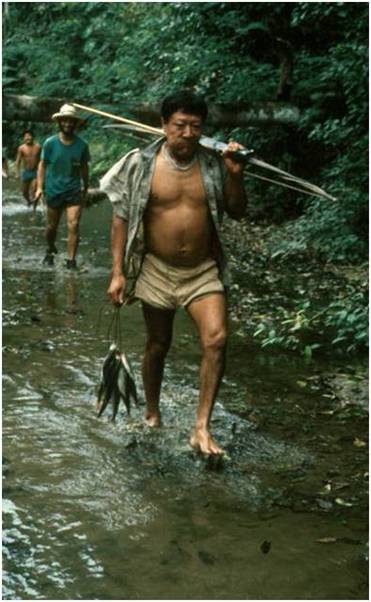
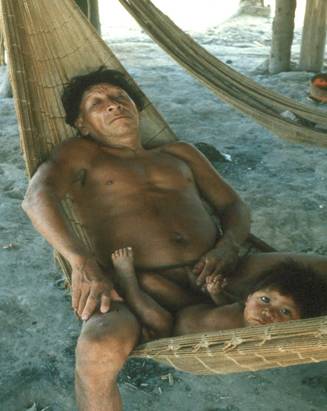
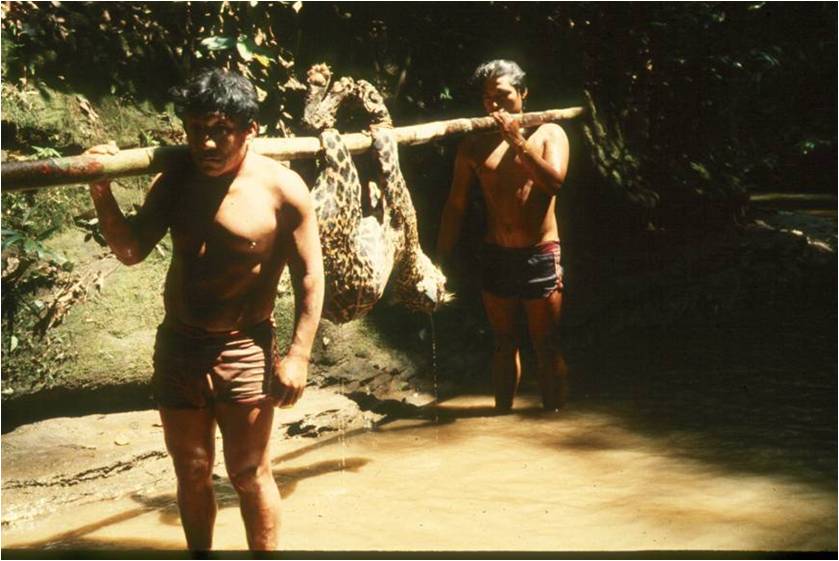
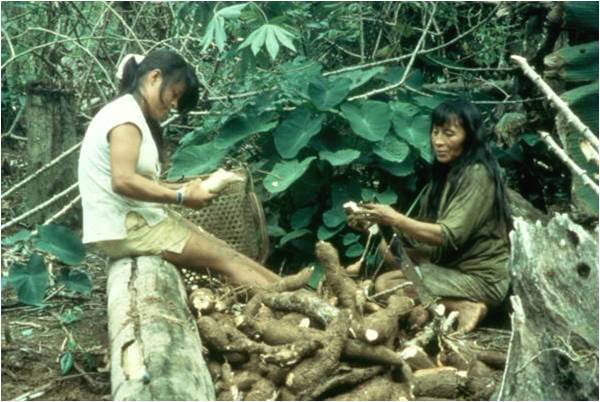
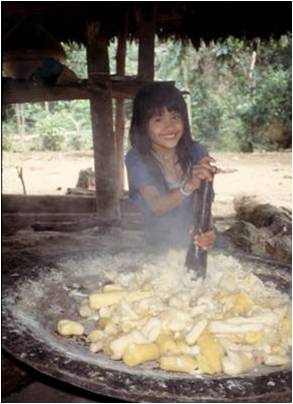
Since 1993, I have conducted
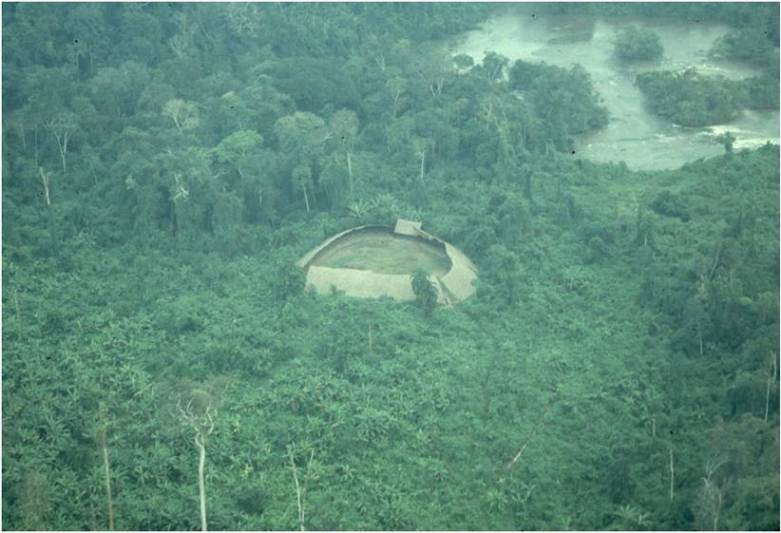
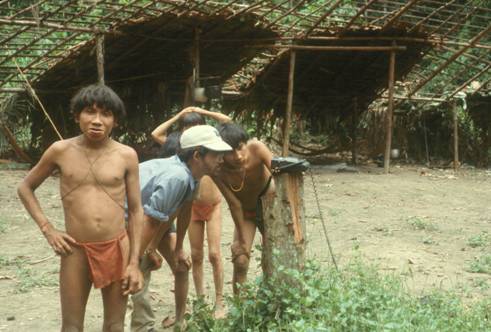
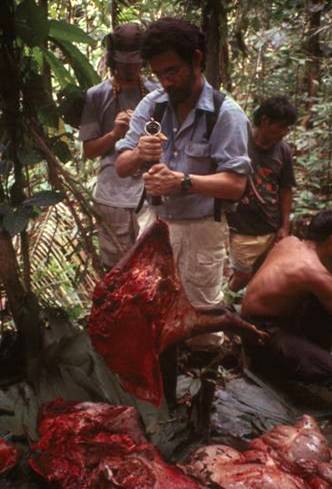
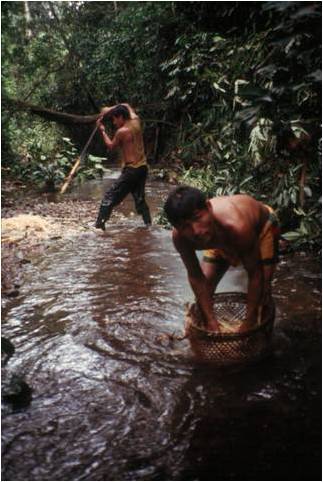
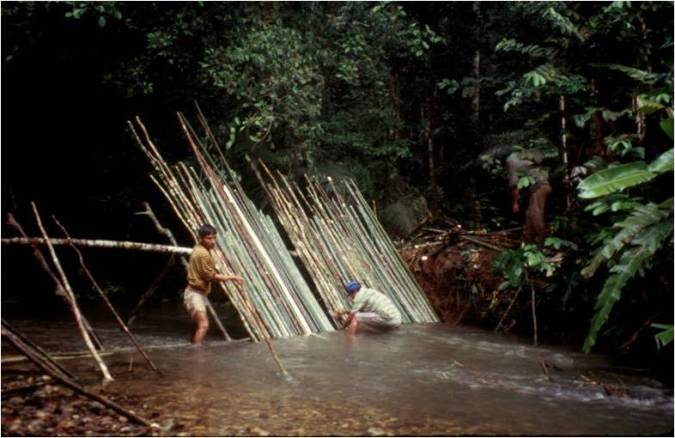
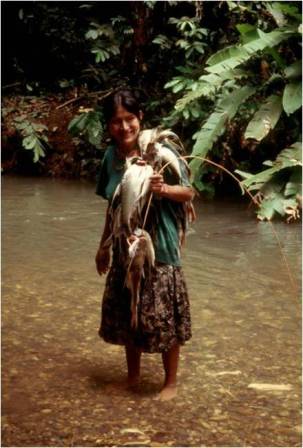
fieldwork among Shiwiar, Achuar, Shuar
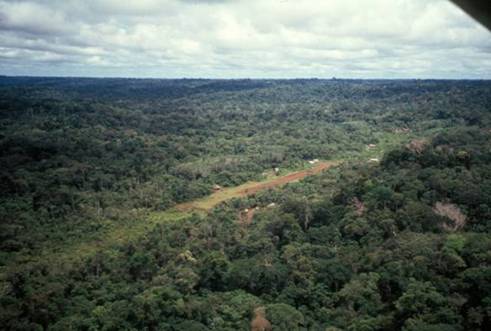
and Zaparo forager-horticulturalist groups of Ecuadorian Amazonia.
Previously I worked with the Yora of Peru and the Yanomamö of
Venezuela. I am founder Shuar Health and Life
History Project which I now Co-Direct with Josh Snodgrass, and
an Co-Director (with Clark Barrett) of Field Research for the
Human Universals Project at the Center for Evolutionary
Psychology at
the University of California, Santa Barbara. I am Co-PI on the NSF funded Spatial Cognition and Navigation (SCAN) project, designed to test hypotheses for sex differences in spatial abilities by testing these across a sample of small scale societies. I also collaborate with
Michelle Scalise Sugiyama on the Cognitive
Cultural Studies Project.
My work on cooperation, social exchange, apparent altruism, health risk, life history, and evolution of attractiveness assessment have appeared in Proceedings of the National Academy of Sciences, Evolution and Human Behavior, Human Nature, American Journal of Physical Anthropology, American Journal of Human Biology, Research in Economic Anthropology and the Handbook of Evolutionary Psychology. For more on my research findings, click on the Research links above, or the Center for Evolutionary Psychology, and Institute for Cognitive and Decision Sciences links.
Current Research Projects
My
current
research includes four
collaborative projects:
1) The
Shuar
Health and Life
History Project; 2) The Human
Universals Project; 3) The Evolution of Human
Attractiveness Project, and; 4) the Cognitive Cultural Studies Project and 5) The Spatial Cognition and Navigation (SCAN) Project.