Industrial Modernization, or Industrial Revolutions =
Prelude, Three Phases and a Taxonomy
© 2010 KIMBALL FILES

Phases =
0. Prelude, "Agricultural
revolution" or transformation of pre-modern village life
A. English inclosures
[MAP]
B. French Revolution and general European "de-feudalization"
C. USA farms
D. Stalinist "collectivization"
E. Chinese Communist "Great Leap Forward"
1. The
mechanized and steam-powered phase, or the "first industrial revolution" (1750s-1880s)
Two forces that combined
to create the political economies of modern European nation-states
According to historian Charles Tilly
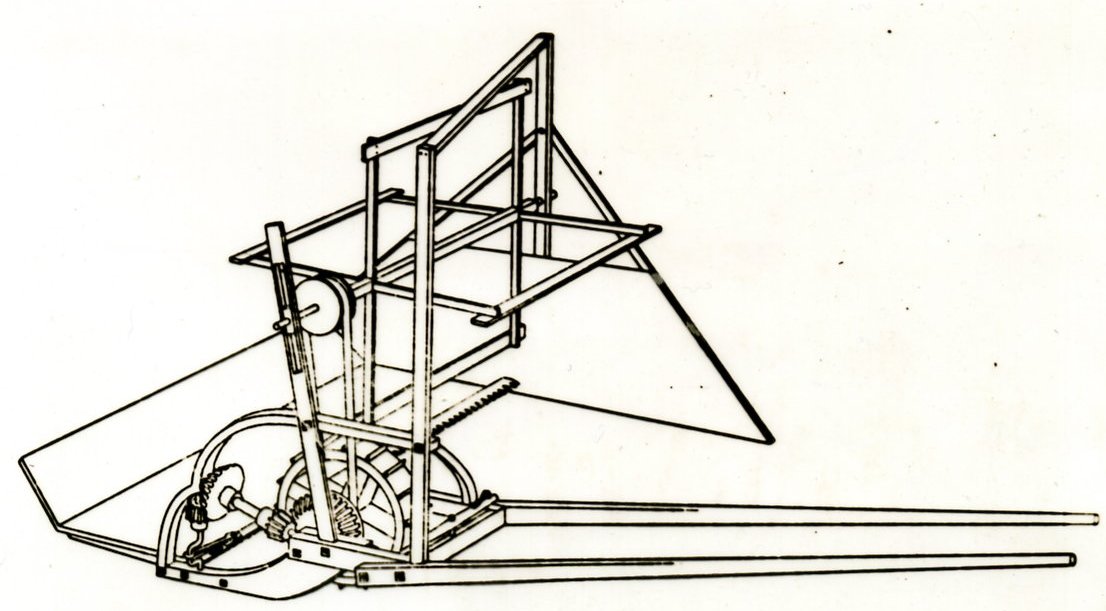
1834:USA | McCormick Reaper, pulled by horse with operator ("farmer") walking on
side with clutch lever
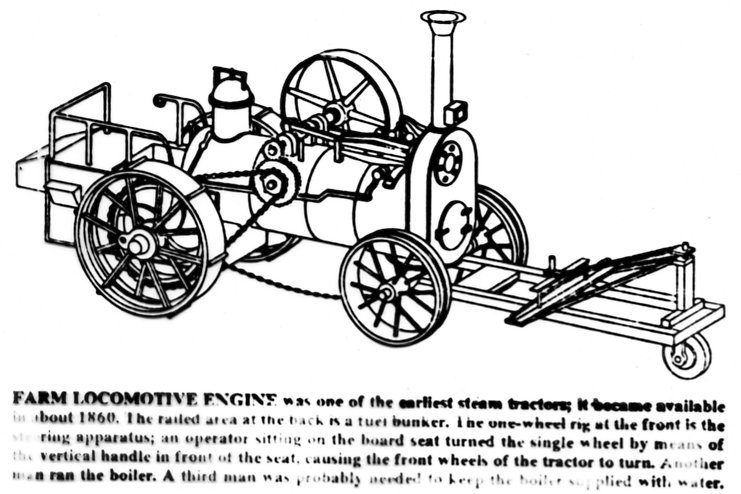
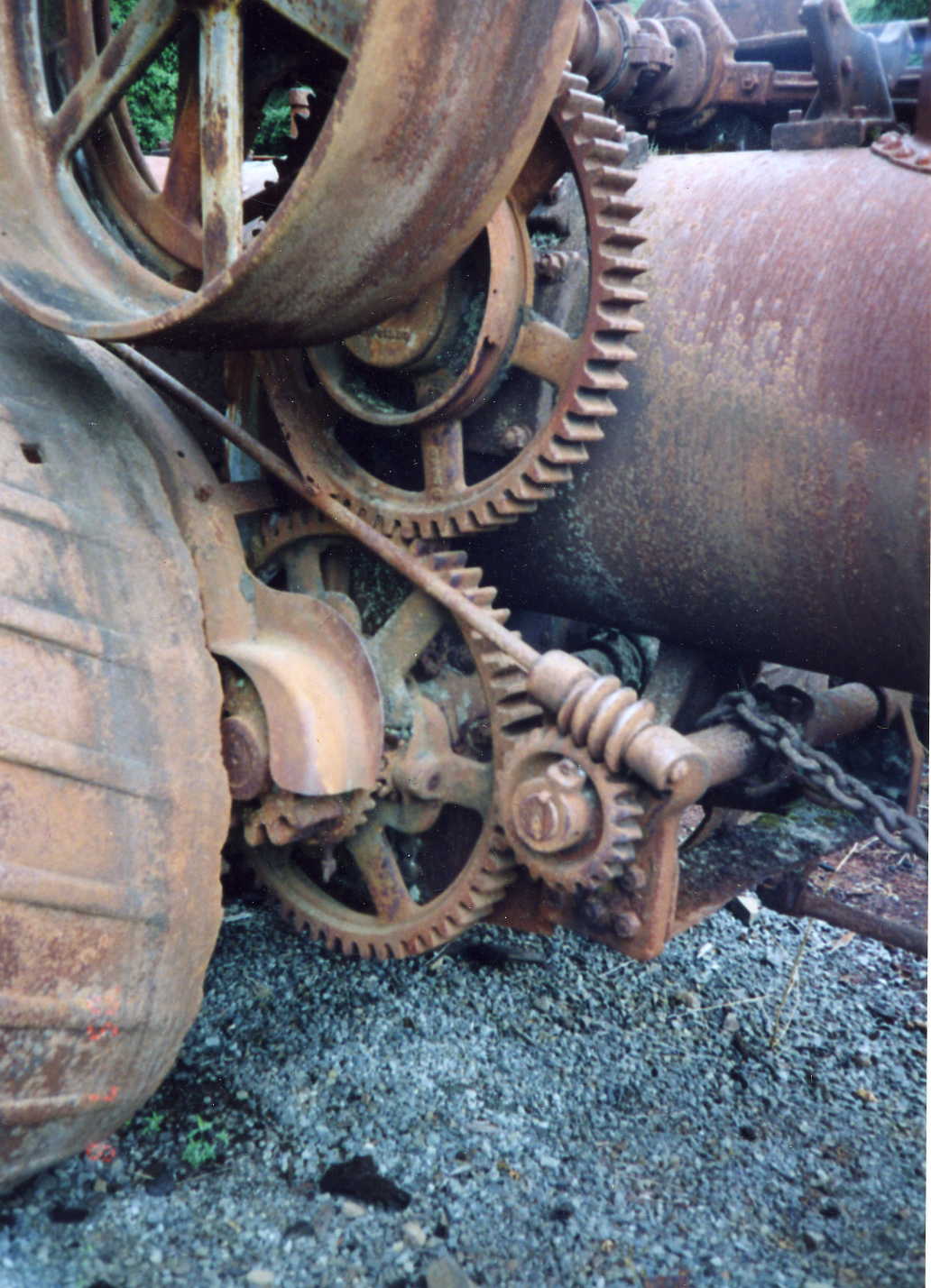
1860:Farm locomotive, one of history's first steam powered tractor, requiring three operators
*1764:English entrepreneur James Hargreaves invented the
spinning jenny. His family enterprise used it quickly to produce unprecedented
volumes of woolen and then cotton cloth. Cotton was a crop that did not grow
significantly in England. It had to be imported from remote areas where English
power allowed cheap raw materials, like cotton, to be brought home for
manufacturing into finished products. Thereafter, the manufactured product was
sold at high profit in England, but also exported to the wider world. Remote
agricultural civilizations provided cheap raw materials and bought back
expensive finished products. In the 1760s and 70s, English export of cotton
cloth increased 10 times over. That was the future launched by Hargreaves, but
he suffered a catastrophe. Neighboring hand weavers who suffered in competition
with the new machinery broke into this plant and destroyed his jennies.
Hargreaves sold the patent to his spinning jenny, thus derived no profit from
its eventual central role in early English industrialization. He died penniless
*1769:English inventor and entrepreneur Richard Arkwright
patented his water frame or spinning frame which drew cotton from the carding
machine into a fine, hard-twisted thread. Arkwright began his working life as a
barber's apprentice but made his first fortune when he employed a secret method
of dying human hair for sale to wigmakers. Now his machinery allowed warp and
woof spinning of cotton into cloth
*1779:English inventor Samuel Crompton, who had grown up
working as a spinner and weaver in the early cloth factories, devised a Muslin
Wheel which allowed cotton threat to be drawn in great lengths onto spools for
use in huge mechanized weaving machines that were coming into use. He did not
patent his invention. It was stolen by all the larger cloth manufacturers. In
1811 Parliament recognized his contribution and gave him a huge stipend. He was
no businessman and died penniless
*1780s:James Watt's rotary steam engine was perfected . Human
energy, animal energy, and water energy were now to be replaced in nearly every
manufacturing process by steam energy. In 1820, England exported and sold 208
million yards of cotton goods. By 1840, it sold 729 million yards. In 1785,
England imported and processed 11 million pounds of cotton, in 1850, England
imported and processed 588 million pounds, an increase of over 50 times the
earlier figure
*1794:US inventor Eli Whitney patented the cotton gin ["gin" =
short for engine] which he had conceptualized while living as a guest on the
slave estate of Nathaniel Greene's widow in Georgia. He began manufacturing the
gin in New Haven CN, largely for sale in the cotton growing areas of the
southern USA. The cotton gin made slavery profitable, but the patent was
infringed by many other manufacturers. Suits at law were of no avail. His
factory burned. His partner died. But Whitney did not give up. He landed a procurement contract with he
US government to manufacture firearms. He perfected mass precision
manufacturing in which well-tooled parts were interchangeable, from weapon to
weapon. He was able to fill President Jefferson's order for 10,000
muskets in two years
*1830:English inventor George Stephenson
[ID] inaugurated the first
rail line linking two industrializing cities, Manchester and Liverpool (a
seaport). The English economy was entering into the phase that later theorists
called "the take-off into self-sustained industrial growth"
[ID] in which the
industrializing economy became dependent on its own industrial products.
Industrial growth consumed industrial products in an ascending and expanding circular pattern. Railroads
carried coal to make steel. Railroads required vast quantities of steel for
track, rolling stock, stations and, of course, those fabulous steam engines, so
that the coal and steel, etc., could be transported in volume. And
these railroads burned coal. Add to this the rising demand on the construction
trades to build roads, bridges, and docks for those ocean-going ships
increasingly powered by steam themselves and later made of steel and burning
petroleum fuel. From 1830 to 1850, English coal output
trebled, from 15 or 49 million tons per year. Iron output
rose in equal proportion, from 680 thousand to 2.25 million tons per year
Global railway mileage =
1840 = 4,500 miles
1850 = 23,500
1870 = 50,000
1890 = 100,000
1910 = 130,000 +
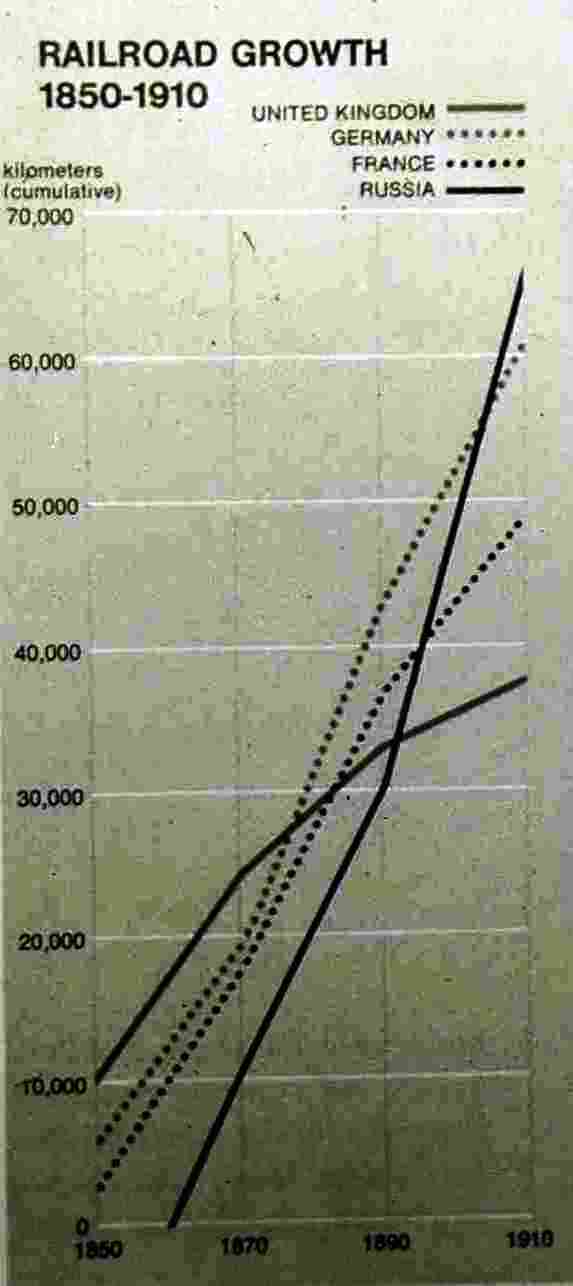
1850:1910; Chart of west European railroad
growth over a 60-year period
1848-1871; Maps of railroad development in west
Europe over a 23-year period
1850:1890; Maps of railroad development in
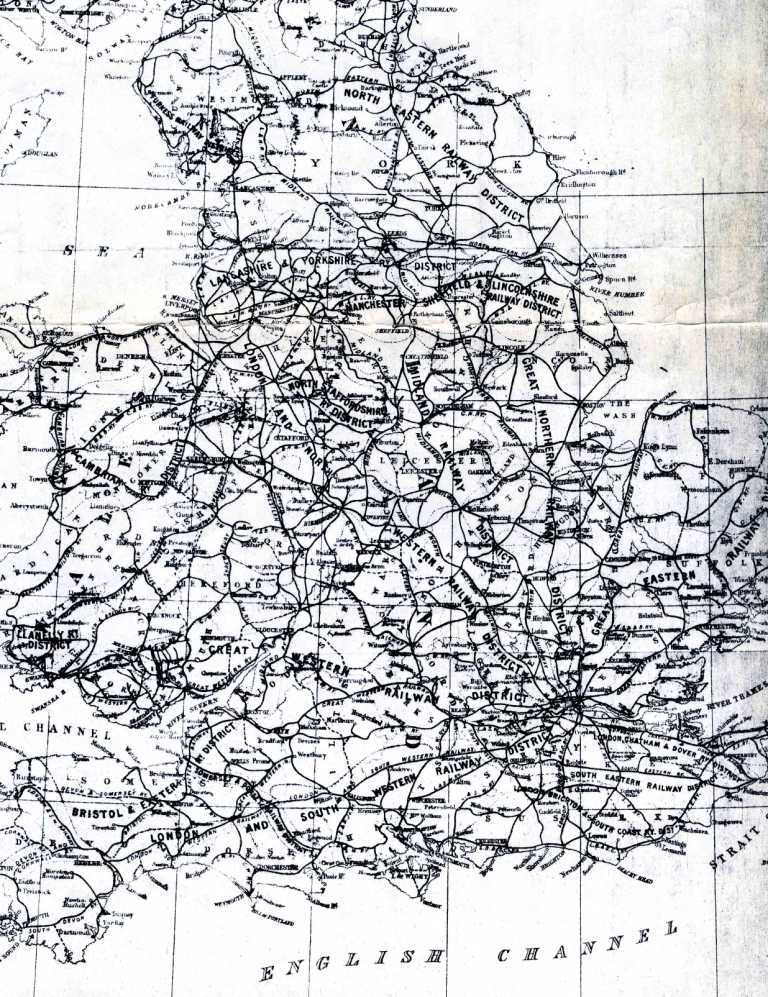
southern England over a 40-year period
1850:1880; Maps of railroad development in
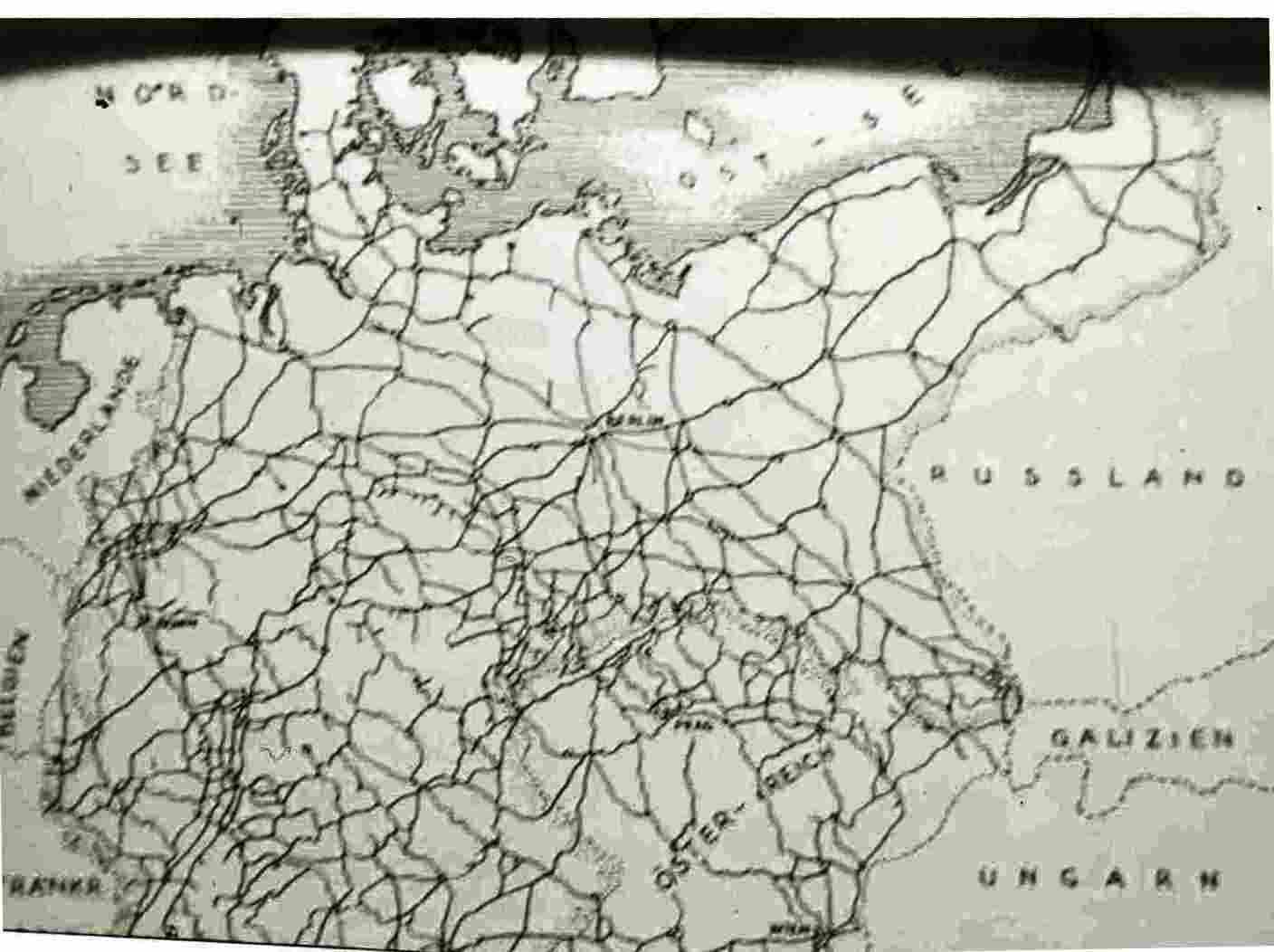
north-central, German-speaking Europe over a 30-year period
1850:1913; Maps of railroad development in Europe
over a 63-year period
*2012:TLS:3-4|>Rauchway,Eric| Review of three books on US railroads
[SAC editor has introduced explanatory hypertext hops and boldface at points of greatest relevance to our course]=
*:|>Thomas,William G|_THE_IRON WAY: Railroads, the Civil War, and the making of modern
America| ((wrd.trx hst.gph [ID] ))
*:|>White,Richard|_RAILROADED: The transcontinental and the making of modern America| ((stt&ekn
| mlf))
*:|>Klein,Maury|_UNION PACIFIC: The reconfiguration: America's greatest railroad from 1969 to the present
[T]he railroad represented not only a seductive means of transport, but a dangerous store of power. As with all
power, the question naturally arises, power for whose use and what end?
[rrd&MPR=]
In the early decades of rail, the iron roads represented the power to shrink distance and duration almost to
nothing: "time and space are annihilated", Asa Whitney said in 1844, promoting an American transcontinental
Railway. In the age of imperial expansion, authority over the continuum of nature quickly came to represent
the power of the state to annex and rule. The telegraph ran alongside rail, and transmitted instant orders
from important offices to remote locales, and of course freight and people -- armies if necessary
-- could follow
such lightning direction at only slightly less impressive speed. [CF="World
System" theory]
[rrd&wrx USA.cvl.wrx=] To Americans
of the nineteenth century, the railroads represented the way and the power to
win the West -- but for which nation? Both North and South -- both free and
slave states -- wanted to press their interests into the West. William G. Thomas puts the railroads at the
centre of the Civil War in his brief and well-written Iron Way. Some of the arguments will be familiar to
even the casual student of the sectional crisis in America: in the decades leading up to the war, North and
South were already locked in a struggle over whether free or bonded labour would dominate the new territories
to the West, and this fight took the form of arguments over whether a transcontinental rail route should
follow a northern or a southern path. During the war, the armies of the United States aimed to destroy the
Confederate capacity to make war, and focused their attentions on ripping out the railroads they would not
need, and protecting those they would.
Elsewhere, Thomas's arguments are more novel and nuanced. He is keen, first of all, to undermine
the convention of referring to the South as a pre-modern society and the Confederacy as an ad hoc, never-quite-national arrangement
[EG]. He argues that, although they provided runaways with a route to freedom, the railroads were also a means of spreading slavery and striking its roots deeper into the southern soil. Slaves worked busily to lay track and build tunnels throughout the South, making the market in their own people more brutally efficient. Moreover, Thomas says, the railroads bound the people of the South together. Past analysts have argued that the proliferation of gauges (the distance between tracks, and thus between wheels, which dictated the construction of locomotives and cars) in the South meant the region never had a truly unified rail system. Thomas observes, contrariwise, that the rail networks of the South were at any rate no less efficient than those of northern regions, which also often featured a plethora of gauges. This problem of multiple gauges, differing North to South, has launched occasionally bitter arguments over the way in which the US Army used and abused railroads during the war -- as recently as 2002, one of these quarrels erupted in the letters column of the Financial Times, when two correspondents disagreed over whether the US Army brought northern rail gauges to the South. Thomas documents Union destruction of rail lines laid to southern gauges and replacing them with tracks built to northern specifications, so northern engines could carry the machinery of war into the more remote parts of the South. Thomas regards the unification of the slave South by rail as proof of Confederate nationalism, a frequently mentioned though rarely justified phrase in the recent historiography of the Civil War. It is never clear why "the seriousness of the Confederate claim to nationhood" might have mattered in the course of the war.
The Iron Way's new view of the railroads and the war is more arresting at the level of tactics.
Chief among the talents of the Confederate cavalry leader Thomas "Stonewall" Jackson, Thomas says, was the ability to use railroads to move his troops and get them rapidly into the right position for their mounted dashes through the valleys of Virginia. Jackson, Thomas claims, "proceeded to use the railroads in ways no other commander had yet attempted". Moreover, among the failings of the US General George McClellan in his ill-fated Peninsular campaign, Thomas says, was his sudden and inexplicable blindness to the usefulness of rail routes: although he depended on trains to get his men into position, as he thought about the conclusion of the campaign, he focused on the city of Richmond itself, rather than the rail junctions around it.
[hst.gph]
Thomas claims to know what was uppermost in McClellan's thoughts, because of novel analytical methods.
The book is, he says, a work of digital history, though to all appearances it is a book like any other with no evident computerized components, and one will proceed a long way into the volume before noticing any specifically digital aspect. But the analysis of McClellan's campaign rests on word counts of his digitized correspondence:
"In hundreds of letters and telegrams McClellan and his Union staff officers mentioned railroads less frequently than they did 'river' or 'enemy' or 'fort' ". Seeking to offer a picture of the minds of the officers of the war, Thomas includes word clouds -- a graphic depiction of a prose passage in which words appear larger in proportion to the frequency of their use. These tools have shown up for years in blogs as a kind of shorthand insistence that a book or article is clearly about its more commonly occurring words, and they plainly provide a good first approximation of an author's emphasis. At the same time, it is hard to feel that they can substitute entirely for the techniques of non-digital reading, which include a focus on what is implied or unsaid, whether from mere desire to conceal, or the anxiety of influence. The practice of digital history is still in its infancy, and indeed it is not yet certain what sort of creature the infant will grow into. One of the more obviously promising areas is mapping -- by feeding historical data into modem mapping software, it may prove possible to depict the geography of the past in greater detail than ever before. In Thomas's book there is, at one point, an intriguing map showing the rates of rail travel in antebellum America -- but the caption reveals that it was made in 1932, with no aid from the cartographic machinery of our time.
[ggr]
Nevertheless, the question of space greatly occupies Thomas, and he regards the railroads' ability to alter our perception of space and conquer the inconvenience of distance as the hallmark of modernity. This capacity to bring the frontiers closer and reduce the time of travel to the edge of civilization was the thing that told nineteenth-century Americans that they had entered a new age, characterized by the power to project influence across spaces even as great as the plains of America.
[stt&ekn] According to Richard White, once the railroads became transcontinental, their power became the power to corrupt, if not absolutely, then nationally. With the Pacific Railroad Acts, passed during the Civil War, the government of the United States created a national corporation, the Union Pacific railroad, subsidized it with grants of the western lands still owned by the government, and thereby created a beast whose tentacles would reach into the furthest corners of the nation. The transcontinental railroads' real business was not, White tells us in Rail-roaded, transport, but the extraction of capital from investors, public and private, with which to line the pockets of the railroads' flashy managers.
White evidently likes the low opinion that Americans of the nineteenth century had of the railroaders, and indeed that the railroaders had of each other.
America's Gilded Age was a golden age of blunt expression, and some of it rubs off on the author. Within three pages of White's book, the following opinions of various railroaders appear: "poorly educated... narrow... authoritarian . . . scheming, manipulative . . . calculating . . . volatile . . . never took an ethical high road ,. . betrayed partners and . . . strangers ... a buffoon ... hard ... opinionated, self-righteous, and narrow-minded."
The Central Pacific founder Collis P. Huntington appears here as the shrewd, grasping, ruthless character without scruple that historians have long supposed him to be, buying politicians so he can continue to reap a harvest from the nation's treasury. But among the railroaders who get the sharp treatment in White's book, one stands out: Huntington's partner Leland Stanford, patron of the arts, enthusiast of horse-flesh, and founder of the university where White now teaches. Stanford exhibits "greed, laziness, ignorance and ineptitude", intimacy with a "thug"; he "undercut" allies and "alienated" friends, arranged bribes, effected a "political marriage" to a "boss" devoted to "boodle" and the acquisition, naturally, of "simoleons". He was "obtuse". He "neither knew -- or initially cared -- much about operating railroads" and when he did take an interest he showed "utter ineffectuality". No wonder: he was "mad" with "egotism and arrogance". Nothing defined him so much as "his stupidity and carelessness, his selfishness and greed, his laziness and his immense self-regard".
How could such a low character of modest talents have become such a tycoon? Simple: the federal government of the United States, under the control of the Republican Party, picked him as a recipient of its largesse and patronage. Once in the circle of the blessed, even a man without talent could stay for decades, because his friends would keep him there, saving him time and again from himself. But these were not friends in the ordinary sense of the term, White writes. Under the management of men like Huntington and Stanford, the publicly subsidize private railroads perverted good human qualities like friendship and loyalty. No longer would affection or personal sympathy cement such bonds: now they derived from shared financial interest. "The key figures of the Gilded Age networks of finance, government, journalism, and business had stumbled like so many vampires on a cultural form (friendship), drained it of its life-blood (affection), and left it so that it still walked, talked and served their purposes in the world." The transcontinental railroads put so much money and power at stake that they corrupted everyone and everything they touched.
There are no heroes in Railroaded. Much of the literature on railroads seeks someone to valorize -- when writers do not write misplaced encomia on entrepreneurship, they seek to praise the middle managers who, yes made the trains run on time -- or worked out ways to overcome the mess of multiple gauges, or how to transfer cargoes from road to rail and back. White will have none of it "There were attempts at bureaucratic rationality", he says, "but they ended up either comic or frightening." The railroaders had too much interest in profit, or power, and danced at the whims of appetite and forces beyond their control. "Only in fiction", White says, were they "ruthlessly in charge".
[mlf] The word "corrupt" or its variants occurs (according to a count abetted by an online search engine) approximately once every five pages in White's text. Appropriation of public resources for private gain is plainly his theme, and his indictment leaves no room to doubt that the makers of the transcontinentals used the railroads to channel the people's goods into their own pockets. White would rather the government had stayed out of the railroading business, speculating that without the subsidies, there would have been "less waste, less suffering, and less catastrophic economic busts". "There would have been more time", he contends, "for Indians to adjust to a changing world." Had the railroads waited until private enterprise could see the wisdom of their construction, they would have come "more cheaply, more efficiently, and with fewer social and economic costs". Maybe they could, but though White proposes this counterfactual, he does not work it out.
Even a reader untutored in the history of railroading might suspect that an untold story lies behind White's great swindles and circuses. After all, as Galileo would have said, and still they move: the engines and cars the passengers and traffic they did move, despite the boodlers and the Stanfords, and they moved with increasing cheapness and efficiency, or so historians versed in the less spectacular stories of railroad management assure us.
And even if it were not so, the moral of the sad story of government-subsidized rail is not necessarily that the government should do less: it might be that the government should do more. The next time the US government created a national transport network, it did not delegate the job to private enterprise or any public-private partnership such as the Union Pacific; it did almost the whole job itself. From the Federal Aid Road Act of 1916 through the construction of roads by the Works Progress Administration in the 1930s to American entry into the Second World War, the US created for itself a national network of intercity and interstate roads that the creation of federal freeways under the Federal Aid Highway Act of 1956 would only render more efficient. The trucking industry thus enabled would offer more competitive freight rates than the railroads ever had, and could, moreover, deliver door to door. Although trucking delivery over good roads did provide some benefits to the railroads by smoothing out the availability of first and last miles, in the main they provided fierce competition and, as Alexander Field says in A Great Leap Forward: 1930s depression and US economic growth (2011), "The railroad industry simply did not fully appreciate the extent to which the burgeoning trucking industry would eventually eat much of its ... lunch." Thus deprived of sustenance, the industry found itself in a parlous state in the mid-twentieth century, which is where Maury Klein picks it up in Union Pacific: The reconfiguration - America's greatest railroad from 1969 to the present the third volume of his history of the Union Pacific railroad.
Unlike Thomas or White, Klein is a historian of the railroad itself. For him the tracks and trains do not represent nationalism or power or the propensity of government to corrupt: they make up a railroad, better or worse managed, to be sure, but a business in which the main challenge, day in and day out, is to turn a profit by moving people and goods in cars that travel on rails.
The characters involved in this phase of railroading history get less outsized treatment than their predecessors. Consider Klein's description of Roland Harriman, who managed the Union Pacific in the 1940s and 50s. His father, E. H. Harriman, had bought the line in 1898, wresting it from bankruptcy and developing it into a profitable company. But Roland was a different sort. "His character had the sweetness and simplicity of one who wore his heart on his sleeve . . . gracious, accommodating, and forever pleasant . . . competent and well-meaning but unforceful .... The soul of tact and discretion, he preferred management by consensus." The railroaders had come a long way from their piratical forebears, and the task before them was a different one. If in the nineteenth century the job had been to envision a railroad that spanned a continent -- a railroad that, perhaps, nobody needed, but people could be made to desire -- in the twentieth century the chore was making this great beast a peaceful creature that could coexist with the car and the lorry.
Facing this challenge meant mastering managerial and technological skills. For Klein, a "pivotal moment came in 1954" when one railroader asked, "what's a computer? I hear that we could use one profitably". The new calculating machines accompanied a new network of microwave transmission to permit faster sending and processing of information.
Even when these latter-day executives tried to strike a pose of bravado, it rings a hollow note. Klein tells us that John Kenefick, who ran Union Pacific from 1971 to 1986, called himself the "MFICC - the Mother Fucker in Complete Charge". But unlike Collis Huntington, Kenefick did not have politicians in his pocket: he had a slide rule. In the early years of the computer revolution, he hired people who understood computers and could work with IBM, so that the railroad could efficiently manage inventory and schedule cars, keeping costs down. Kenefick sent company officers to get advanced degrees in management. He upgraded the programmes for maintaining track and roadbed. Conscious of the need to expand or perish in this shrinking railroad industry, he established a planning and analysis group to identify a menu of other railroads to swallow, and the Union Pacific chewed methodically through them: the Missouri Pacific and the Western Pacific; the Katy. Exploiting the terms of the original federal land grant; which licensed the Union Pacific to do business as a telegraph company, as well as a railroad, he oversaw the laying of fiber-optic cable along the right-of-way.
With Kenefick, the railroad men "started worrying about things other than intrigue and bullshit", one officer remarked. His successors brought the business-school concept of "total quality" to the organization, and also made priorities of health and safety. By the early twenty-first century, the line "handled one-third of all American rail traffic".
John Maynard Keynes famously wrote, "If economists could manage to get themselves thought of as
humble, competent people, on a level with dentists, that would be splendid!" The economists haven't
managed this feat, but according to Klein, the American railroaders have done it over a mere
century and a half. Once a class of major visionaries and dangerous corrupters of public morals,
they have become straightforward movers of traffic. This role may not last. With the modern
desire for high-speed rail and greener ways to move goods and people, there are dreamers once
again envisioning new lines of track across the great distances of America. Perhaps the attempt
to realize this vision will require the same oversold promises and twisting of the political
system as the nineteenth-century effort: but it lies around another bend in the track.
2. The "petroleum"
phase, or the "second industrial revolution" (1880s-1939)
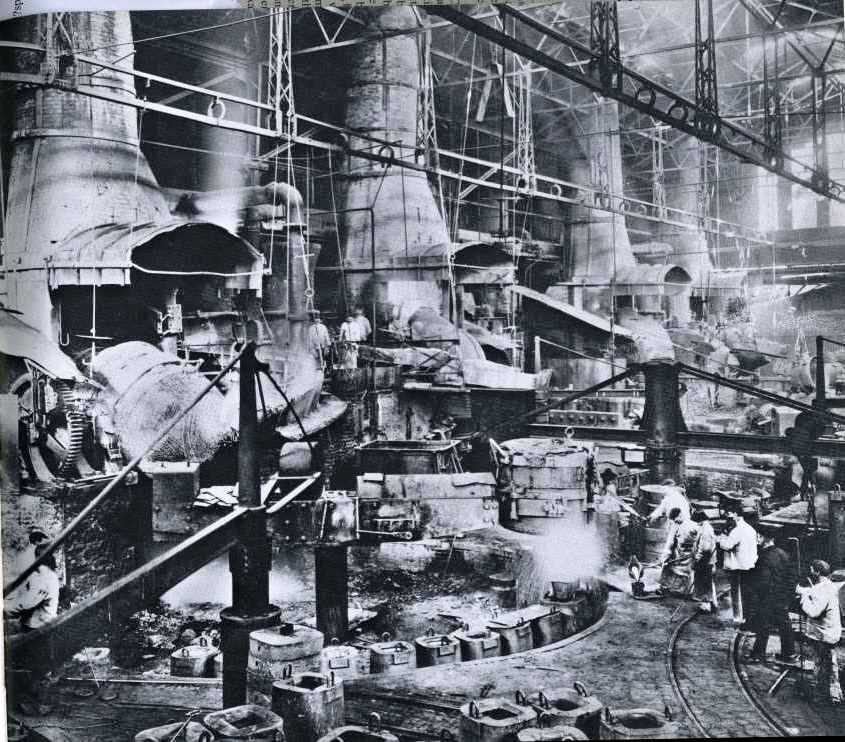
*1856:English mechanical engineer Henry Bessemer, in a effort to improve the
quality of artillery, perfected a method of oxidizing molten iron in great
caldrons to produce high quality steel in massive quantities. This came to be
known as the Bessemer Process [pix]
*1865:1914; In a half century, world production of steel increased 100-fold,
from 500 thousand to 50 million tons per year
Saga of Andrew Carnegie [pix] [5-hop
LOOP]
*1870:International grain trade reached full maturity
[ID]
*1876:Era of petroleum-driven industrialization
[pix] [4-hop LOOP]
*20th century, early = YouTube portrays Ford-plant mass production in USA
\\
*--Mokyr,Joel| "The Second Industrial Revolution, 1870-1914"| ((mfgR2|
E-TXT
NB! page 2 =
The other aspect of the second Industrial Revolution worth stressing is the changing nature of the
organization of production. The second Industrial Revolution witnessed the growth in some industries
of huge economies of scale and "throughput" (to use Alfred Chandler's well-known term). Some vast concerns emerged,
far larger than anything seen before. [...] With the rise of the
chemical industry, oil refining [lxt], and other
industries using containers, as well as engines of various types, size began to matter more and more. Some economies of scale were
organizational, such as mass production by interchangeable parts technology. Others were more in the nature of
marketing advantages, or even the ruthless pursuit of monopolies. Yet it should be stressed that even with rise of
giant corporations such as Carnegie Steel [ID], Dupont, Ford Motors
[YouTube], and General Electric in the U.S. and their
equivalents in Europe [EG], these firms employed but a small fraction of the labor force and the typical firm in the
industrialized West by 1914 remained relatively small [...] (Scranton, 1997; Kinghorn and Nye, 1995).
The consequence of changing production technology was the rise of technological systems (Hughes,
1983, 1987). Again, some rudimentary "systems" of this nature were already in operation before 1870:
railroad [EG] and telegraph networks and in large cities gas, water supply, and sewage systems were in existence.
These systems expanded enormously after 1870, and a number of new ones were added: electrical power and telephone
being the most important ones. The second Industrial Revolution turned the large technological system from an
exception to a commonplace. Systems required a great deal of coordination that free markets did not always find
easy to supply, and hence governments or other leading institutions ended stepping in to determine railroad
gauges, electricity voltages, the layout of typewriter keyboards, rules of the road, and other forms of standardization.
The notion that technology consisted of separate components that could be optimized individually
never quite literally true became less and less appropriate after 1870.
))
3. The transnational corporate phase =
"managerial revolution" or "neo-mercantilism" (1939+)
*1895:USA "Managerial Revolution"
underway. Follow SAC LOOP
Lord Furness extolled corporations
while John Davis and other "progressives" warned against them
Rudolf Hilferding's "co-partnership of
classes"
Walter Rathenau's vision of a thoroughly
planned national economy
Adolf Berle defined the modern
"corporation"
USA| Theorists in the 1950s tried to define
industrialization as a global phenomenon
Taxonomy of the industrializing
experience
I. Mentalities
II. Institutions
III. Society
IV. Economy
V. Geography
I. Mentalities
A. Secularization
B. Science, engineering (EG=Isambard
Kingdom Brunel), and artistic sensibilities (EG="precisionism")
C. Egalitarianism (of one sort or another)
D. Popular culture |
Consider these words which came into the English language in the industrial age [TXT]
E. Economic theory, some in favor, some opposed =
These variously embraced industrialization =
Adam Smith |
Robert Owen |
Karl Marx and Friedrich Engels |
Friedrich List |
Samuel Smiles
These recoiled from modern industrialization =
Ferdinand Tönnies |
William Jennings Bryan |
Thorstein Veblen
*--Max Weber acknowledged a sad ascendancy =
Protestant "ethic" and the "spirit" of capitalism
II. Institutions
A1. Public education
A2. "The media" =
1860:Minerva Press |
1866:Atlantic Cable |
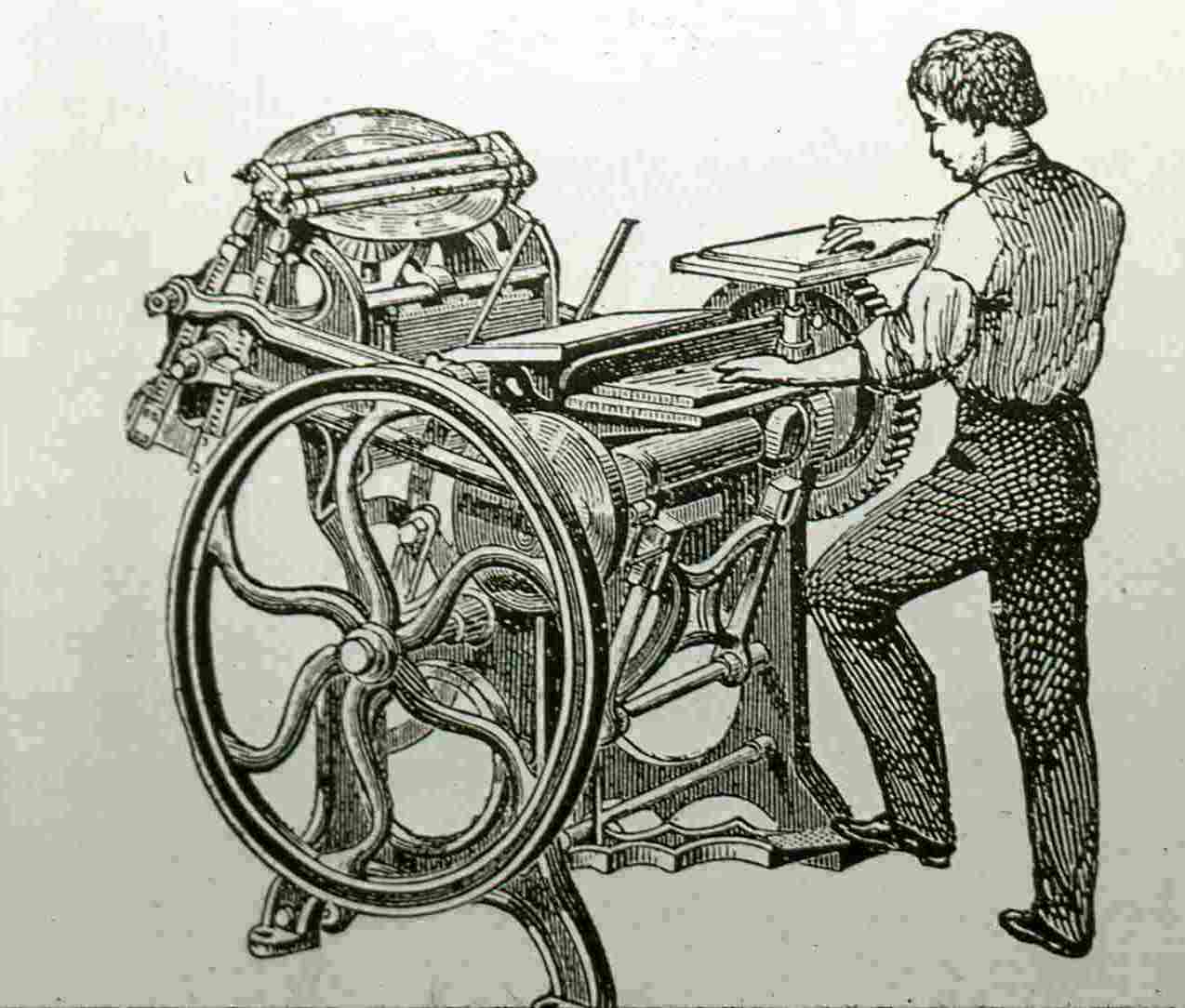
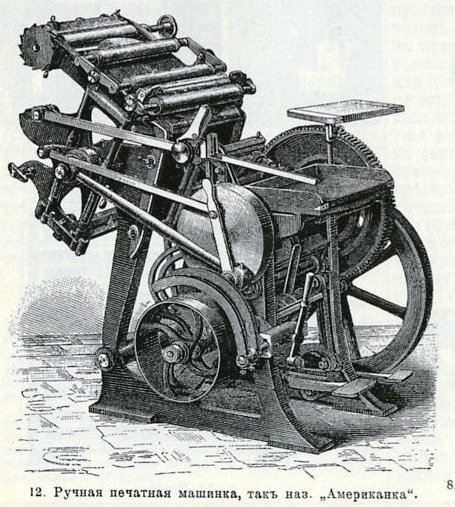
Hand press |
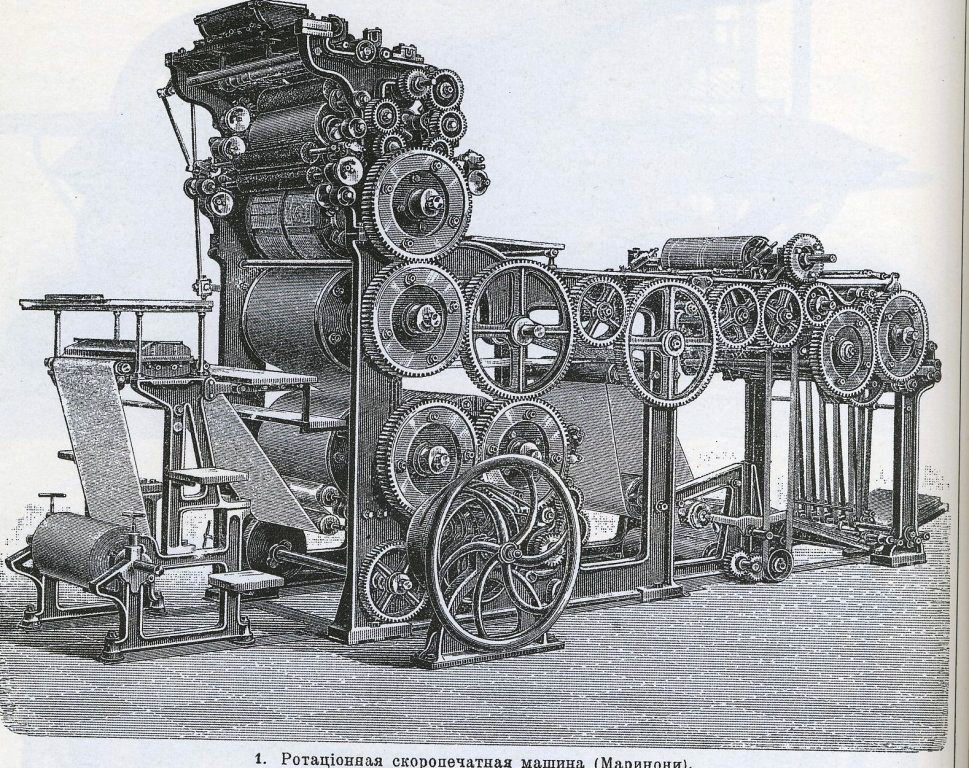
High-speed rotational press
B. Government as agent of society, slowing shifting toward
"chief employer"
C. Domestic Welfare
becomes a standard function of government (expansion beyond old military, police & tax
institutions)
D. Rise of business institutions large enough to rival
nation-states =
the
transnational corporation
E. Military-Industrial
complexes
III. Social
structure
A. "Feudal" structures toppled
B. Decline of rural culture, rise of urban
C. Peasants & craftsmen became proletarians. The English
experienced it first =
LOOP on "wage-labor" to
1861 |
Personal testimony
LOOP on "wage-labor"
to 1914au04 | [pix]
D. New "commoner" elite [not defined by sword or miter, but
by financial holdings (IE=money-making money, capitalism)]
1. Bourgeoisie
2. "Professionals", "Savants",
"intelligentsia" [TXT]
3.
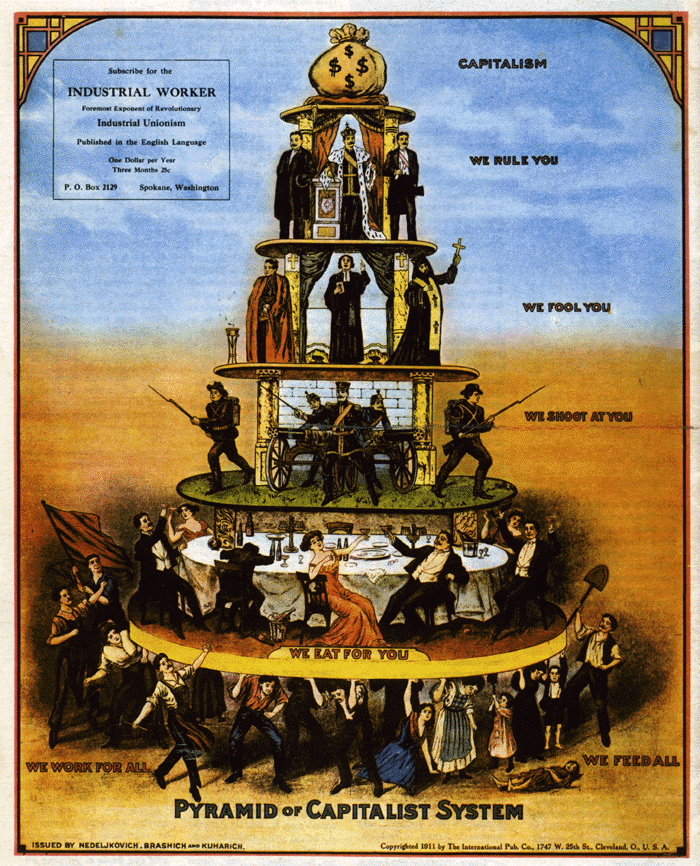
A new social "pyramid" [pix]
E. Women = Follow the
LOOP from 1844 to 1949
F. Rise of "New Class"
IV. Economy = GO PHASES
V. Geography
A. Globalization
*1825:USA Erie Canal completed
[ID]
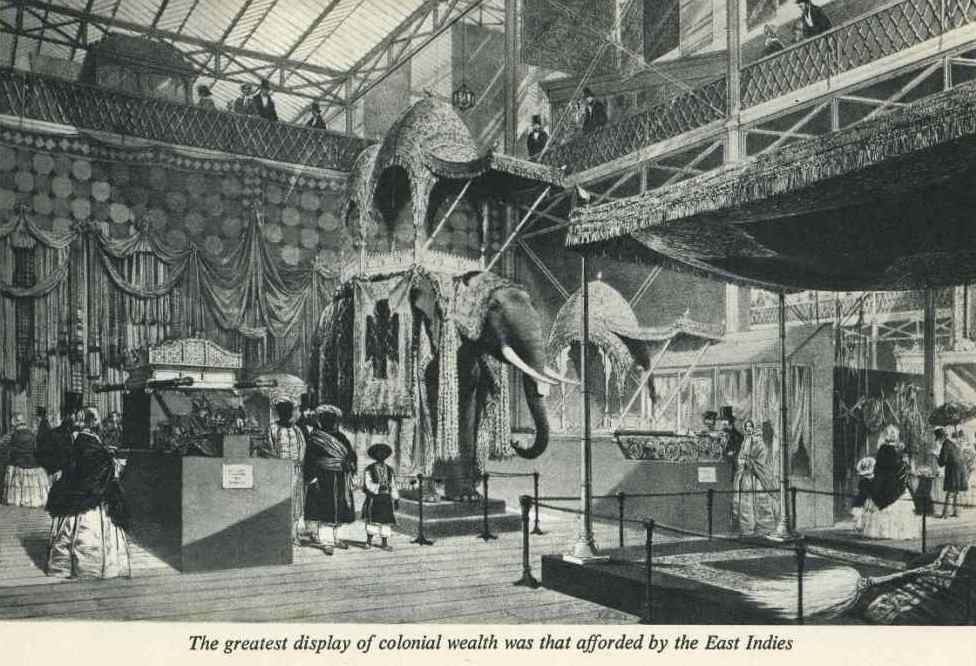
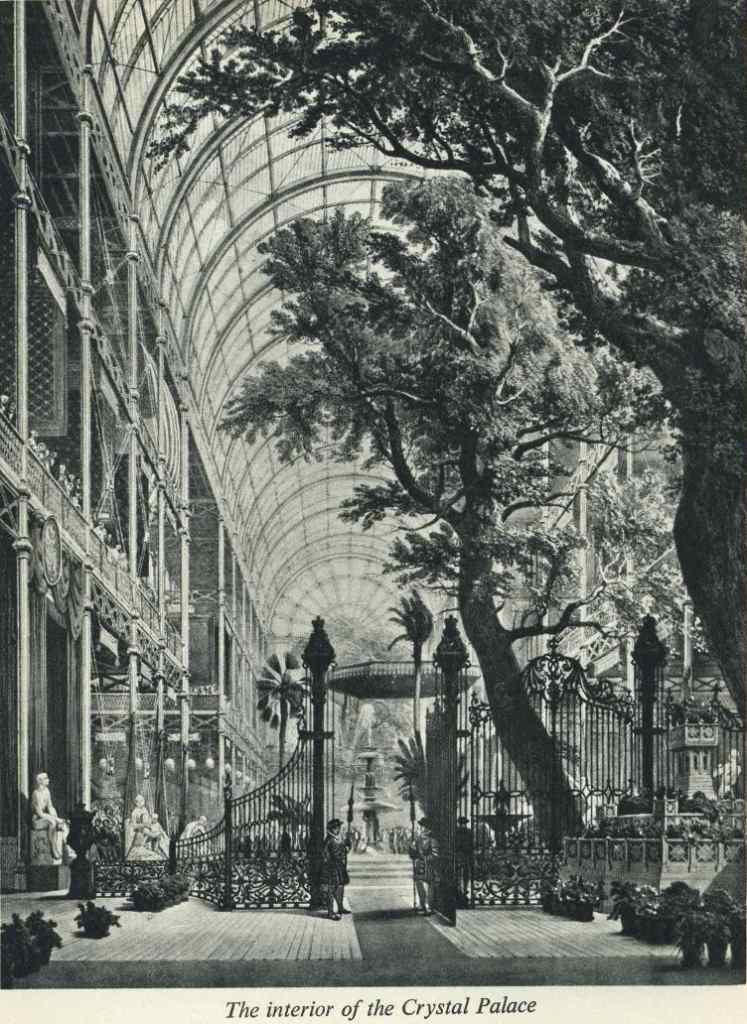
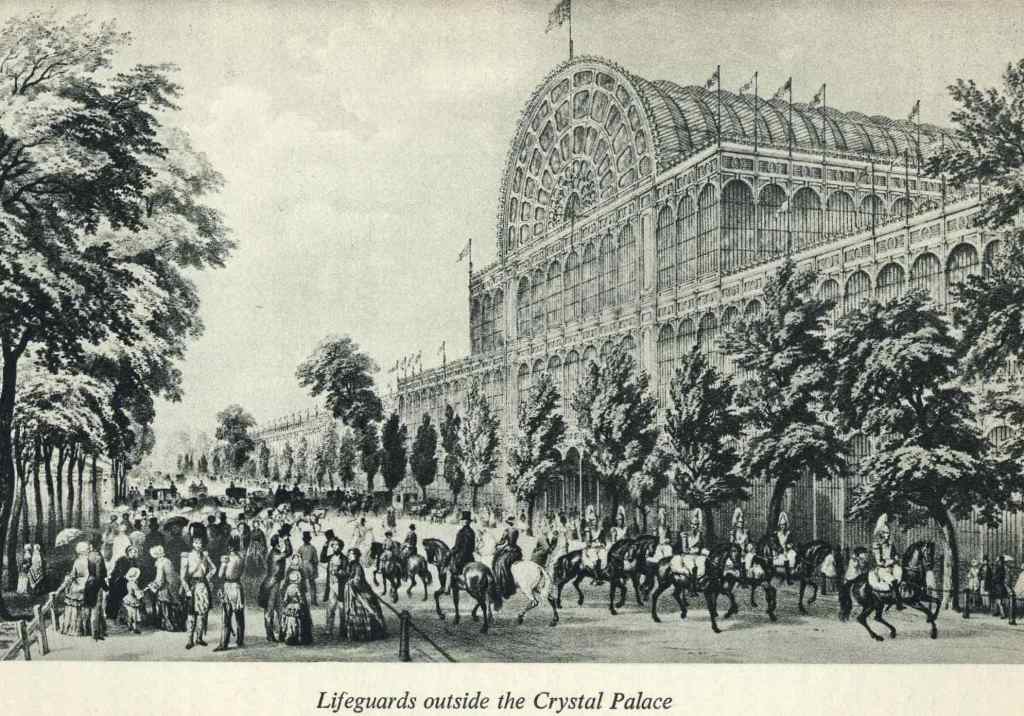
*1851:Crystal Palace Exhibition (world's fair)
[ID] [pix~]
*1866:Atlantic Cable linked west Europe with North America [pix]
*1869:+; Suez Canal [ID]
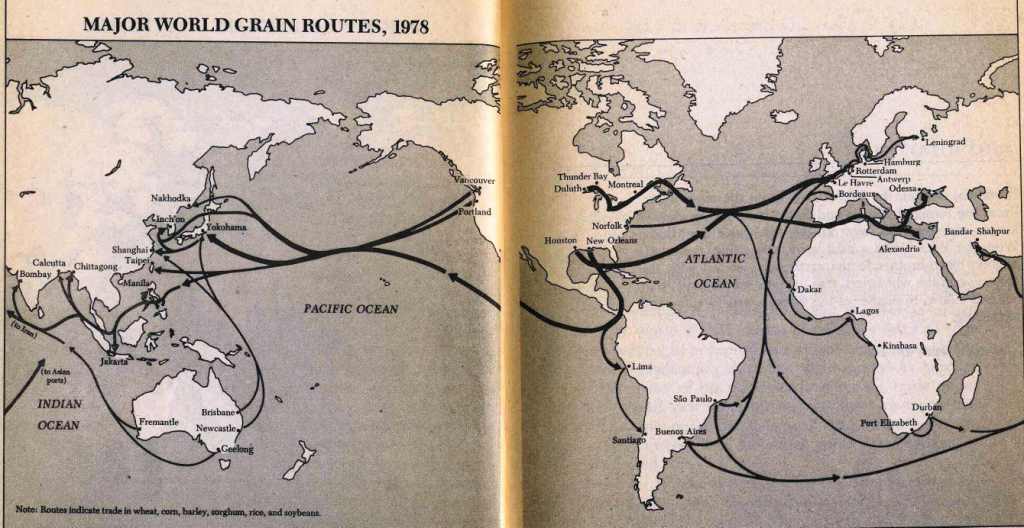
*1880:1972; Global grain trade routes extended and thickened [maps]
*1901:Panama Canal project
[ID]
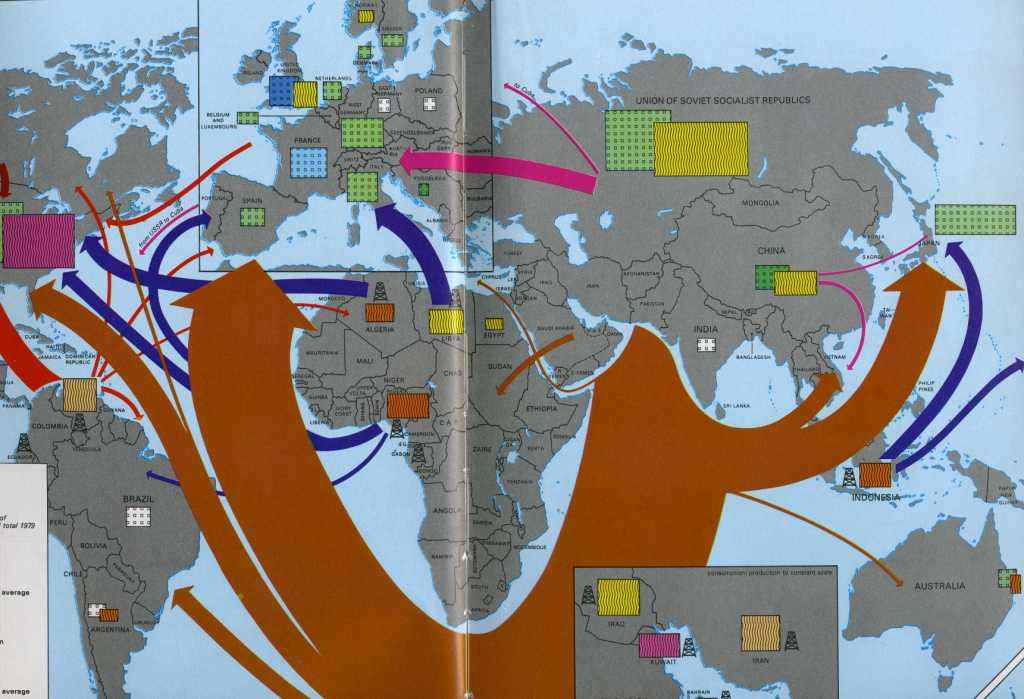
*1981:Global petroleum trade now mocked the concept of "energy
independence" or the hysteria provoked by the idea of "oil dependency" [map]
*2001+: Martin Walker article describes "three phases of globalization" [SUMMARY]
B. Population growth,
generally and particularly in cities
*1851:1911; English rural population migrated to cities in industrial districts
[map]
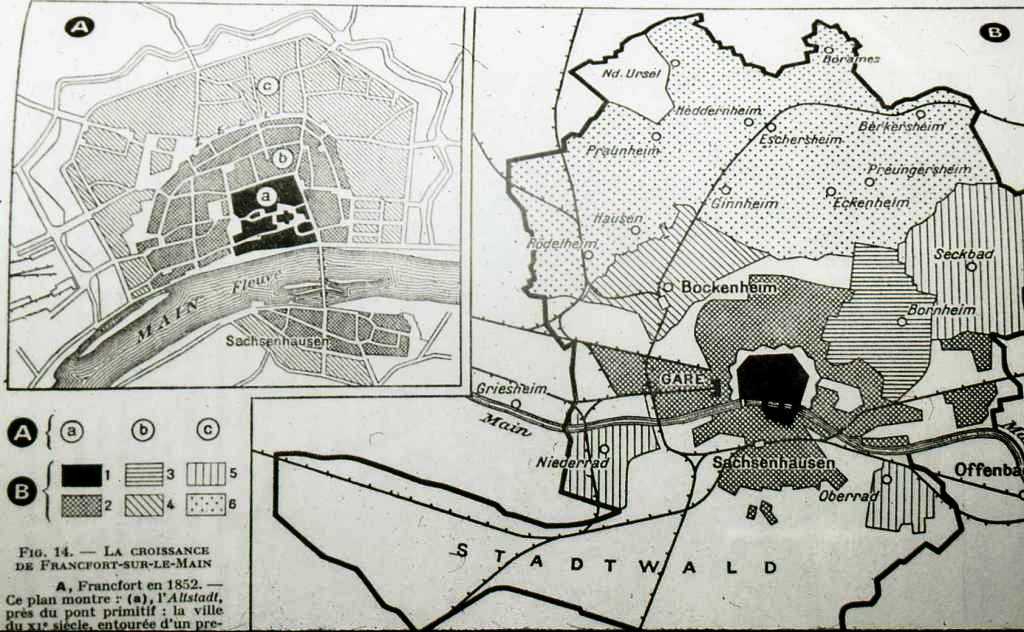
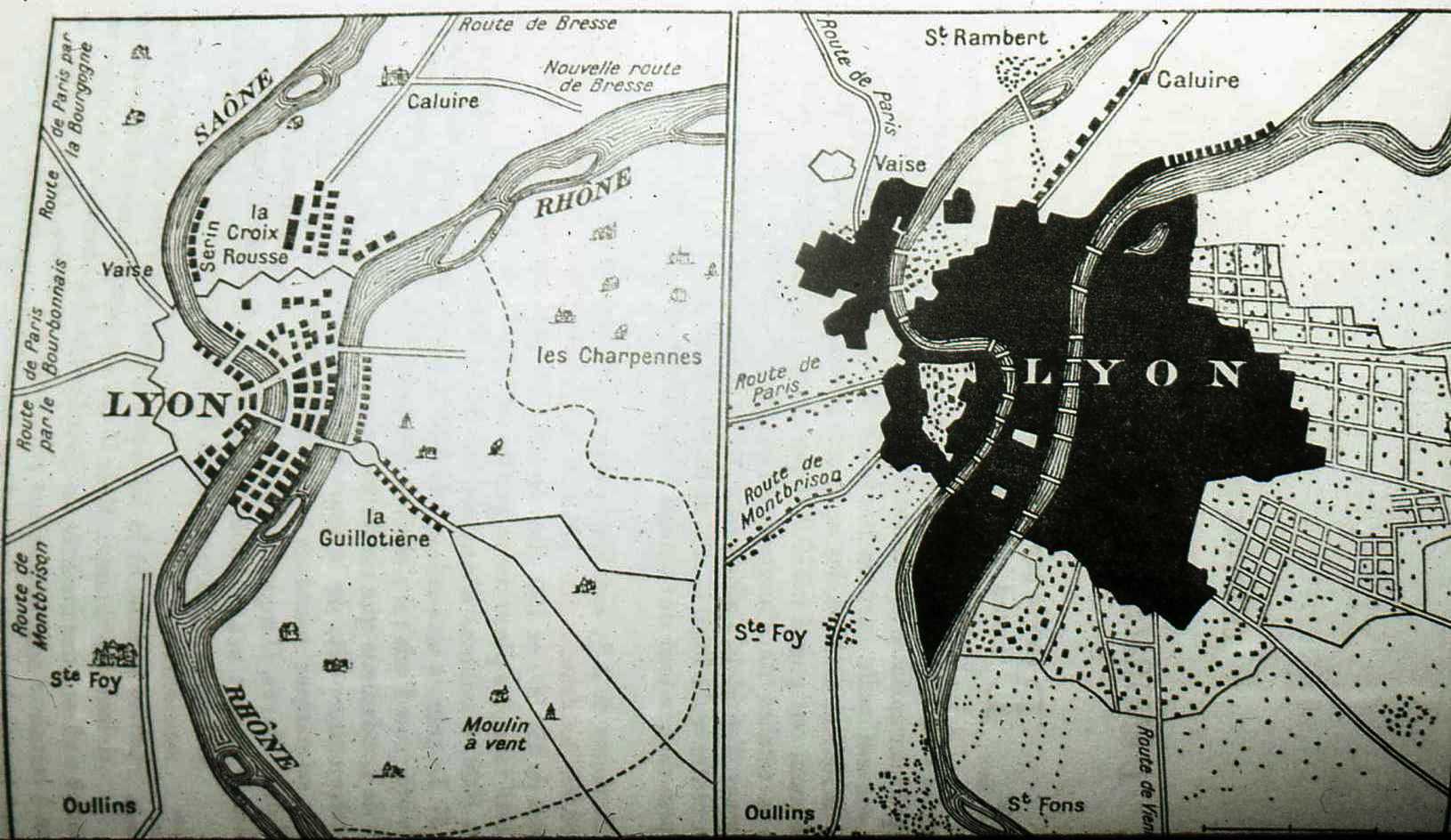
*--Urban "sprawl" = 1852:1910; Frankfort [maps]
| 1805:1911; Lyons [maps]
| 1800:1960; London [maps]
*--TABLE describes Growth of the Urban Population and Levels of
Urbanization in Europe (except Russia)
[Source] =
| Year |
Total population (millions) |
Urban population (millions) |
Urban % of total |
| 1700 |
102 |
12.6 |
12.3 |
| 1750 |
120 |
14.7 |
12.2 |
| 1800 |
154 |
18.6 |
12.1 |
| 1850 |
203 |
38.3 |
18.9 |
| 1880 |
243 |
71.4 |
29.3 |
| 1900 |
285 |
108.3 |
37.9 |
| 1910 |
312 |
127.1 |
40.8 |
| 1930 |
333 |
159.7 |
47.9 |
| 1950 |
367 |
186.0 |
50.7 |
| 1970 |
427 |
271.8 |
63.7 |
| 1980 |
453 |
301.0 |
66.5 |
*--European population density = 1820-1940 (120 years)
*--World population growth over the eons [pix]
*1920:Charles Sheeler and Paul Strand made a movie MANHATTA
[W], celebrating the great new-world industrial metropolis New York
City and inspired by Walt Whitman's poem "Leaves of Grass"
[ID]
*1981oc18:Portland Oregonian effort to illustrate
fact that one in eleven humans who have ever lived on this earth were alive just then
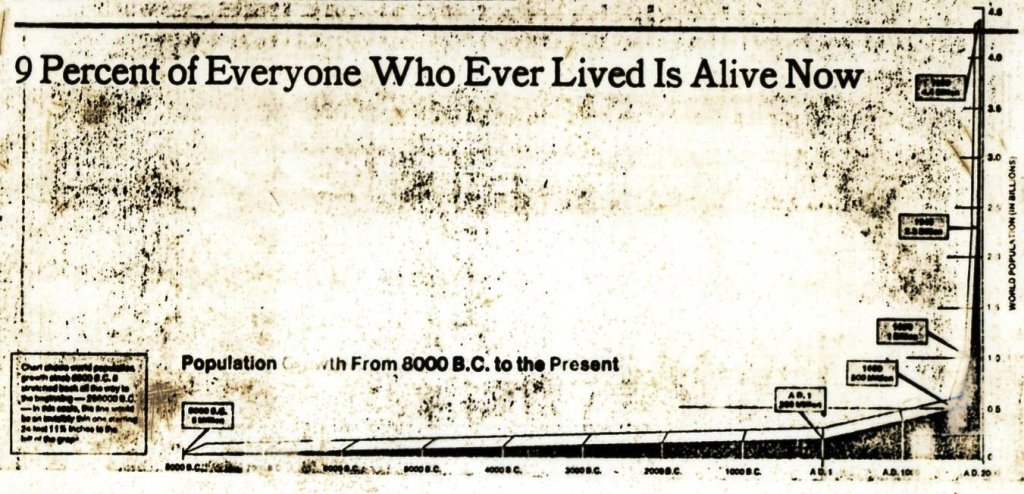
8000-BC | 7000-BC | 6000-BC | 5000-BC | 4000-BC | 3000-BC | 2000-BC | 1000-BC | 0 | 1000-AD | 2000-AD
ILLUSTRATIONS
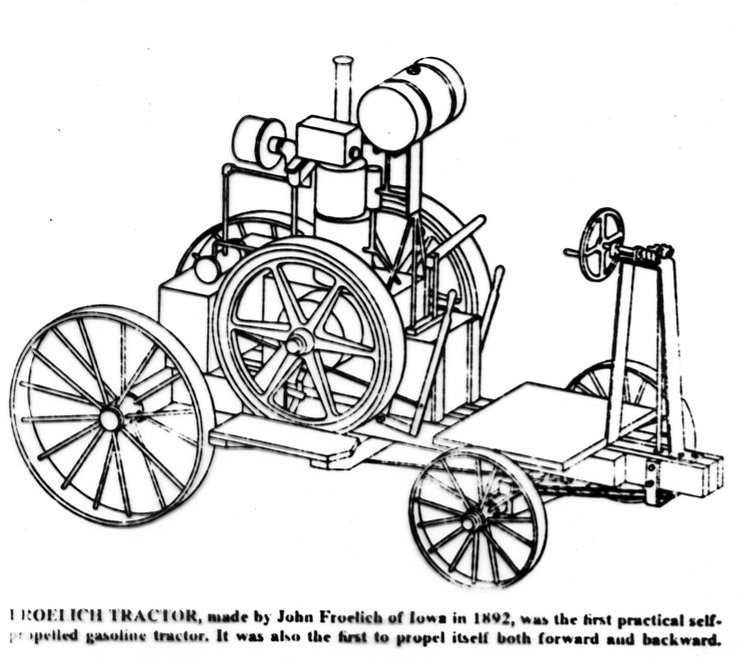
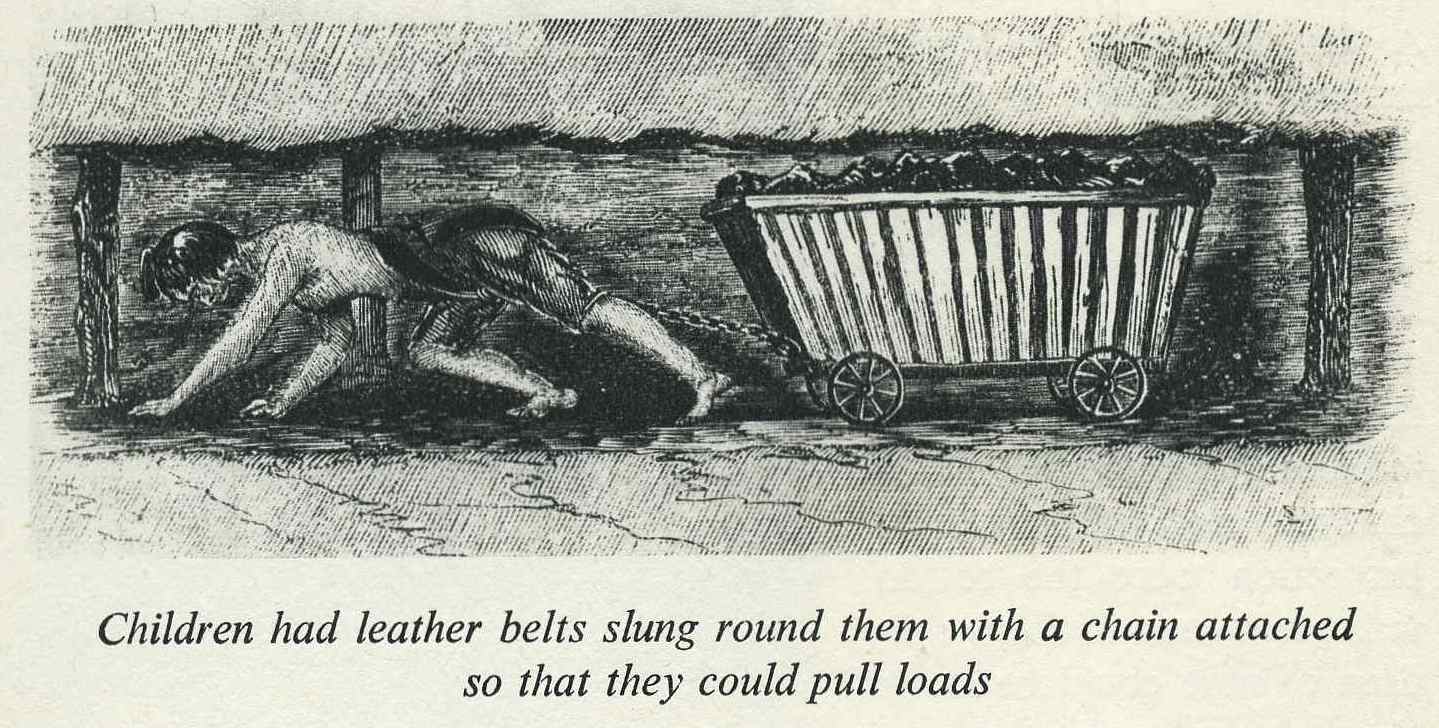
Wage-labor
1819:English Factory Act hearings saw representations of child
labor in mines, a young girl naked to the waste in the hot damp mine shaft
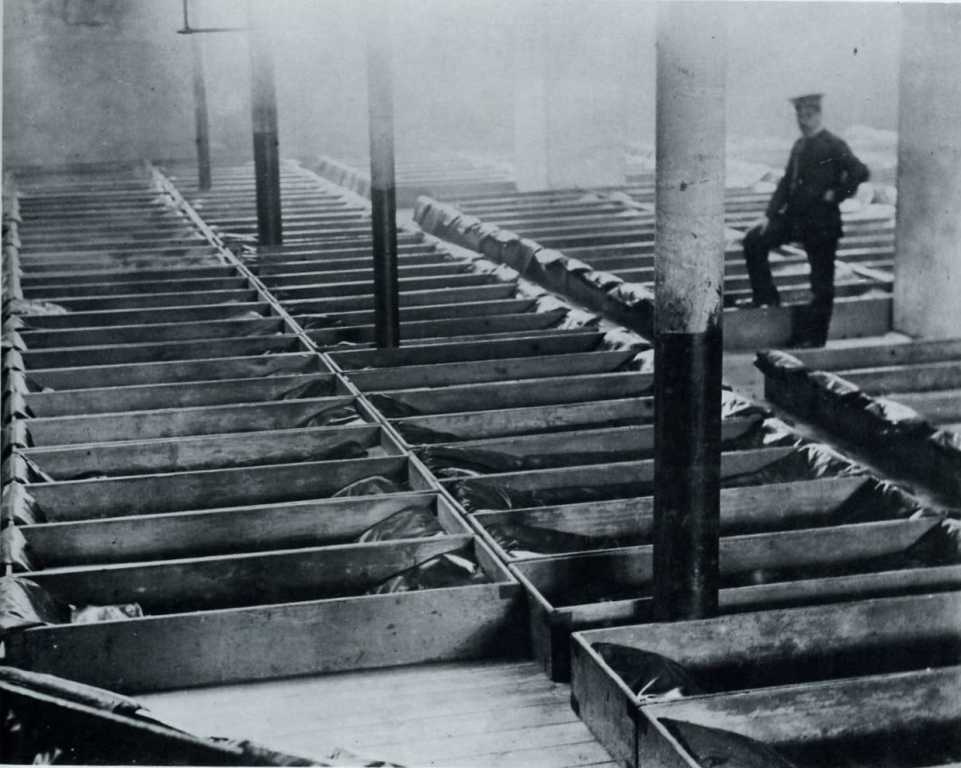
*1900c:London Burne Street Workers' barracks, beds like
coffins
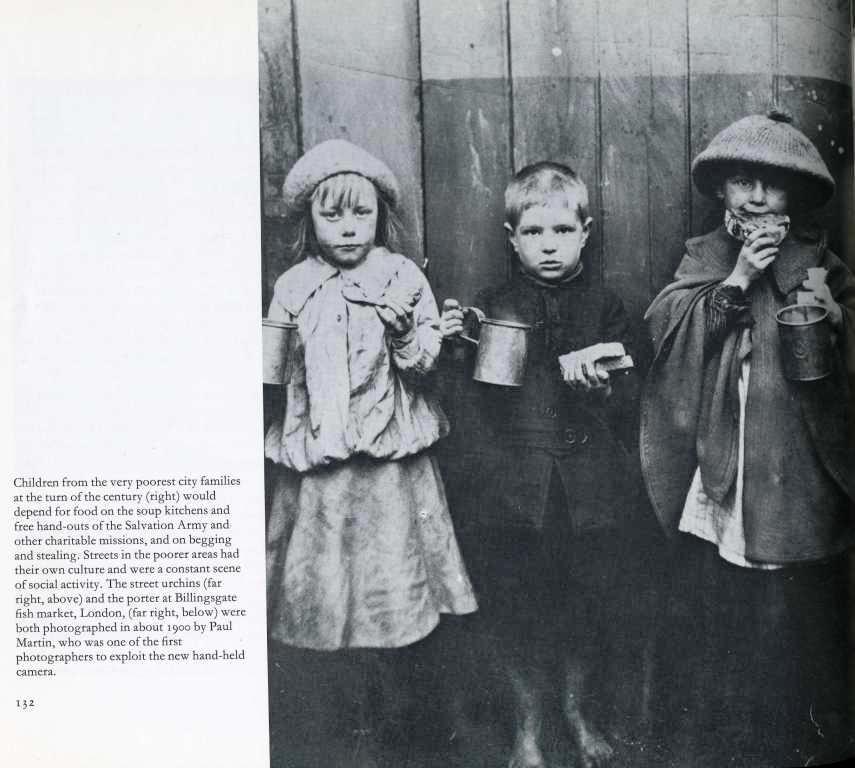
*1900c:London poor children at food kitchen
*1911:A new social pyramid for the
industrial age (as presented by The International Workers of the World)
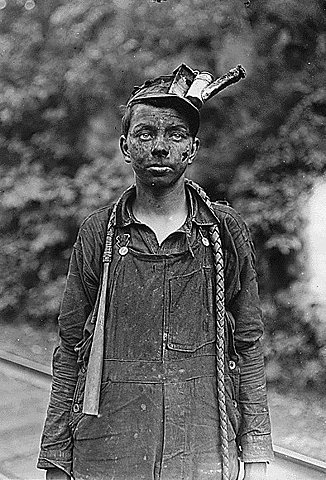
*1912c:West Virginia Brown Mine | Lewis W. Hine's photo of a young driver
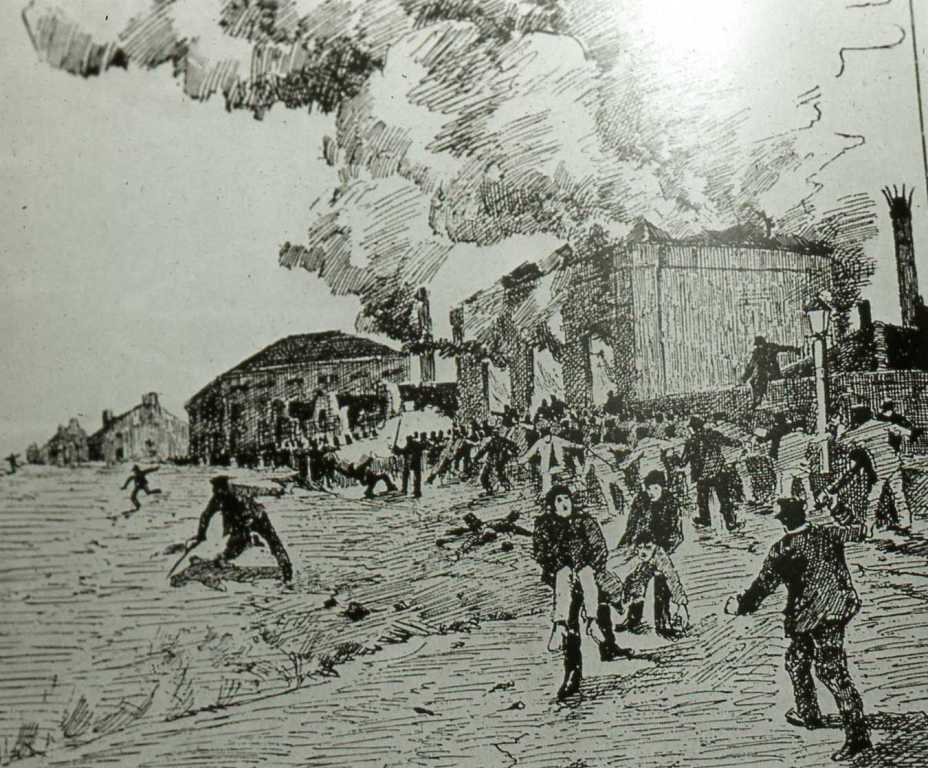
*1886:French workers in violent
strike
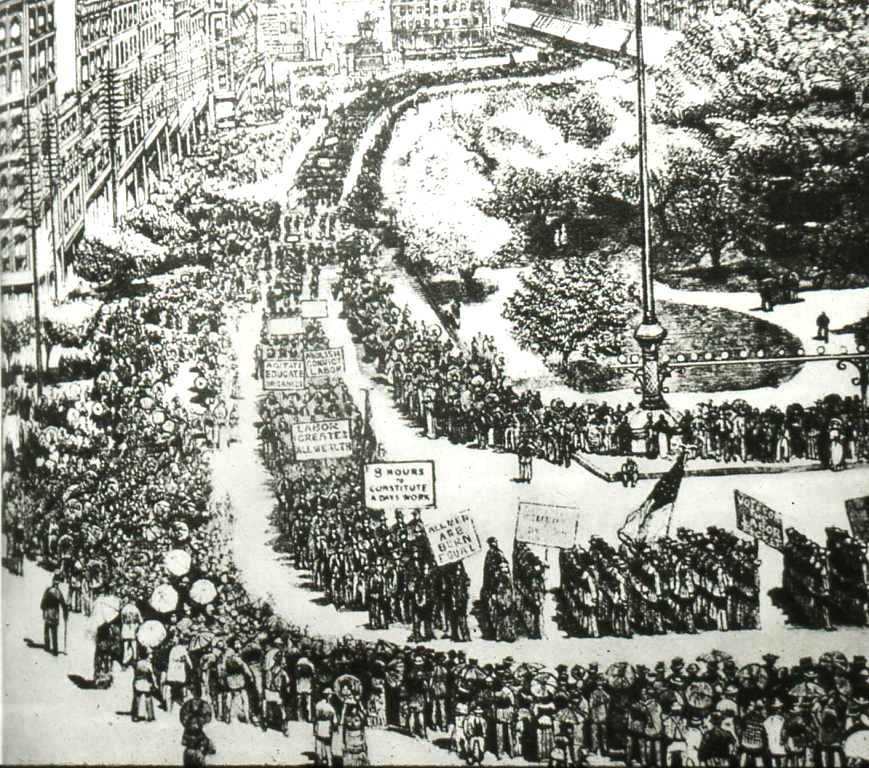
*1882my01:NYC | Workers demonstrate on May Day
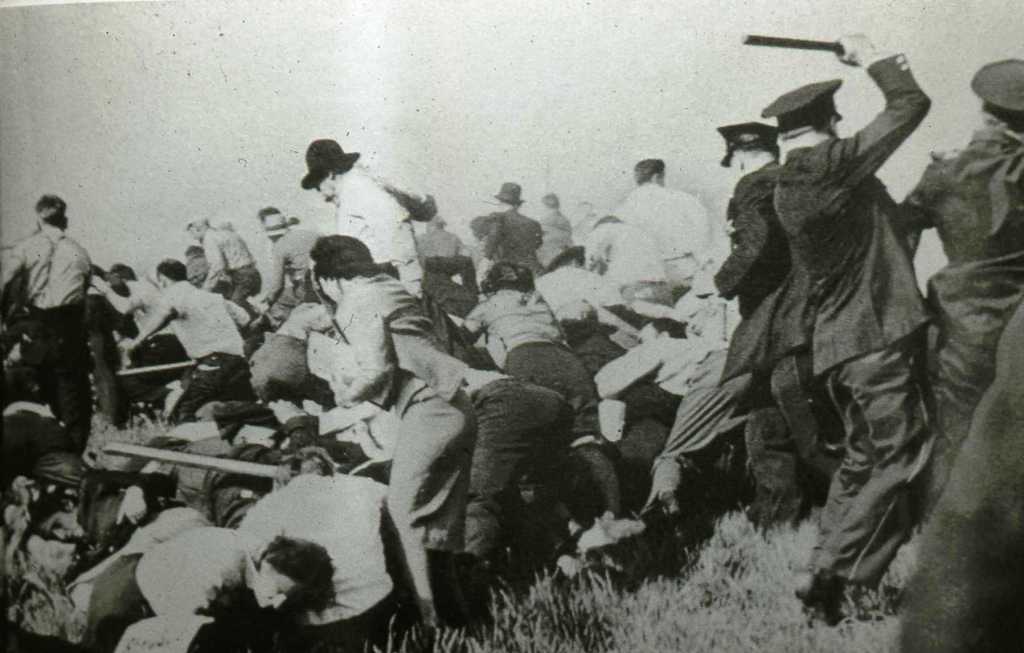
*1937:USA Republic Steel Co. put down strikers with "police" help
Mechanization
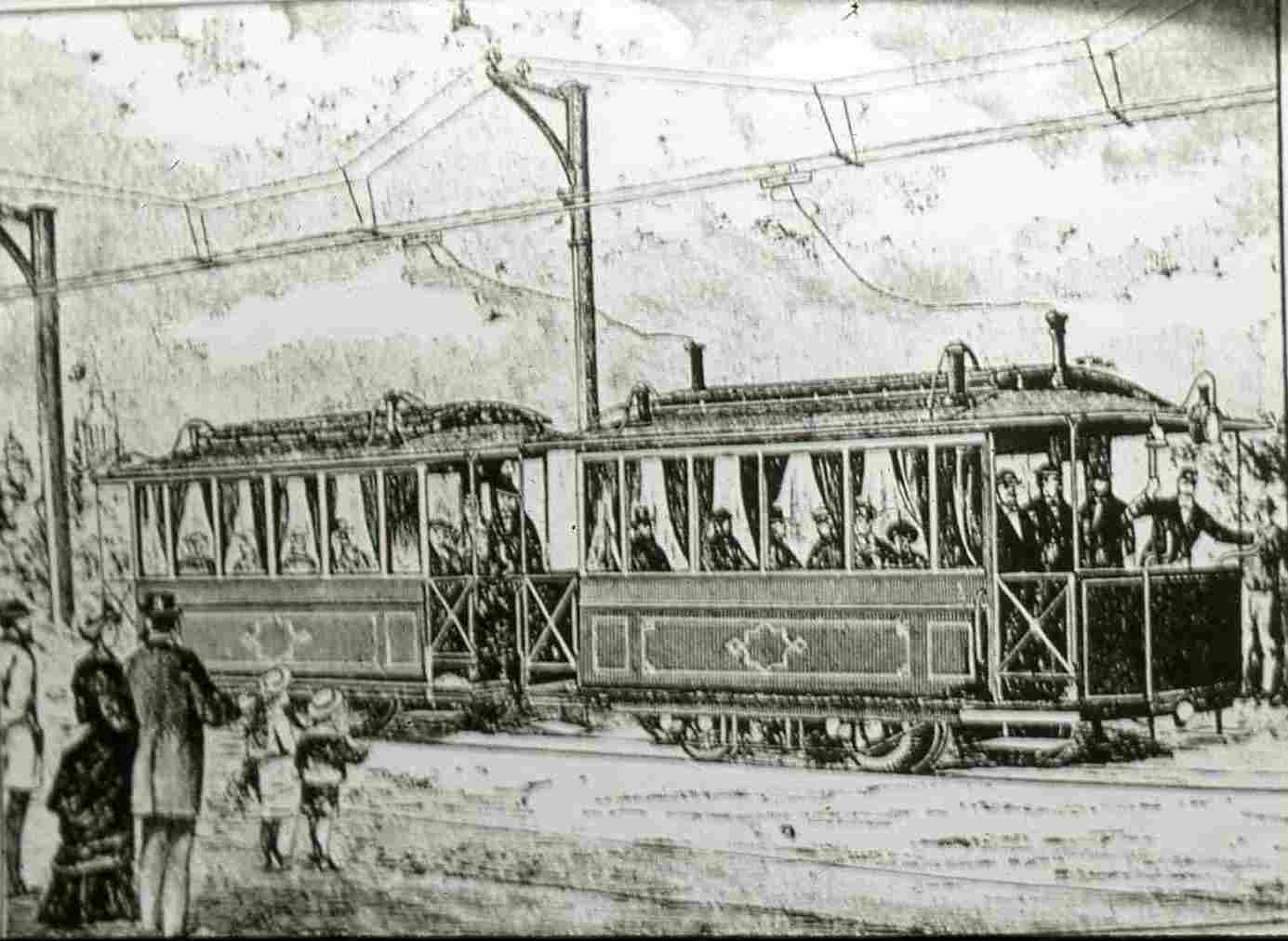
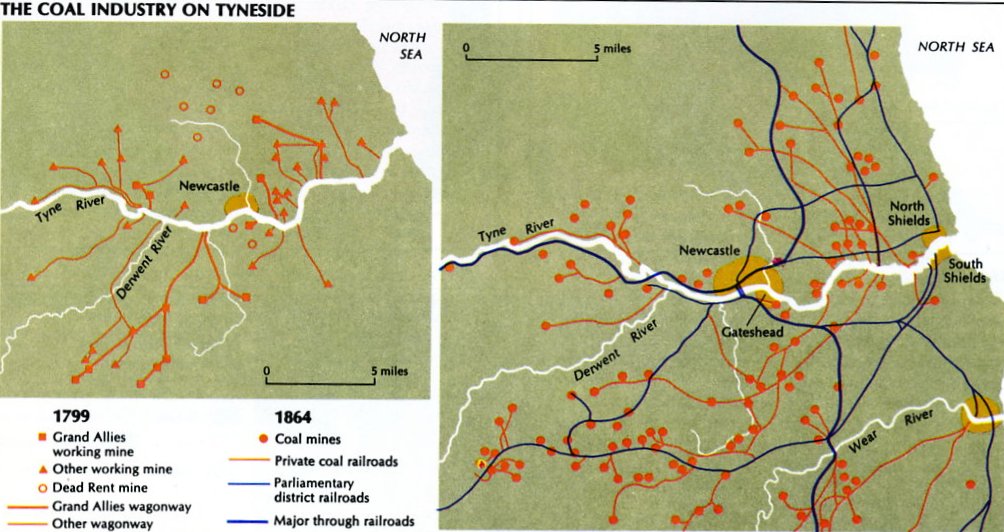
Coal and steam power
*1850:1910; European railroad growth
*1850:Southern England | Railroad
lines [compare with 40 years later]
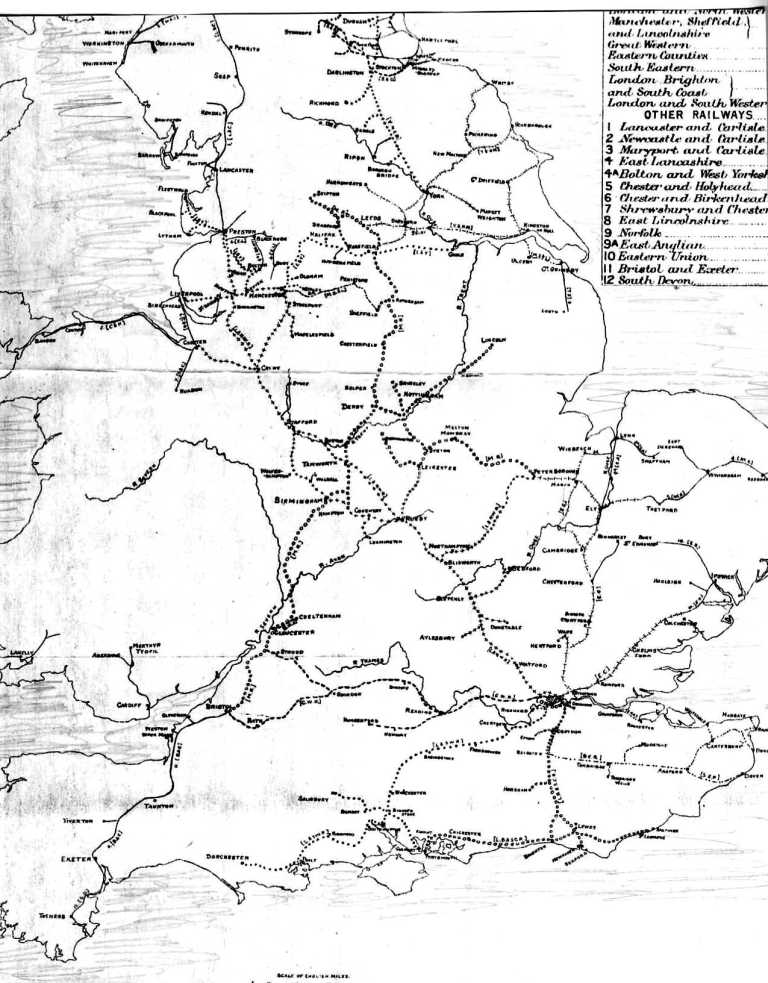
*1890:Southern England | Railroad lines [compare
with 40 years earlier]
*1850:Germany [north central European territories coming under Prussian
control] Railroad network [compare with 30 years later]
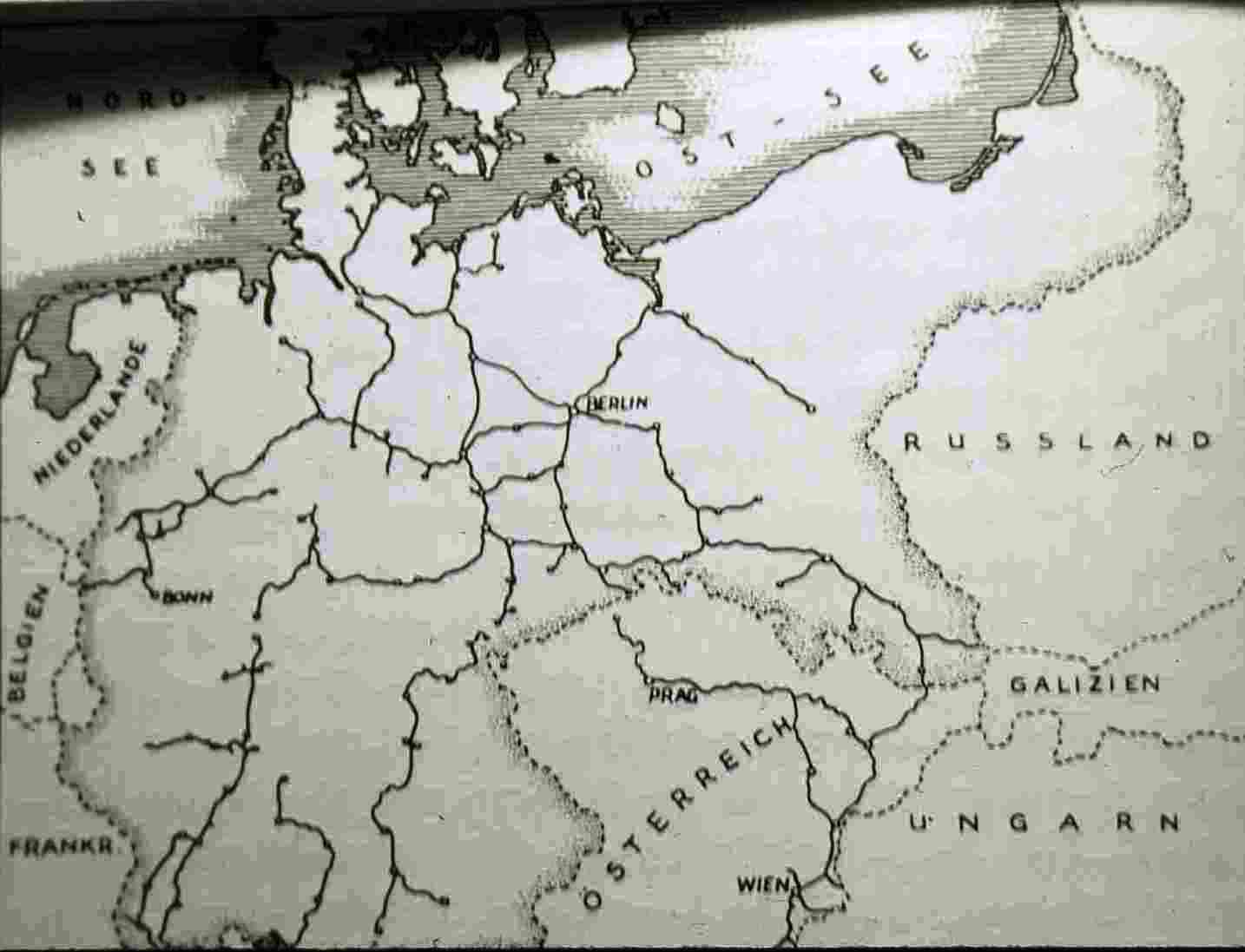
*1880:Germany [north central European territories now united
as "Deutschland"] Railroad network [compare with 30 years earlier]
*1848:west European railroad lines [compare
with 29 years later]
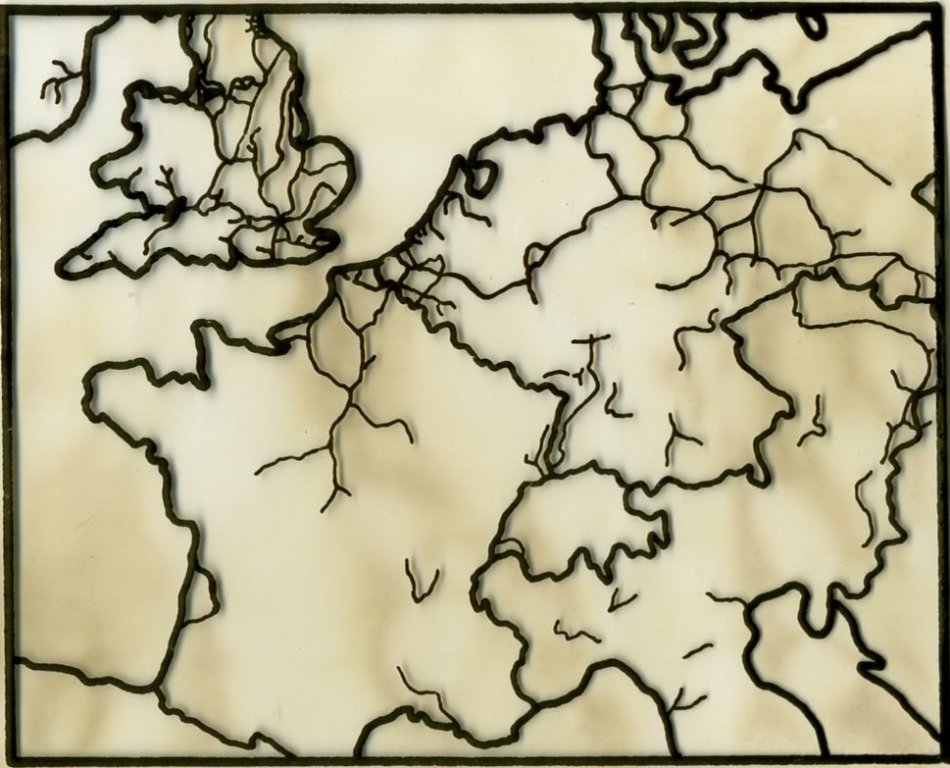
*1877:west European railroad lines [compare
with years 29 years earlier]
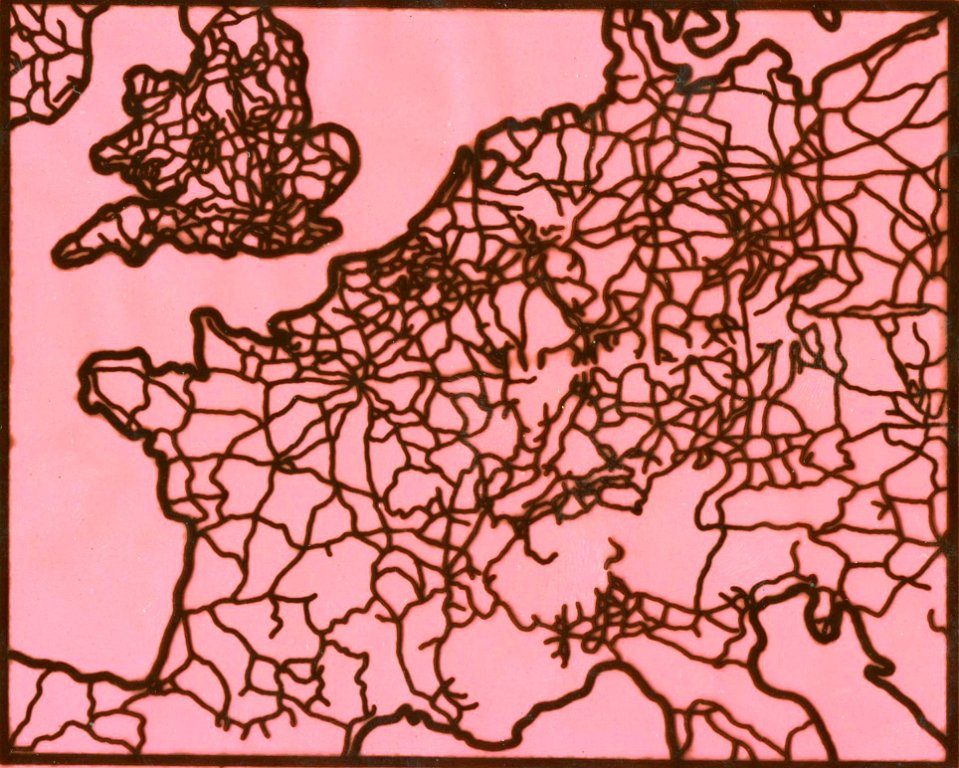
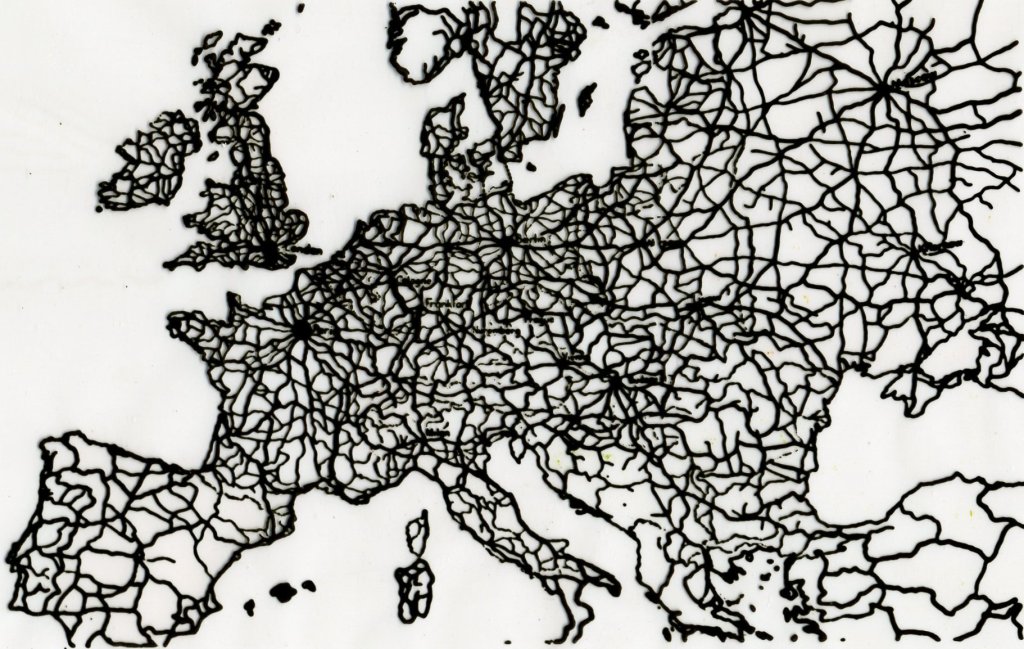
*1850c:European railroads [compare with 1913]
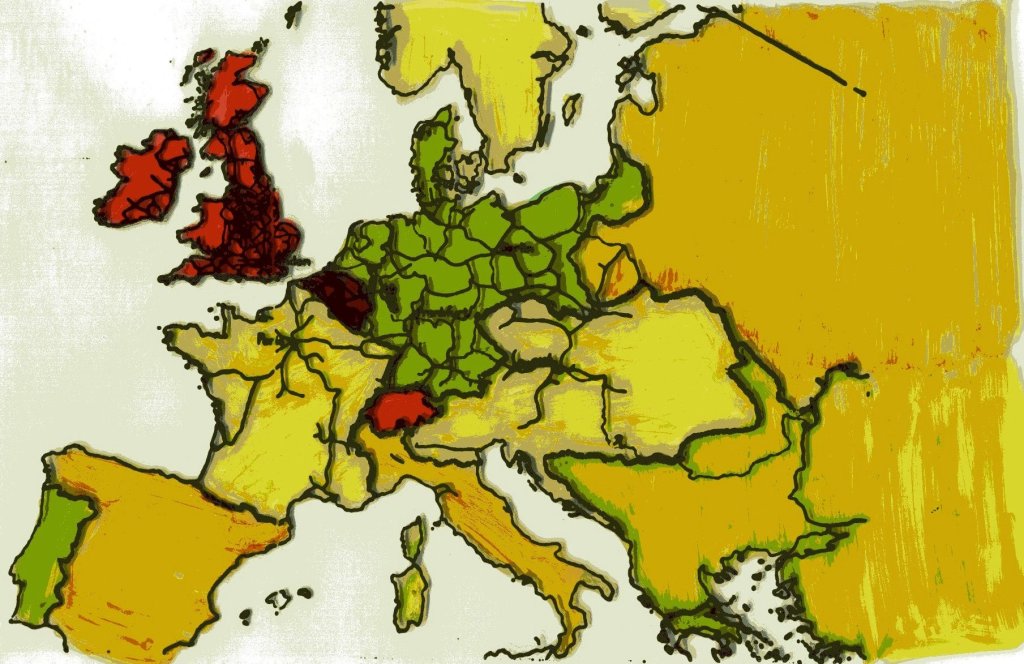
*1913c:European railroads [compare with 1850]
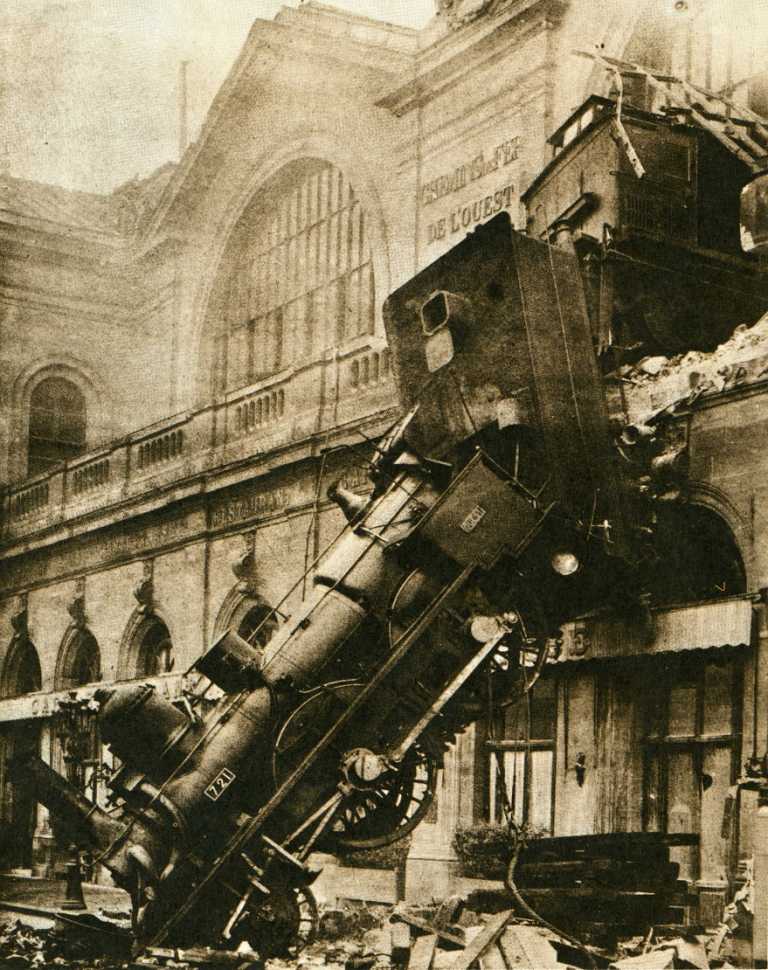
*1900c:Paris "Western Railway Station" overrun by incoming train
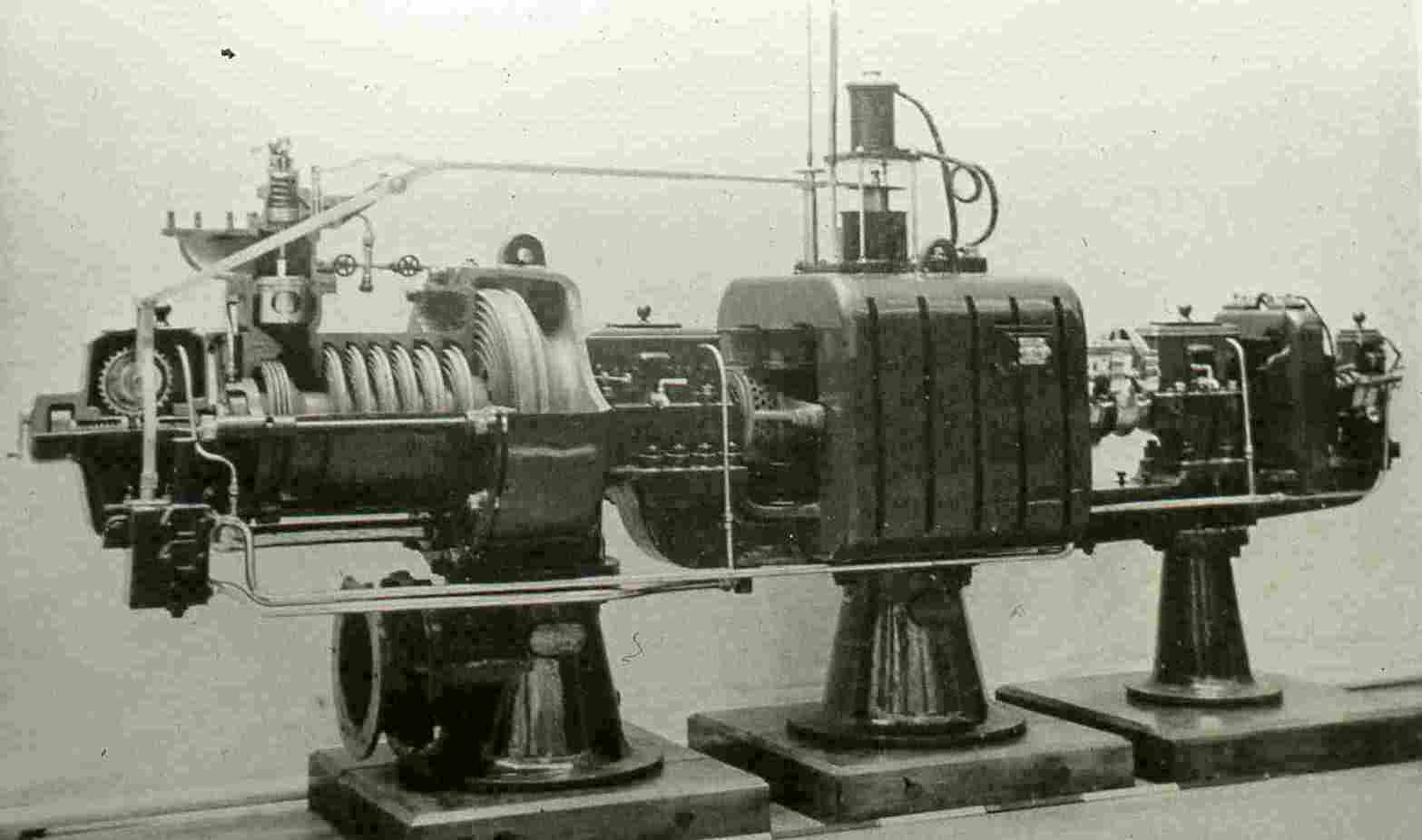
Twentieth-century steam turbine, with cut-away housing (left) to expose vanes (blades that
spin under high pressure)
Petroleum power
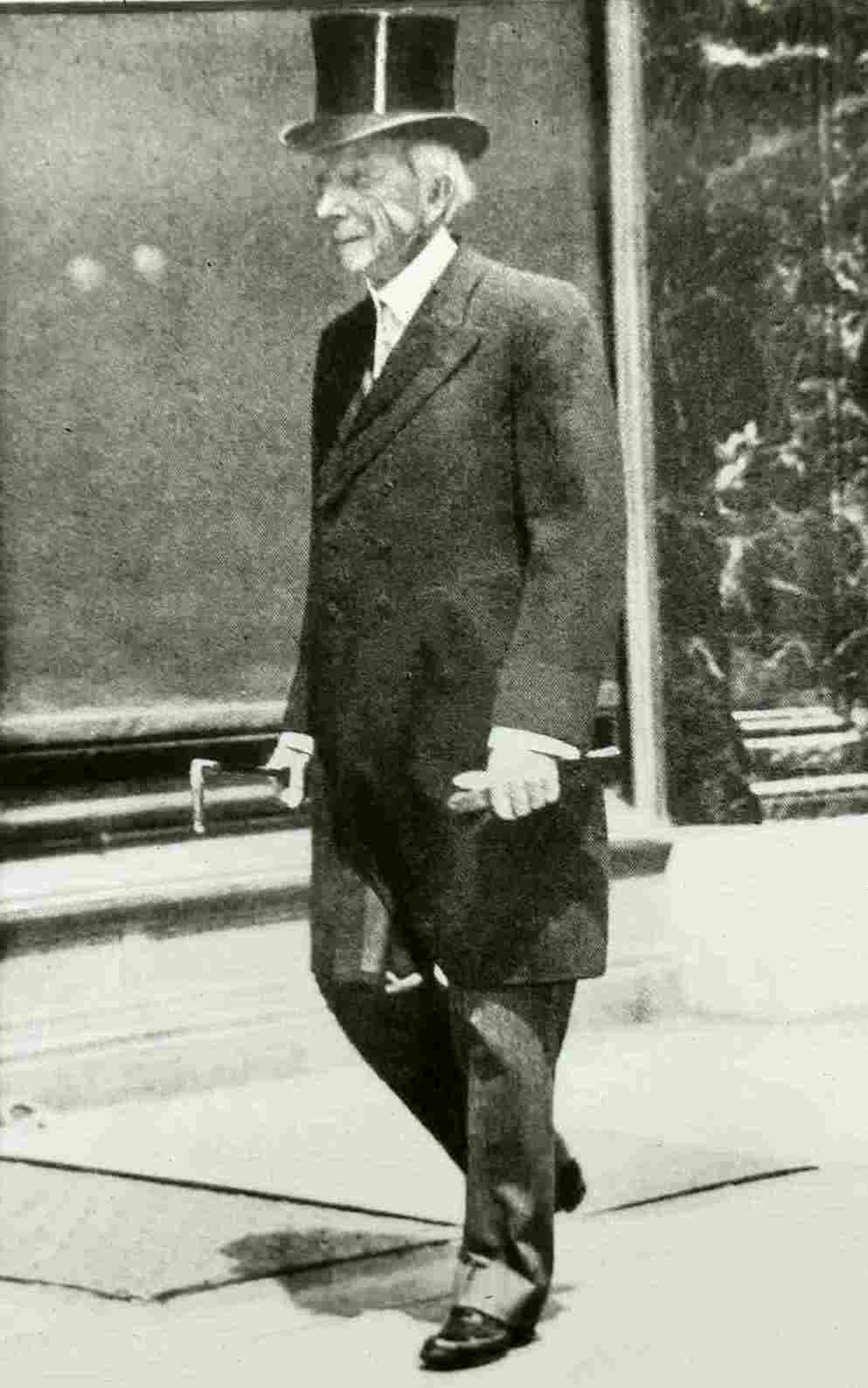
John David Rockefeller in his old age
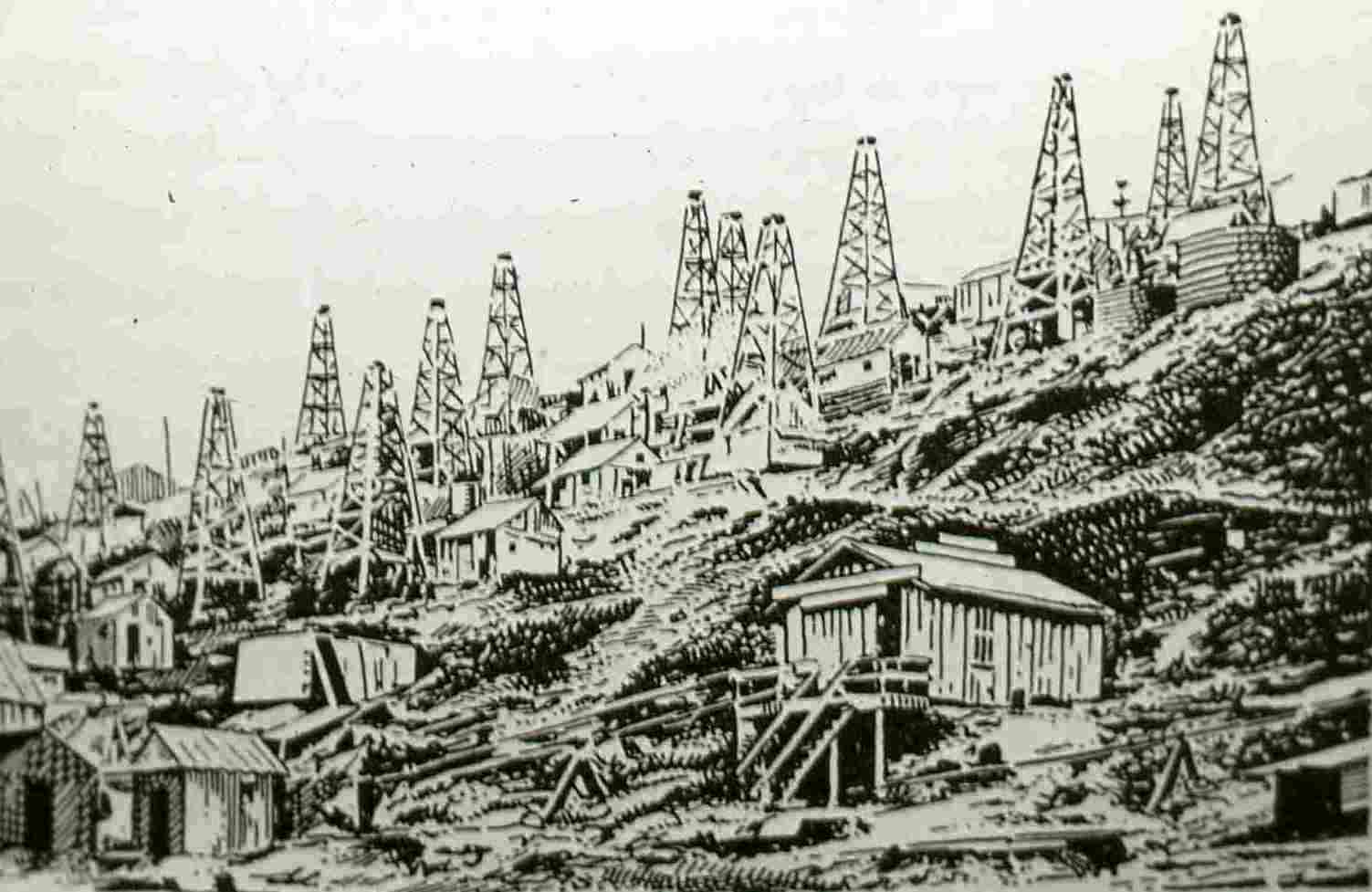
*1865:USA PN | Oil field "Pioneer Run"
*1891:Baku oil fields
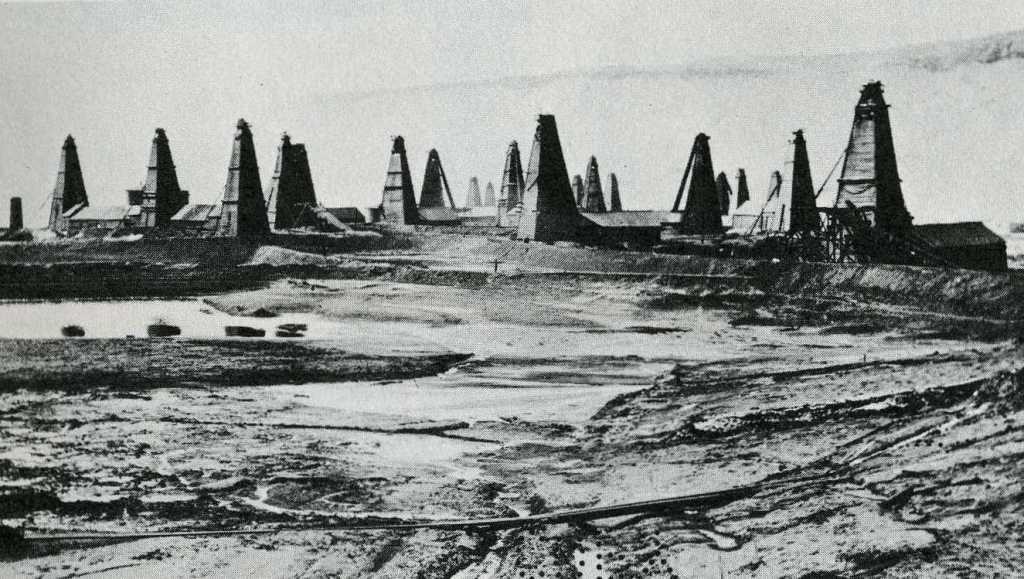
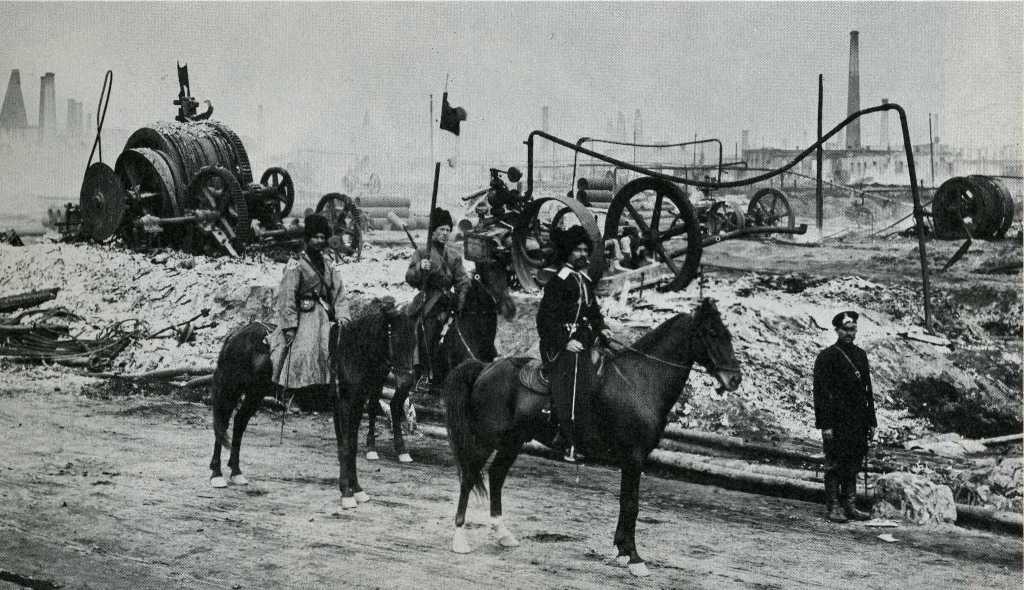
*1905:Baku oil fields of the Nobel Co. patrolled by Cossack
troops after damaging labor strike
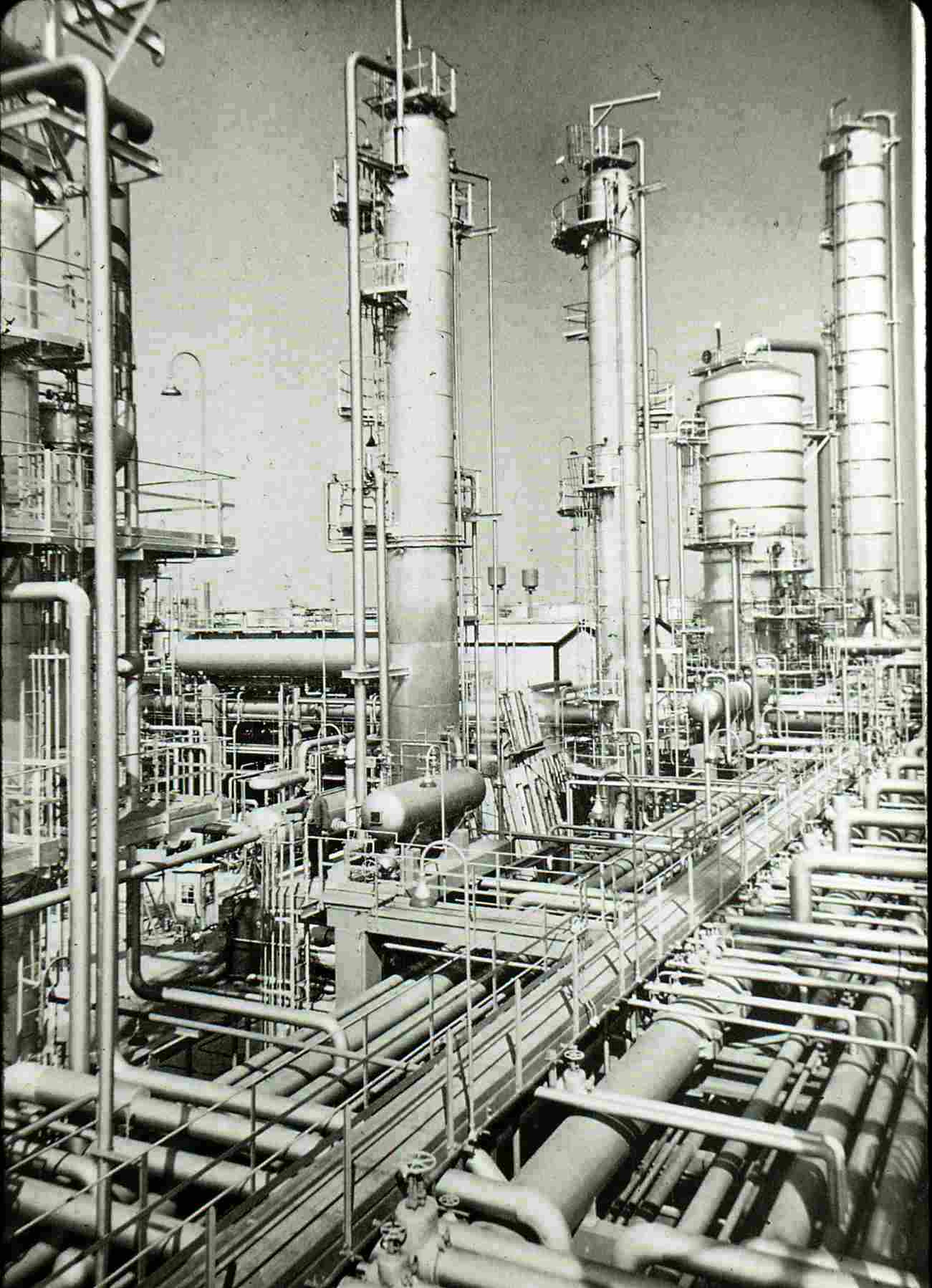
Twentieth-century oil refinery
Steel
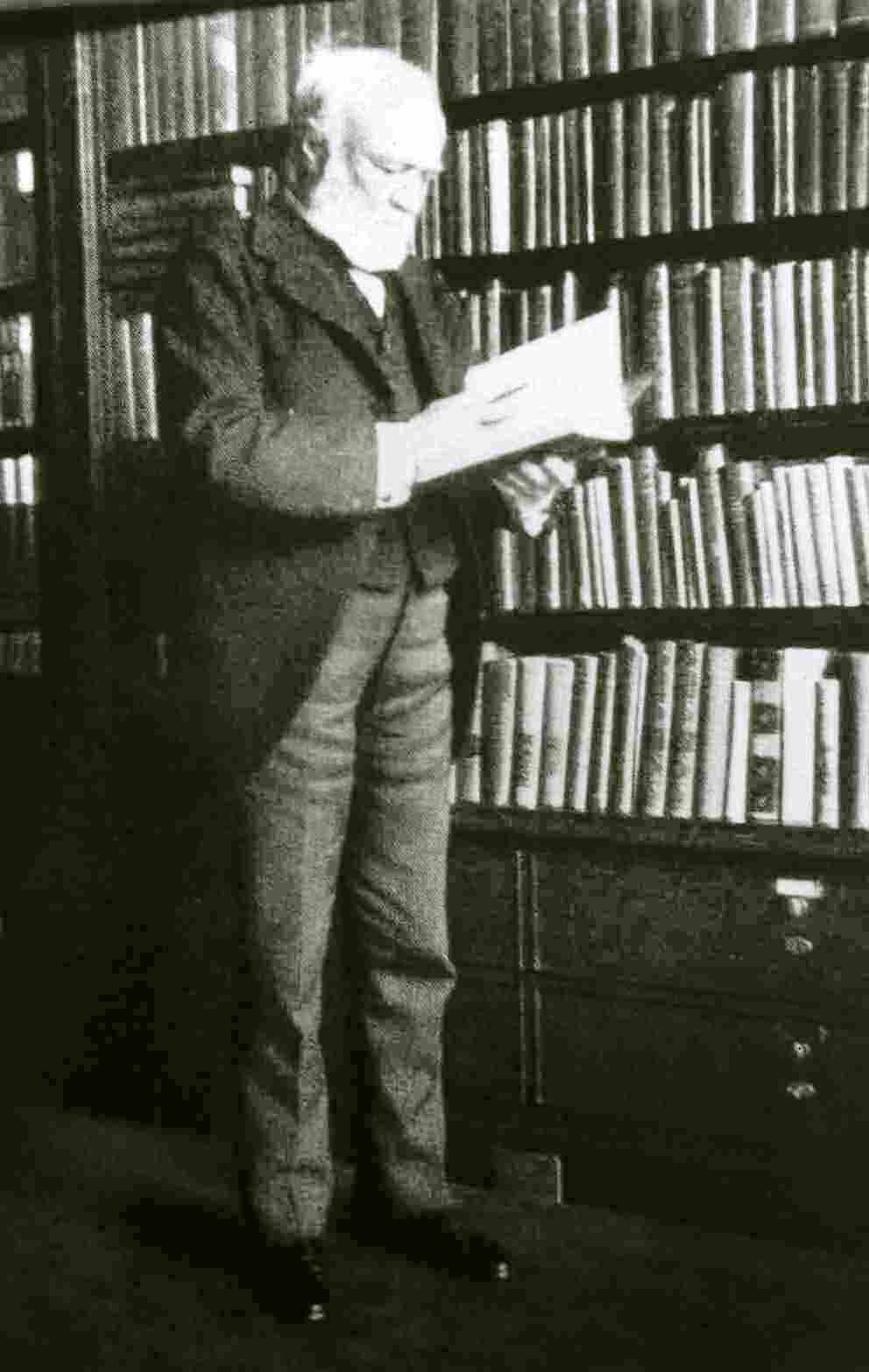
Andrew Carnegie
*1880s:Germany, Essen | Krupp industries Bessemer converters in action
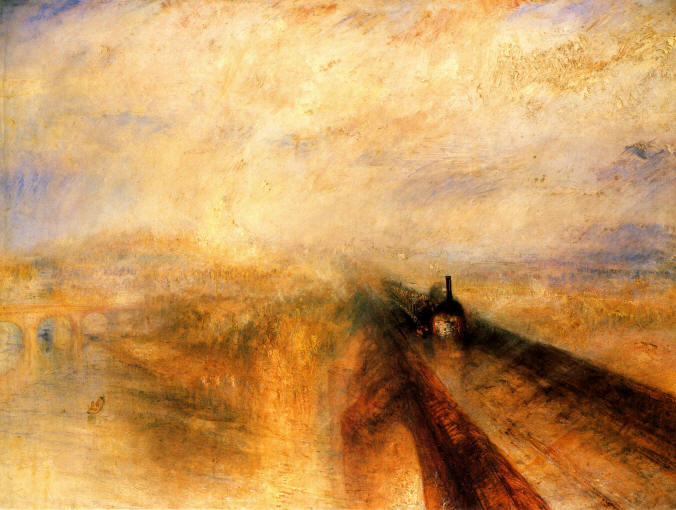
Turner's vision of the railroad = "Rain, Steam and Speed: The
Great Western Railway"
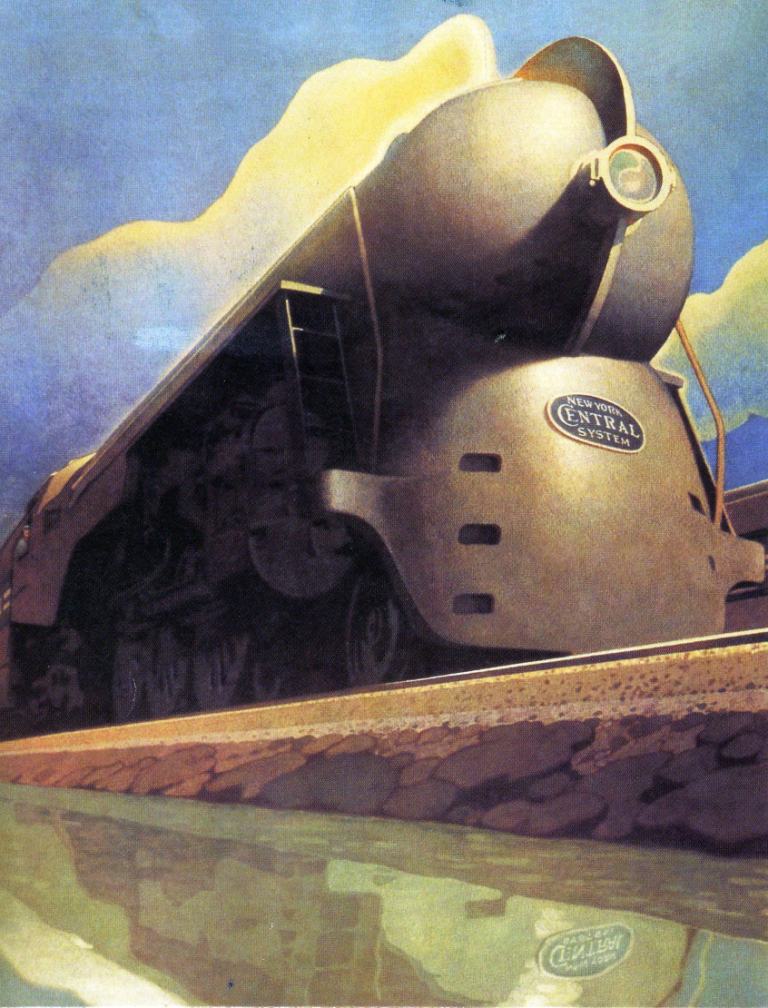
*1930s:The idealized 20-th c. railroad
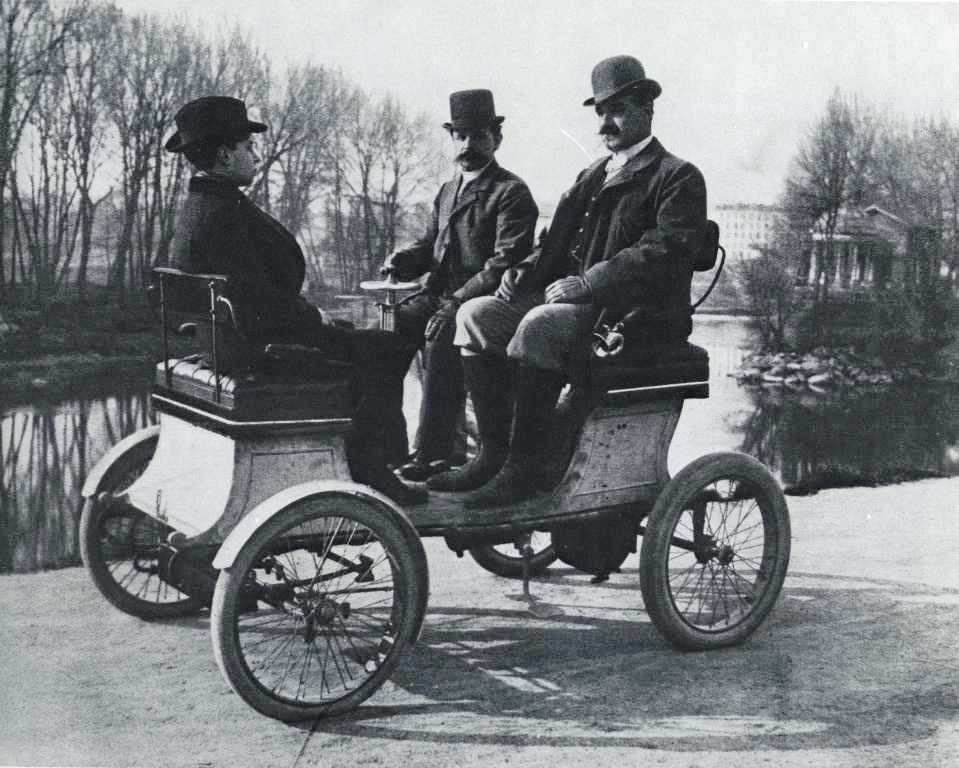
Internal combustion engine
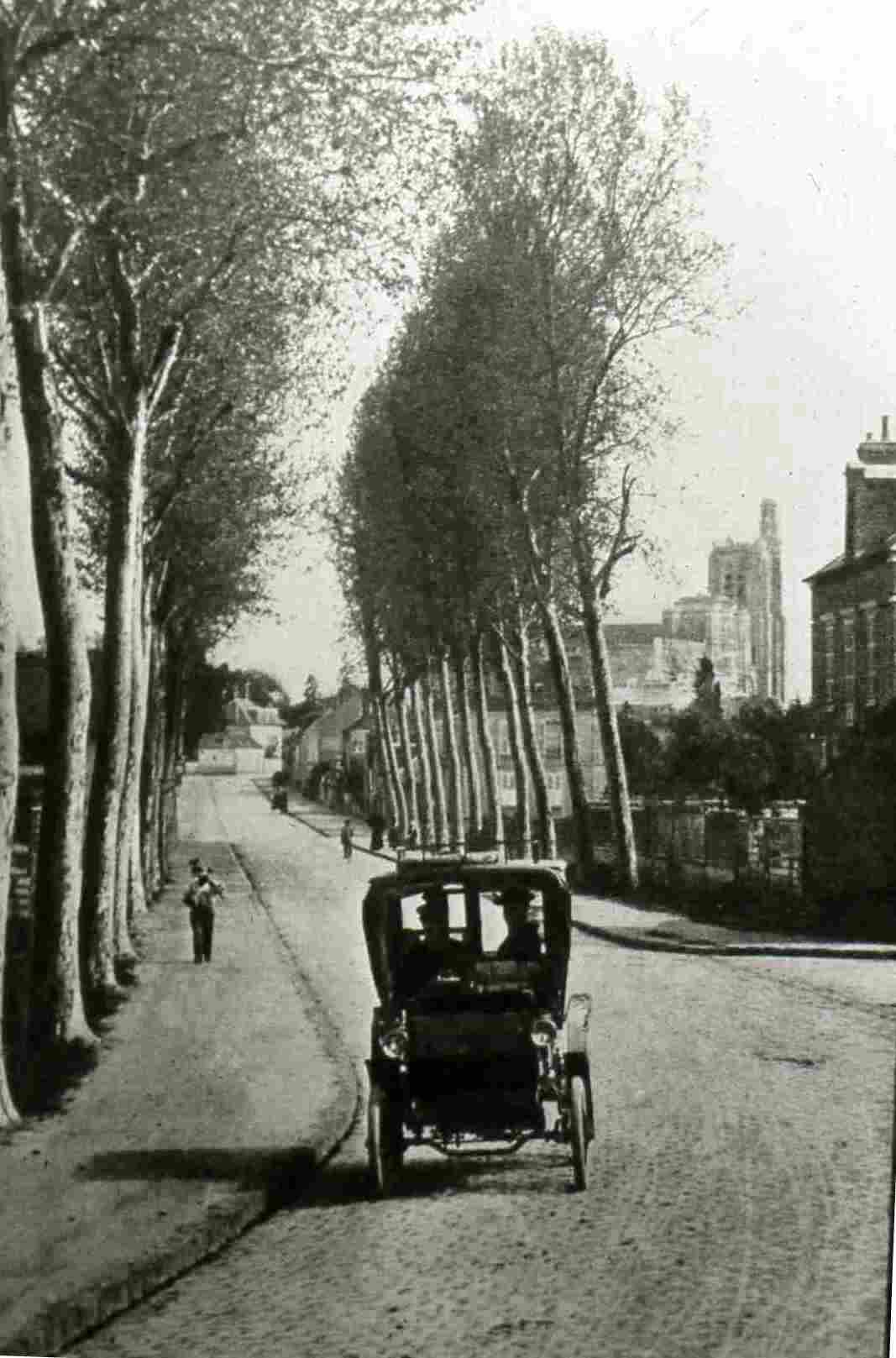
*1900je:Italian inventor Lancia Vencenzo drives his automobile
*1931:Cadillac V-16 [ID]
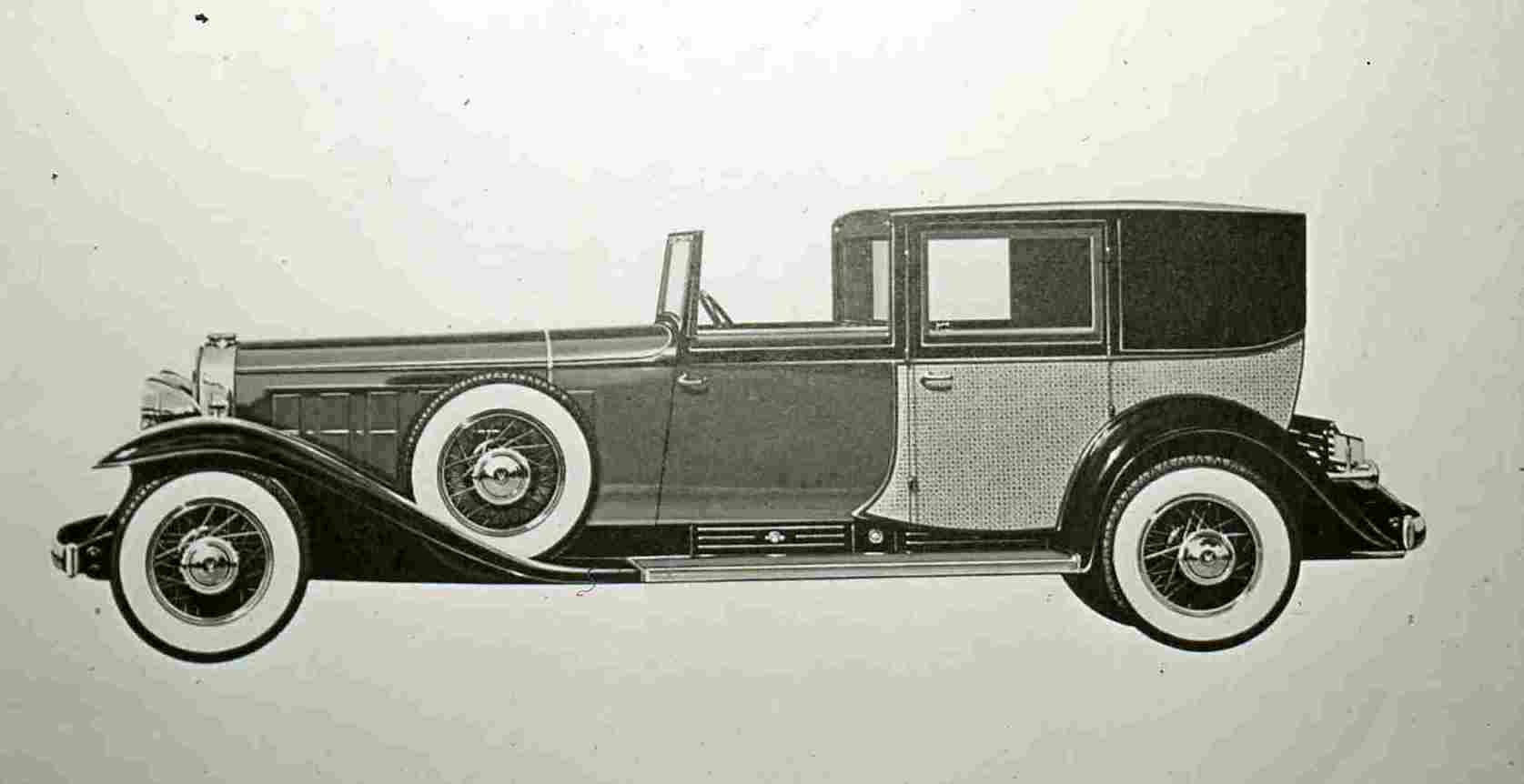
Who was Cadillac? [ID]
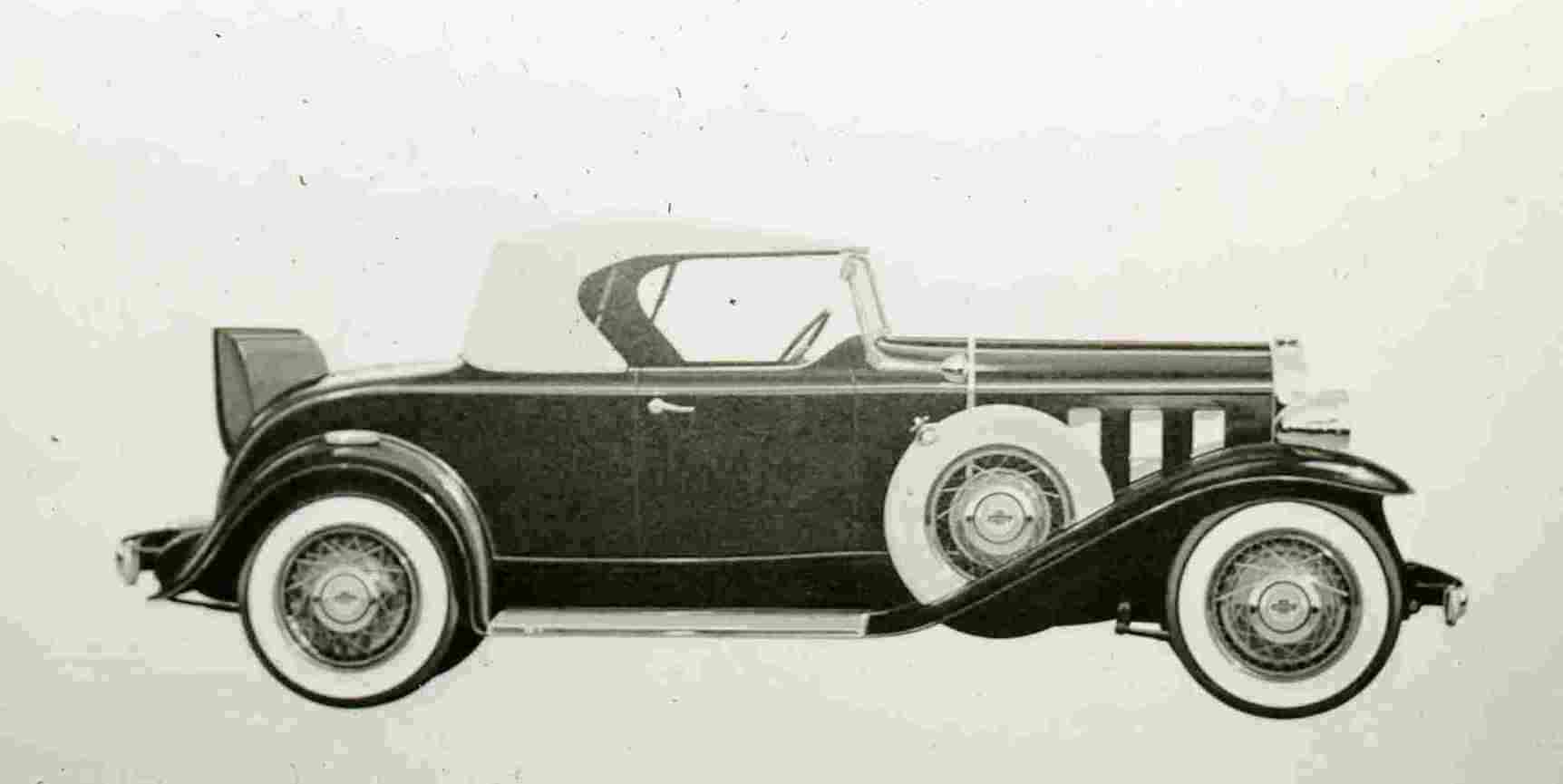
*1932:Chevrolet
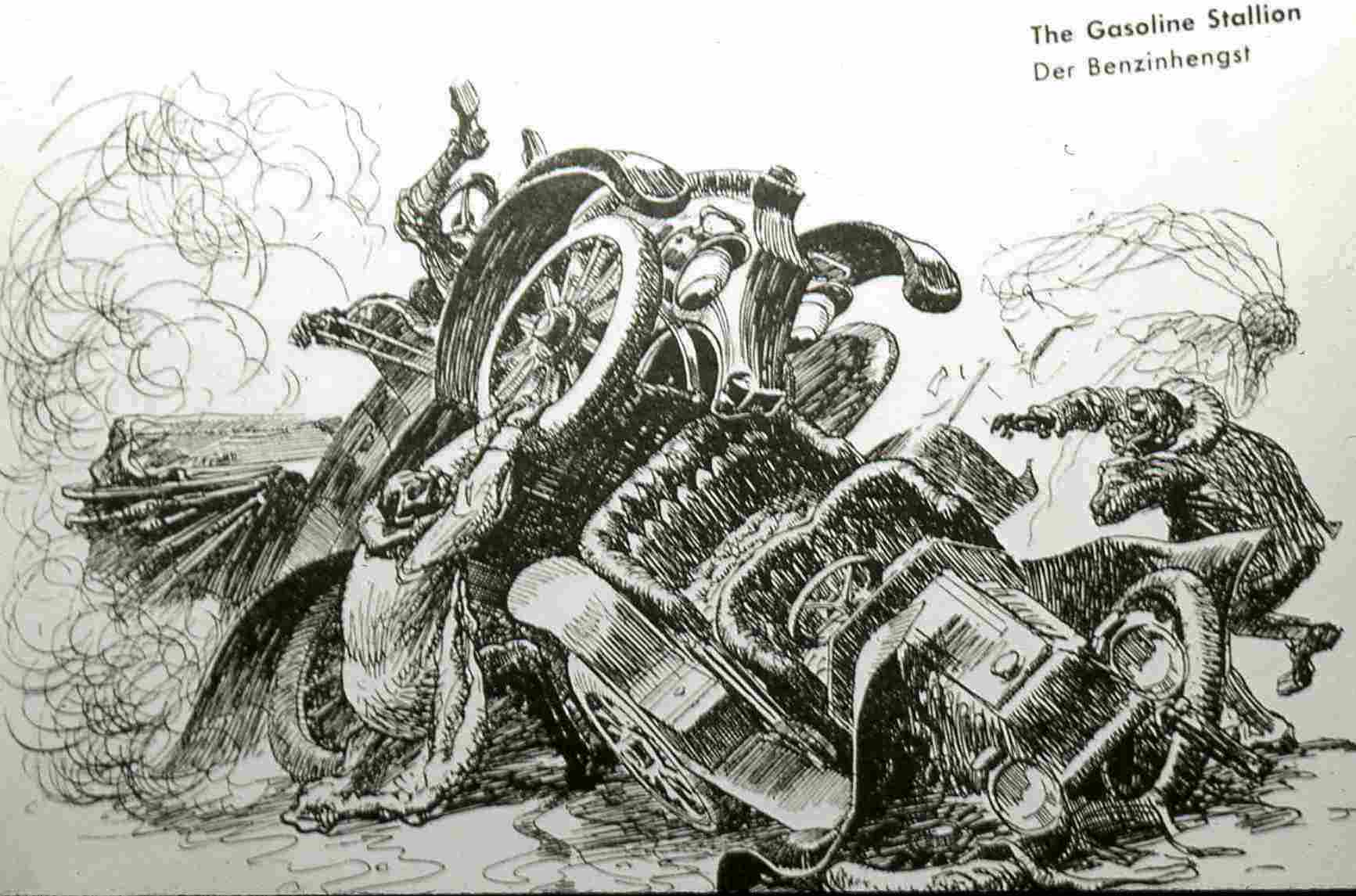
Swiss/German artist Paul Kley
[ID] cartooned the automobile as "Der Benzinhengst" [The Gasoline Stallion]
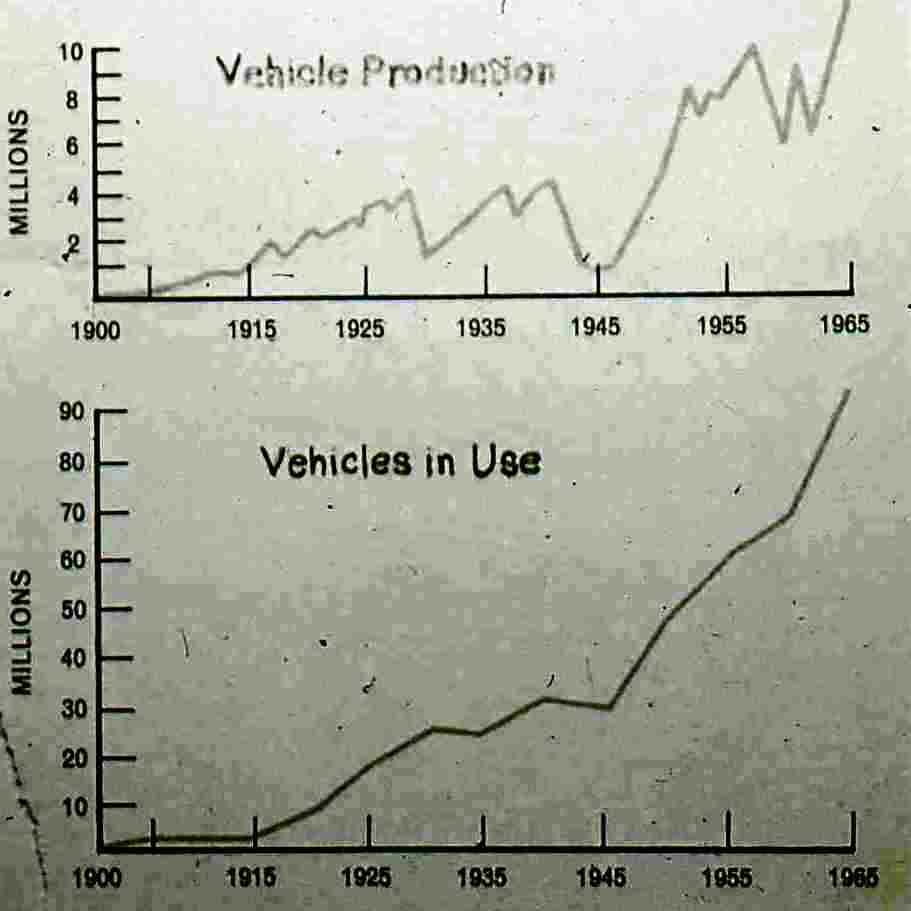
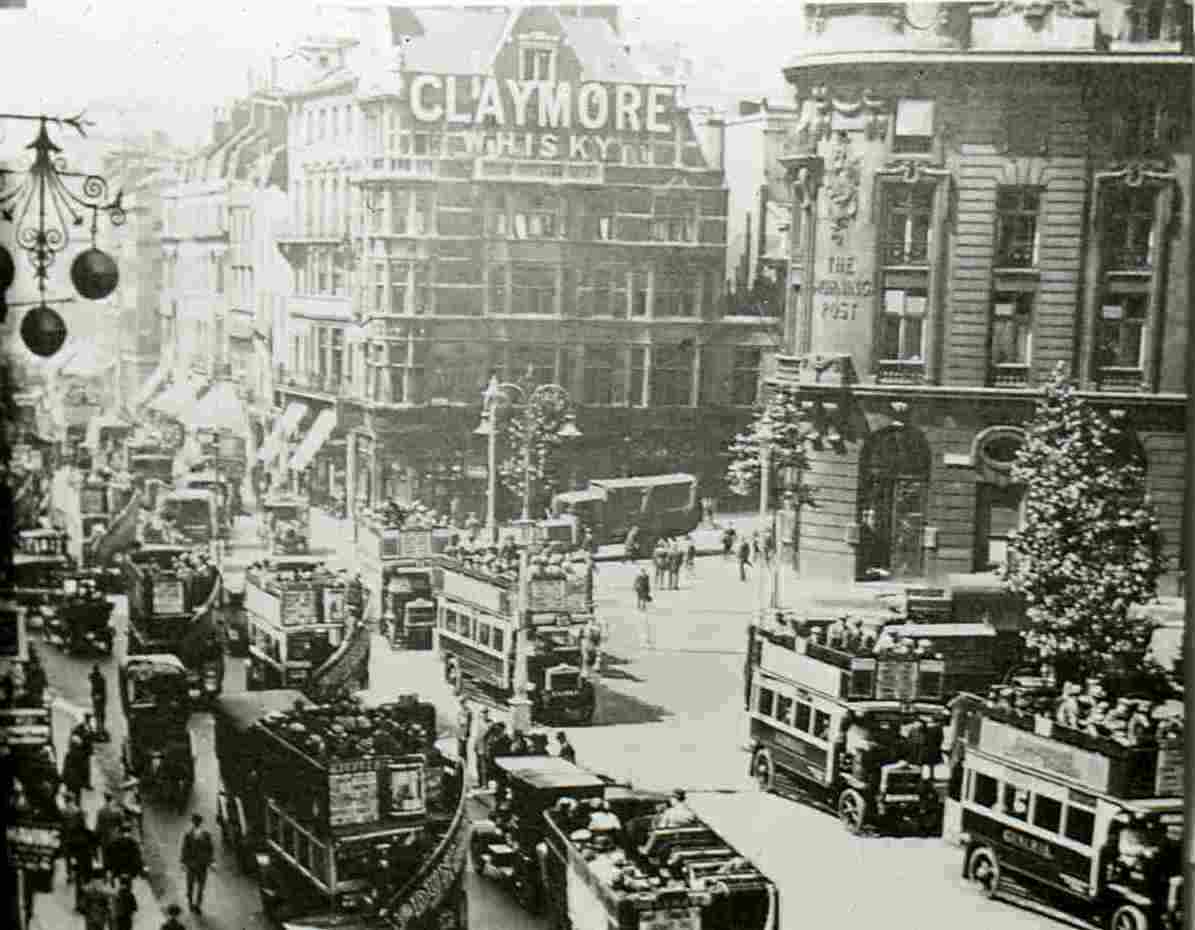
*1930c:London traffic, largely busses
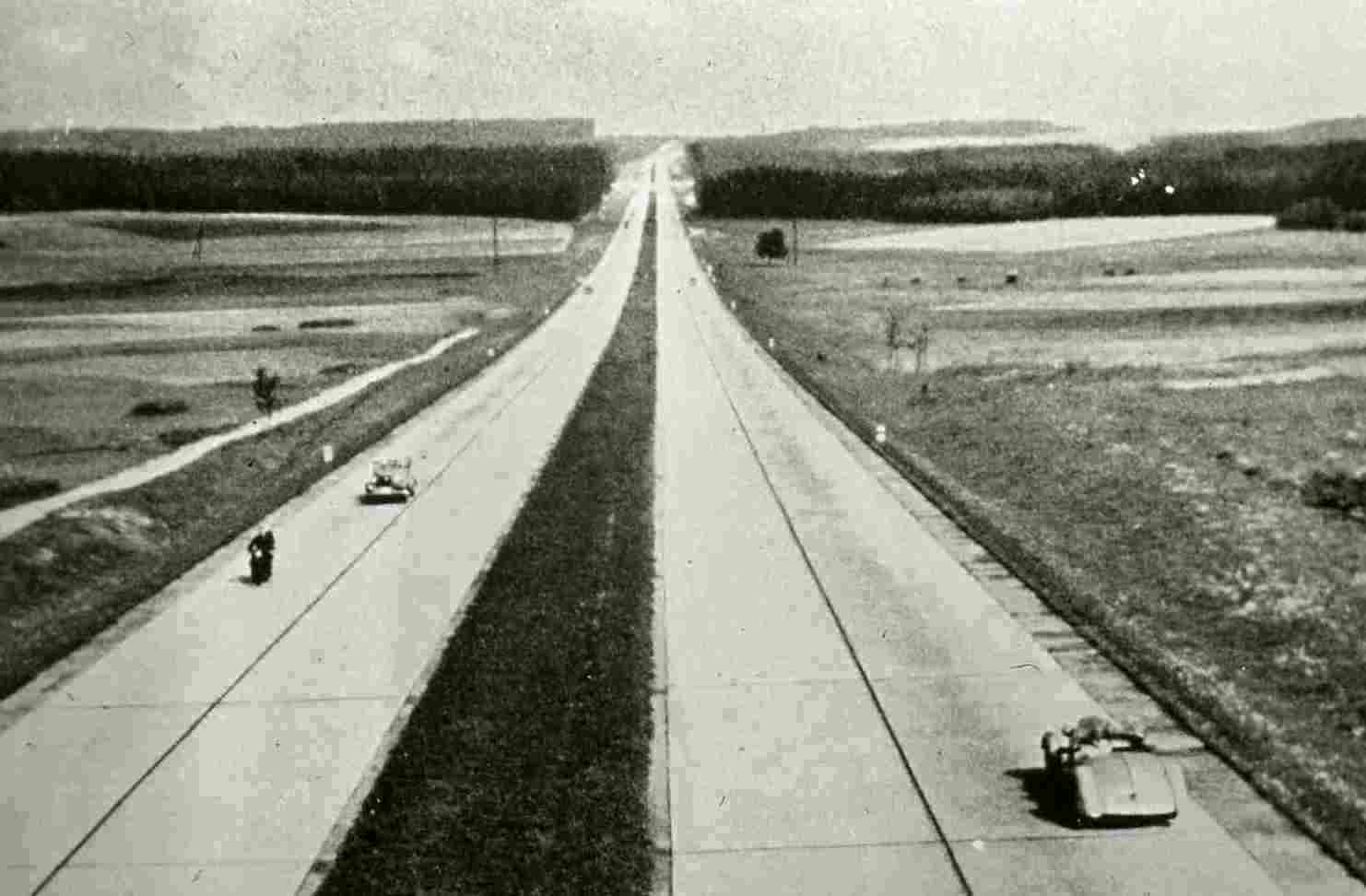
*1934:German Autobahn newly completed
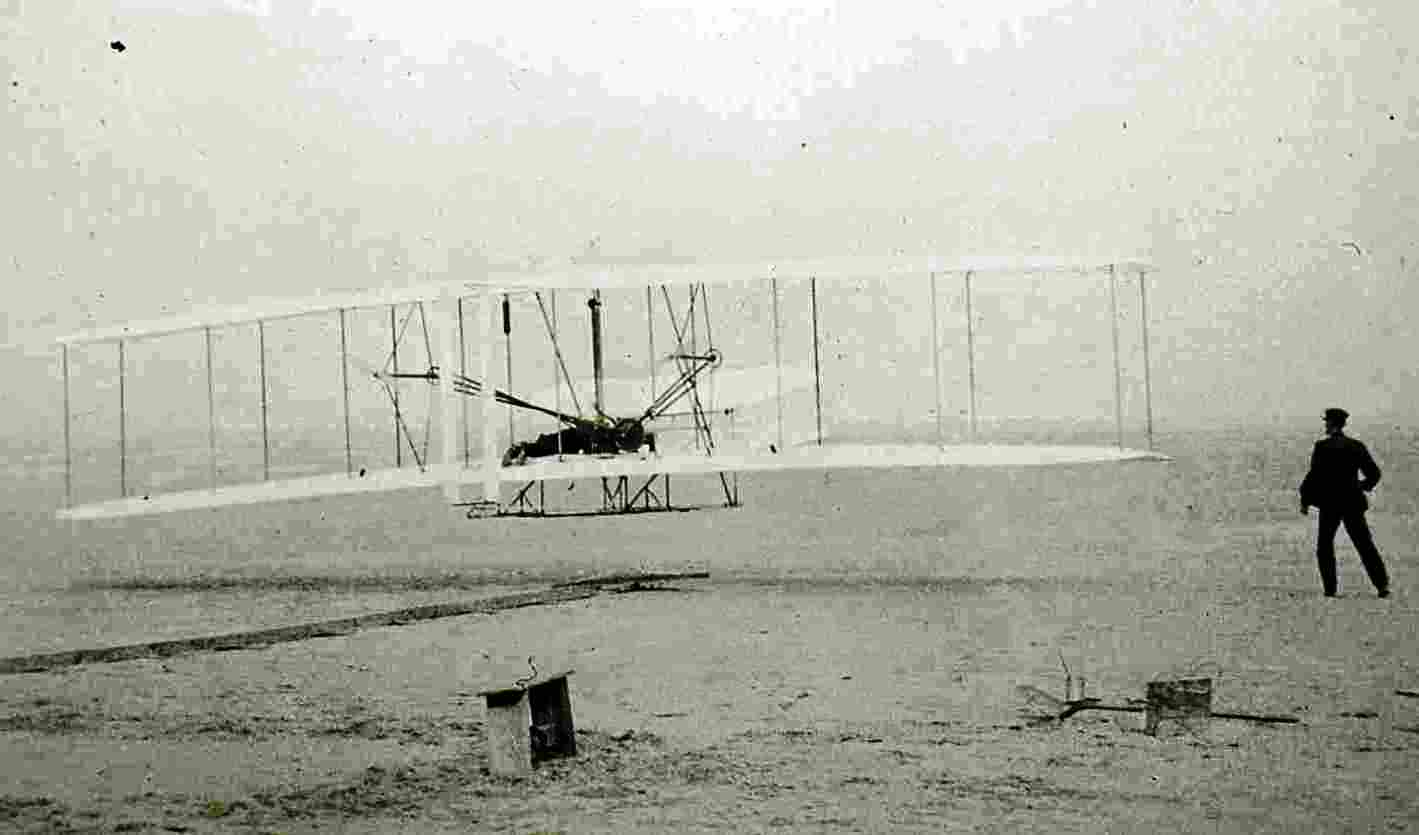
*1903:USA | Wright brothers make their first flight
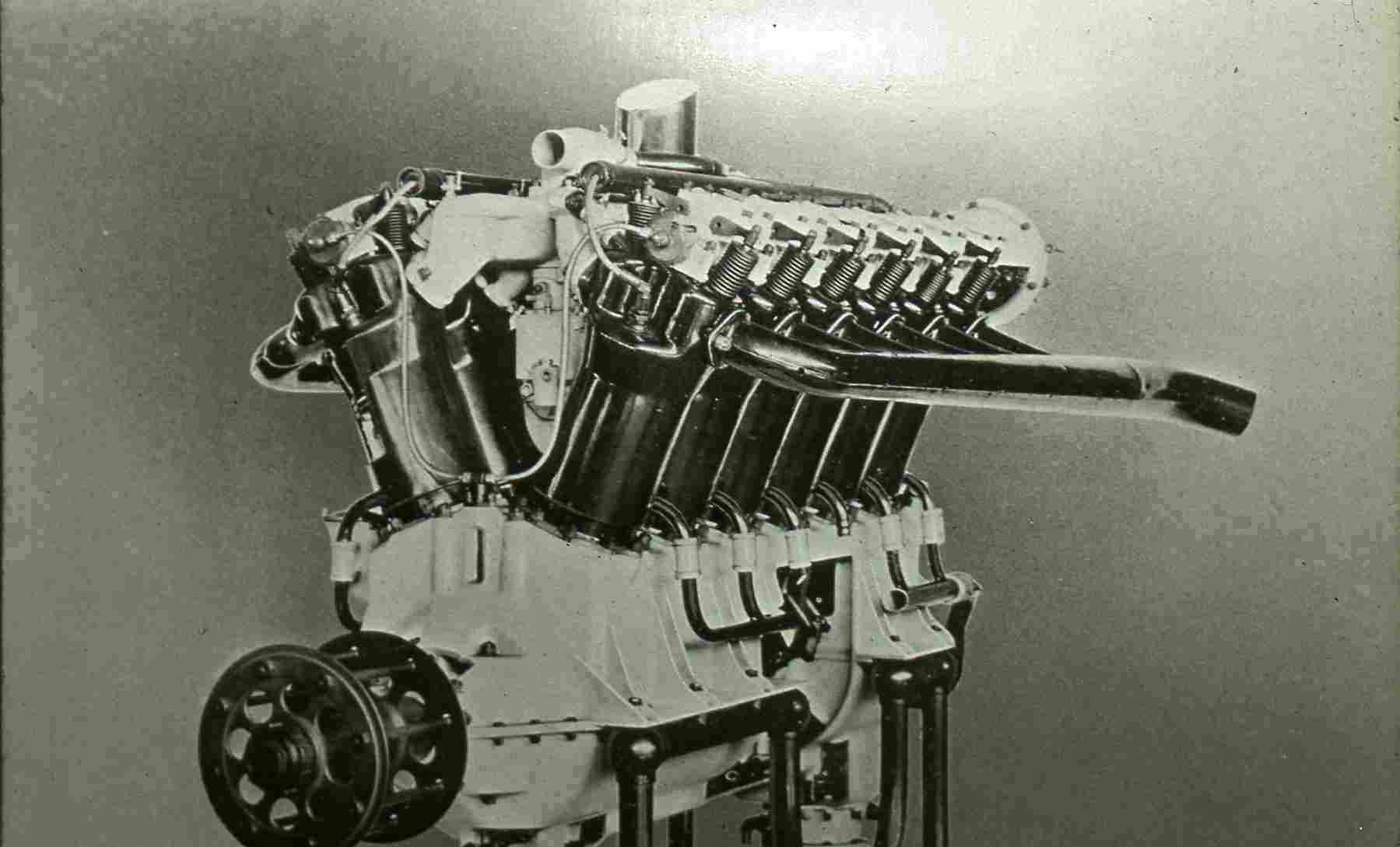
Liberty engine, V-12
Construction
1831:1864; Isambard Kingdom Brunel [W#1]
[W#2]
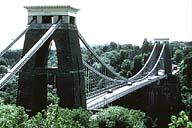
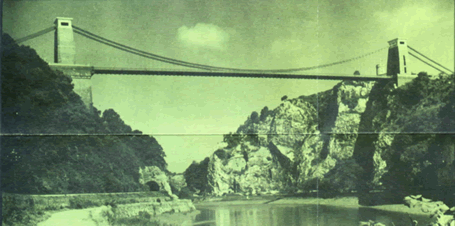
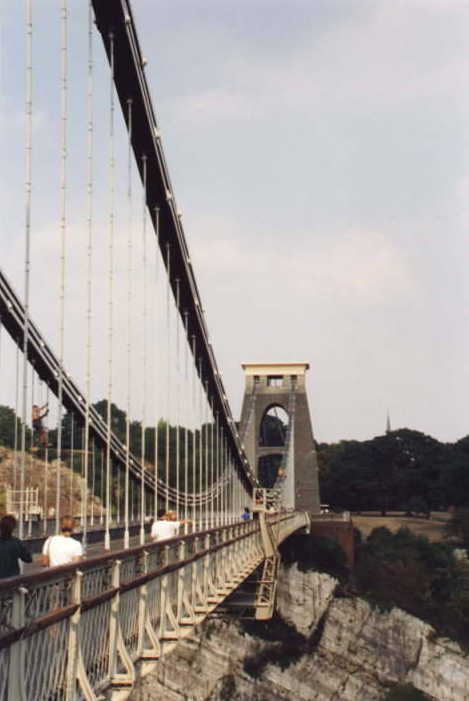
[W#3 Clifton Bridge
time-laps photo with "commercial-culture" pop-ups] [SAC]
Four views of the Clifton Bridge
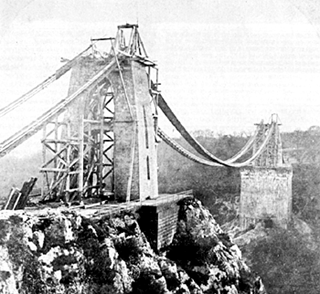
Clifton bridge under construction, designed and built by Isambard Kingdom Brunel
*1927:Charles Sheeler photographed the Ford Motor Company River Rouge Plant
[W]
[W
TXT = Sharon Corwin article (with many illustrations) on the relationship of
artistic "Precisionism" (of which Sheeler was a prime example)
with scientific management
[ID] and what she calls the effacement of labor]
1930:Charles Sheeler, "Classical Landscape"
[ID] =

[W
= 1930:Charles Sheeler, "American Landscape"]
[W
= 1936:Charles Sheeler, "City Interior"]
[W = 1939:Charles Sheeler, "Steam Turbine"]
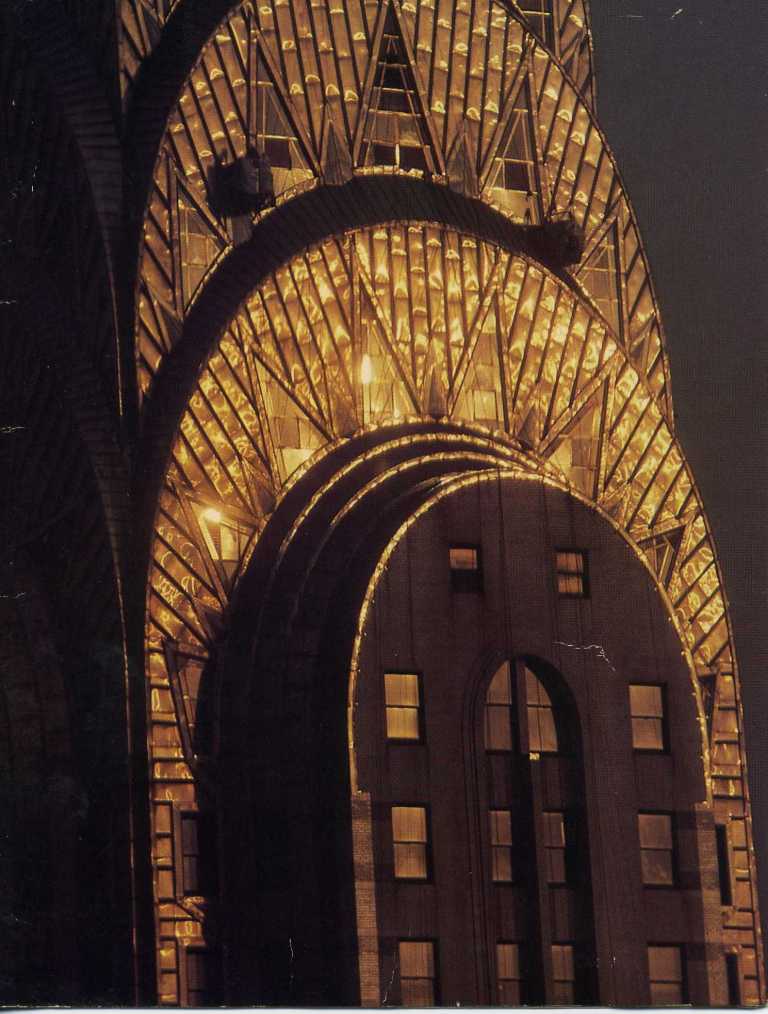
New York City, the Chrysler Building
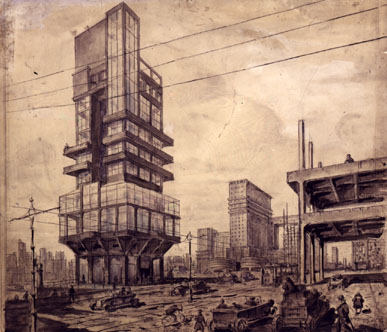
*1927:Soviet architectural visionary, Rudnev, imagined the
future city
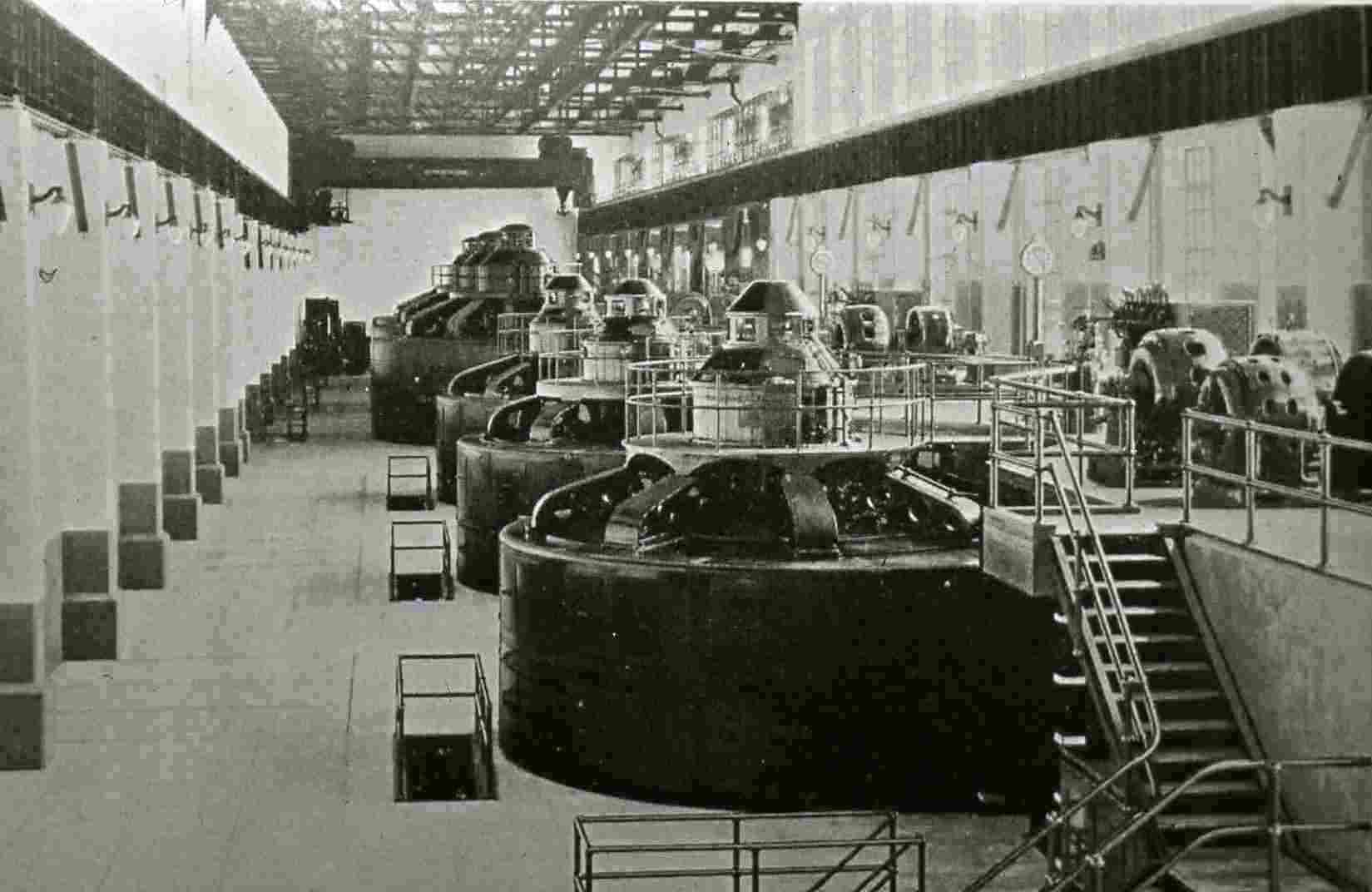
Electrical power
[pix] [pix]
Nuclear Power
"Service sector"
Interdependency
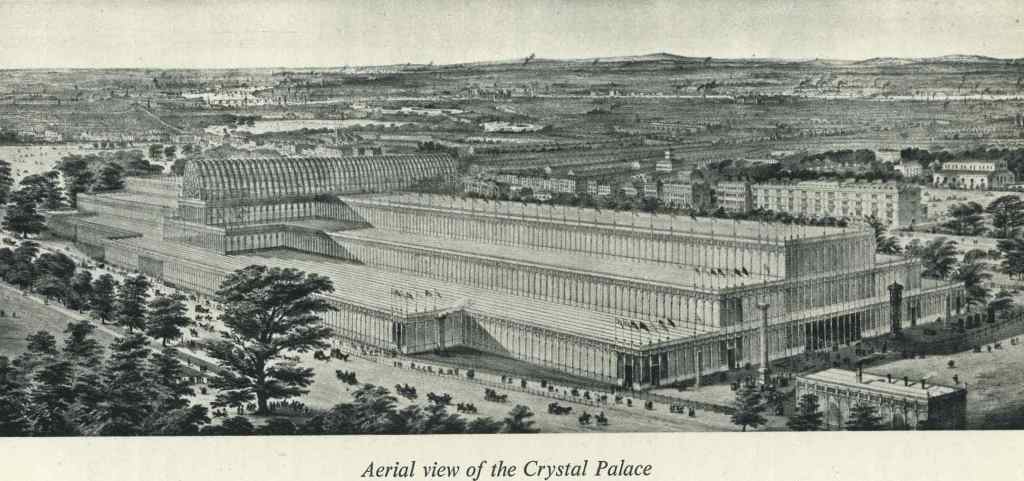
*1851:London the site of
the first world's fair, the great Crystal Palace Exhibition [ID]
[NEXT]
A display of great colonial wealth in
the East India Room [NEXT]
The grand interior hall [NEXT]
Military parade in front of Crystal
Palace [start LOOP again]
Globalization of industrializing
"imperialist" power =
*1866:Atlantic cable laid
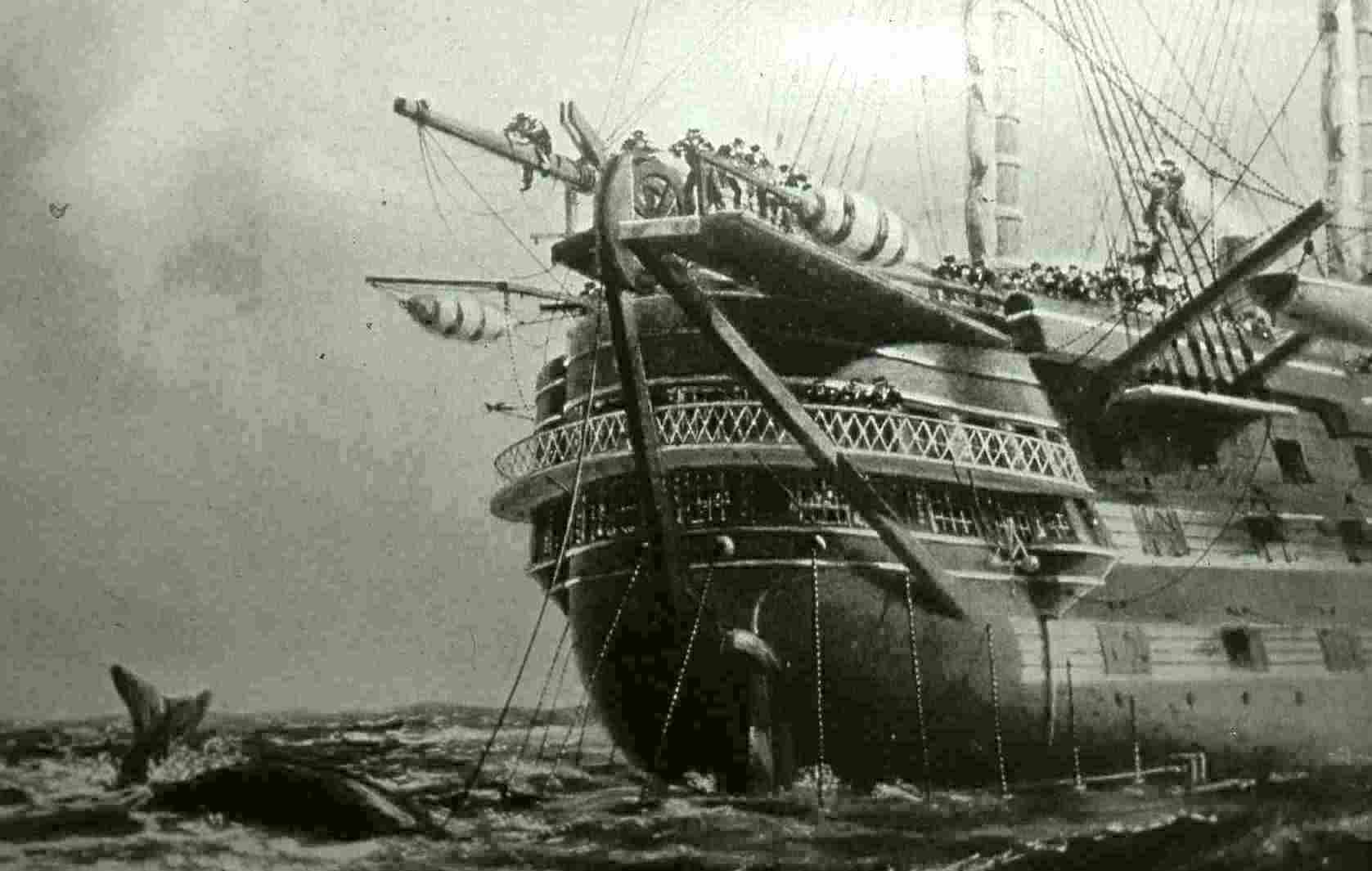
1880:Grain trade routes [compare
with a century later, 1978]
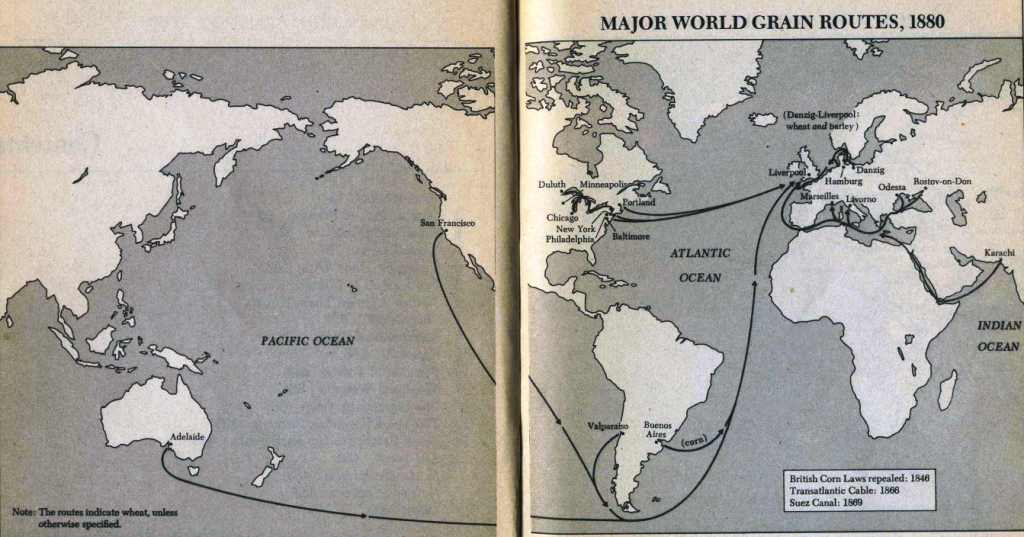
1978:Grain trade routes [compare
with a century earlier, 1880]
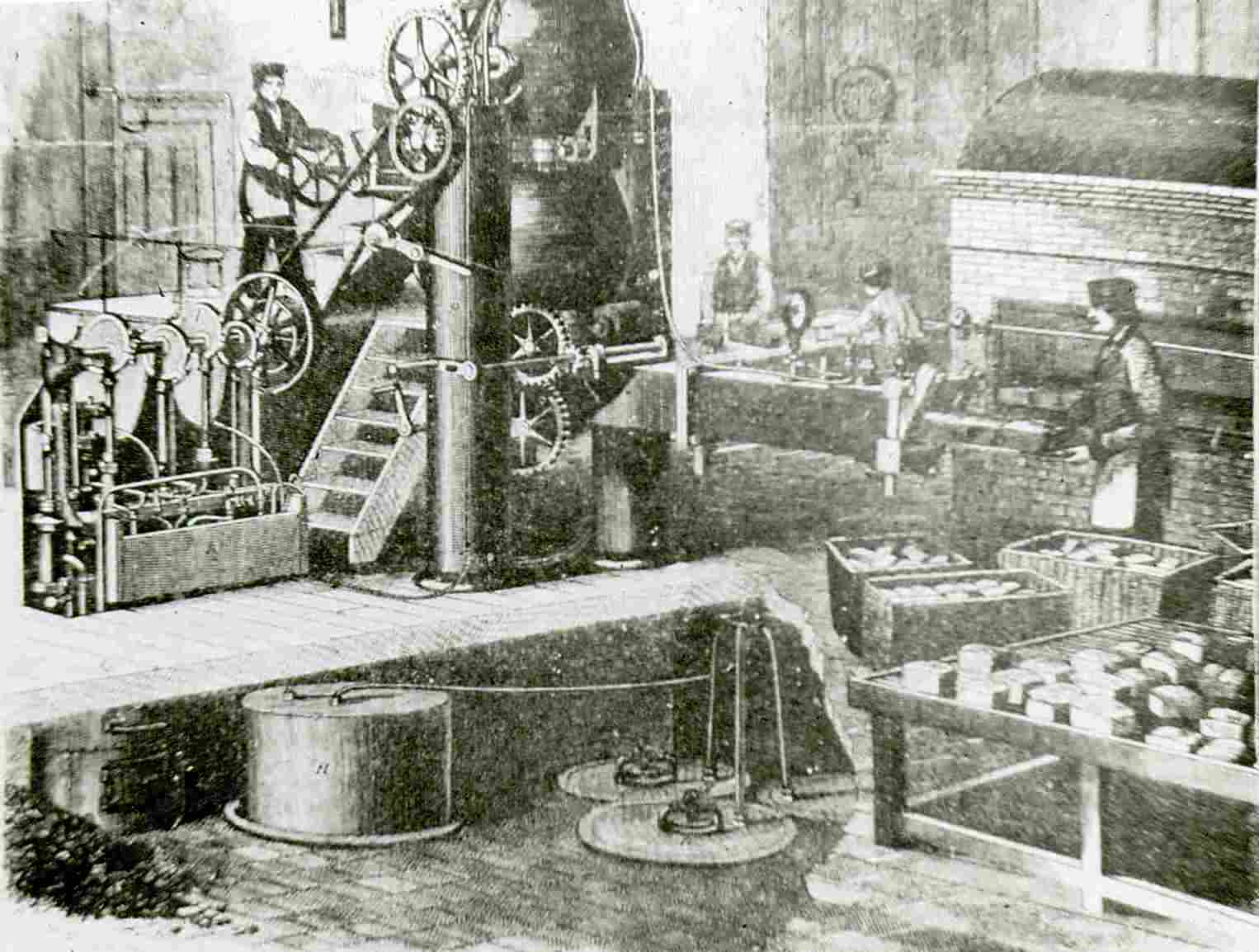
Nineteenth-century Boston bread Factory"
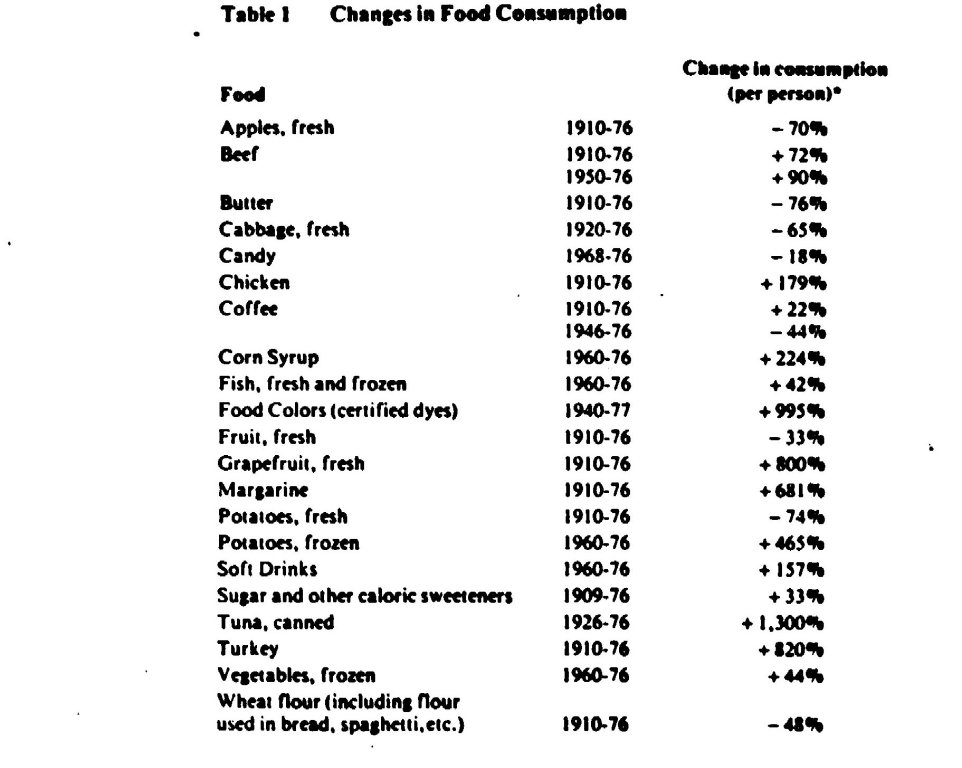
1910:1976; USA dietary changes in epoch of industrialization
*1981:World distribution of petroleum products
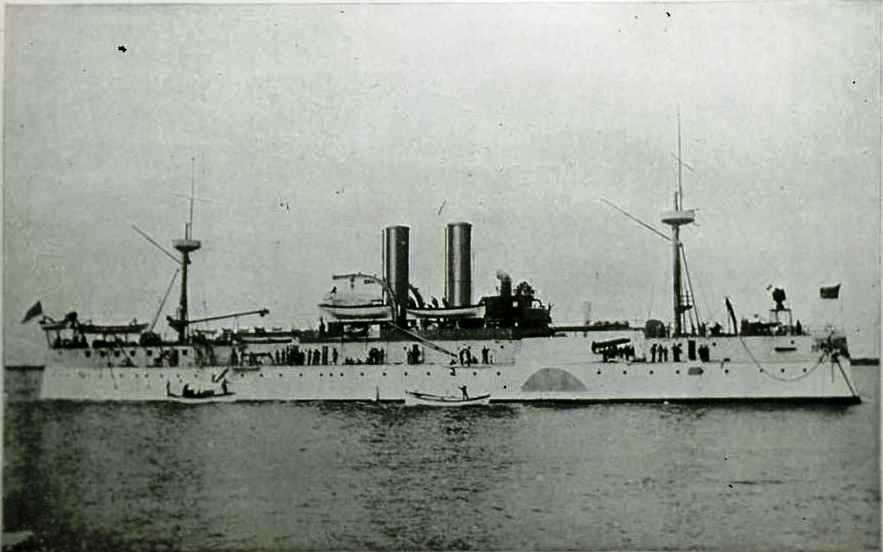
Military-Industrial Complexes
*1890s:US Battleship Maine
*1890s:US Naval Cruiser New York 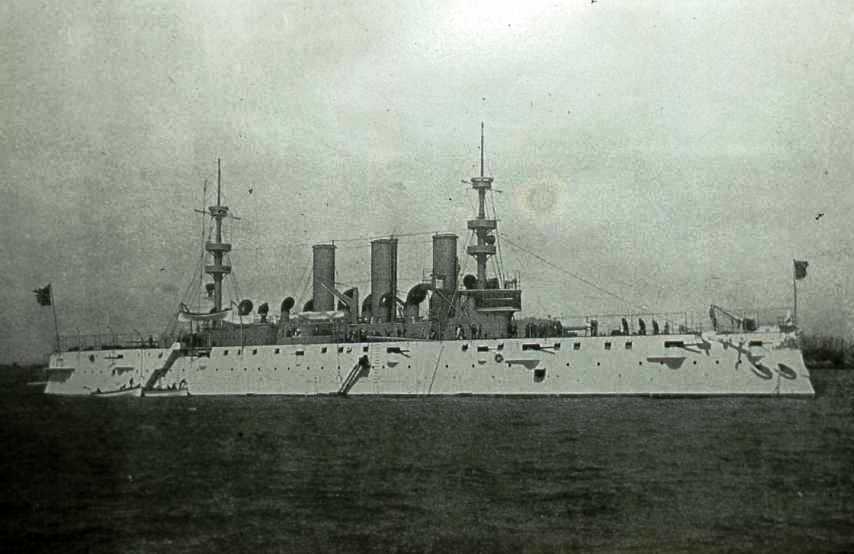
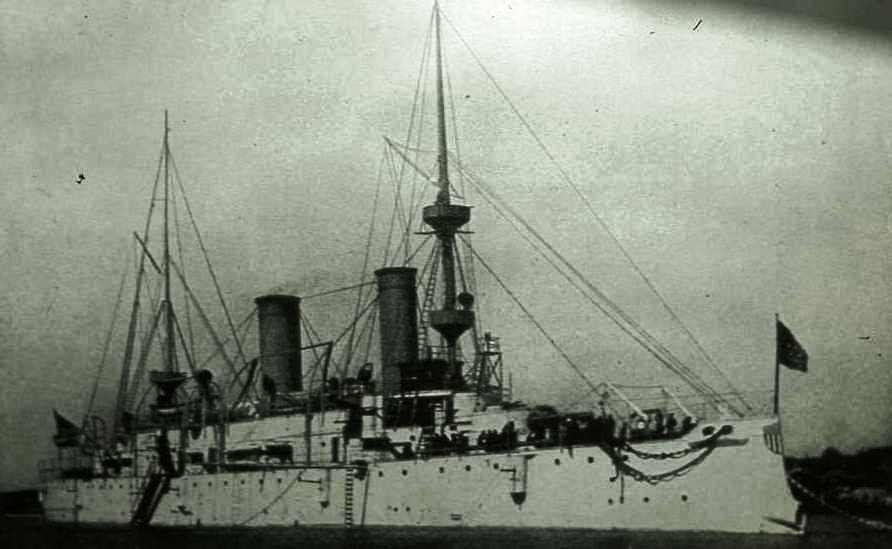
*1890s:US Naval Cruiser Olympia
Environmental challenge
|
|
|
|
|
|
|
|
|
|
|
|
|
![[MAP]](images/mfgR/skzR.ENG.enclosures.1700-1850-Conzen.jpg)